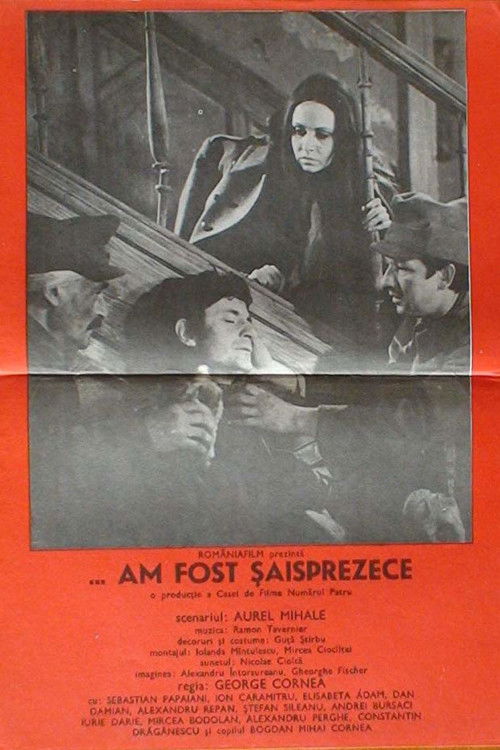
We Were Sixteen
1980
No user ratings available yet
Representation score: 4.7 out of 10
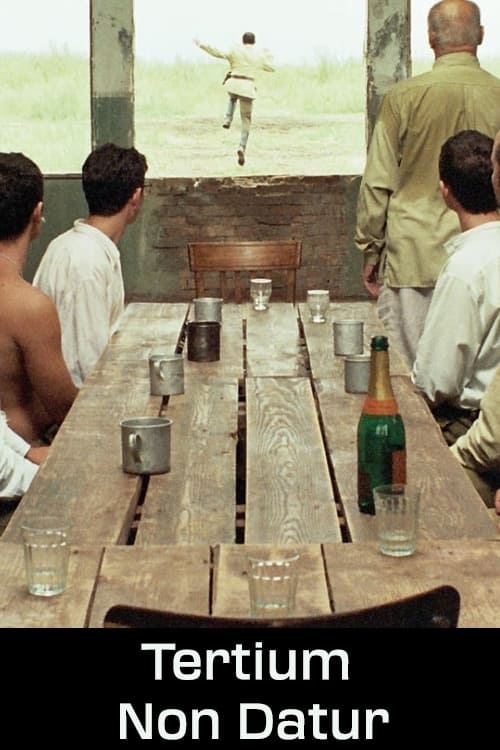
Representation Score
Fair
2006
Director
Lucian Pintilie
Runtime
39 minutes
Average Rating
No ratings yetNew Showbiz Analysis
Lucian Pintilie’s work avoids traditional heroic clichés, opting instead to deconstruct historical narratives through satire. The film focuses on the breakdown of hierarchy and the futility of military structures during the Axis retreat. While the film lacks modern identity-driven representation, it succeeds in subverting the orderly military epic by replacing grand heroism with a study of institutional erosion and the chaos of retreating forces. The narrative’s strength lies in its geopolitical nuance, utilizing the shifting tides of Eastern European power to challenge standard Western-centric war stories.
Category Breakdown
The film does not include any explicit LGBTQ+ narratives or characters with non-traditional gender identities. Although the chaotic military setting could potentially support unconventional relationships, there are no specific characters that explore these themes.
The film is set in a masculine-coded military environment during World War II. Any female characters are likely to play supporting roles that align with traditional gender norms of the time.
The story involves a diverse mix of ethnicities, including Romanian, German, and Soviet forces. This geopolitical complexity shifts away from a homogenous Western perspective by highlighting Eastern European combatants.
The film critiques the stability of institutional structures by focusing on the failure of military command. The abandoned school setting symbolizes the decay of organized societal structures during times of systemic collapse.
There is no information available regarding the portrayal of physical or neurodivergent disabilities within the narrative.
Present on Screen
Limited or Absent
Official Synopsis
In the Ukrainian steppe, toward the end of World War II, the German and Romanian troops are retreating in the face of the unstoppable Red Army. A Romanian military unit has set up its headquarters in a deserted school. A visit of high-ranking Wehrmacht officers is suddenly announced. Hope is awakened: will they receive new orders? But disappointment comes quickly.
1980
1957
2006
1959
1955
2014
1968
1967
No reviews yet. Be the first to share your thoughts on this movie!
Use the rating form above to leave a star rating and optional review.