Zoya
1944
No user ratings available yet
Representation score: 3.8 out of 10
Representation Score
Limited
1970
Director
Đorđe Kadijević
Runtime
77 minutes
Average Rating
No ratings yetNew Showbiz Analysis
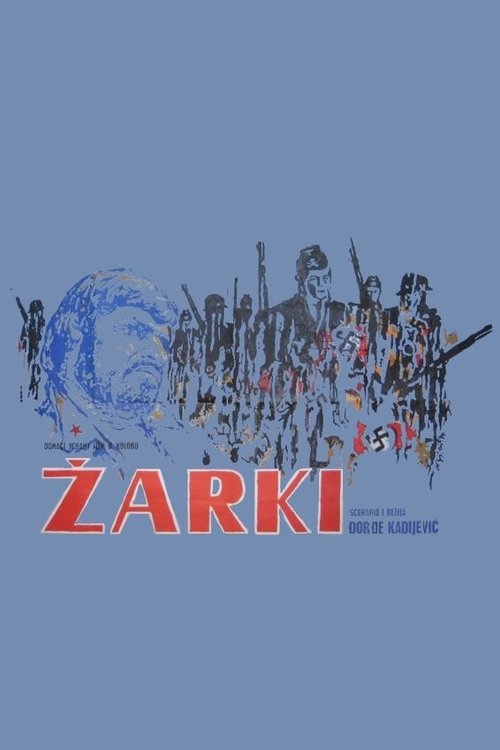
Žarki is a psychological exploration of resistance against occupying forces. The film focuses on maintaining personal identity and pride against a system designed to erase it. The protagonist's death symbolizes the subversion of imperial structures. The narrative is driven by the tension between the individual and systemic forces. Although the film excels in its cultural critique of institutional authority, it remains confined by traditional wartime gender roles.
Category Breakdown
The film does not include any LGBTQ+ characters or non-straight relationships. There are no specific character details related to sexual orientation.
The story revolves around a male partisan commander, adhering to traditional heroic clichés of wartime. It explores power through a masculine perspective of endurance and sacrifice.
The narrative portrays a conflict between local partisans and an occupying force. It highlights the ability to act of the local population in resisting an external, institutional power.
The film strongly critiques imperial institutions as oppressive. It presents the individual's moral integrity as superior to the established military order.
While the protagonist experiences severe physical trauma and torture, disability is not used as a central character trait or specific narrative device.
Present on Screen
Limited or Absent
Official Synopsis
In Vojvodina during the war, a partisan commander Zarki fell into the hands of the local Germans. They bound him in chains and take him from one village to another, torturing him in public so he could tell the names from his movement. Bewildered by his resisting power, the Germans tend to break him down and destroy the pride which is his answer to their torture. Frenzied of powerlessness, they ultimately choose the most horrifying death - they buried him alive in the sand that will cover the last trait of him, but he died victorious: He died for his thing.
1944
1957
1970

1969
1972
1965
1967
1972
No reviews yet. Be the first to share your thoughts on this movie!
Use the rating form above to leave a star rating and optional review.