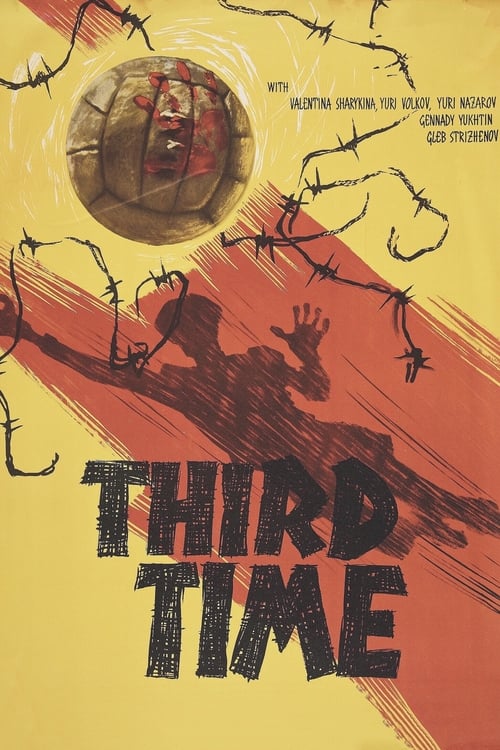
Third Time
1963
No user ratings available yet
Representation score: 6.2 out of 10
Representation Score
Excellent
1961
Director
Zoltán Fábri
Runtime
120 minutes
Average Rating
No ratings yetNew Showbiz Analysis
Zoltán Fábri’s drama is a sophisticated critique of systemic oppression. By using a soccer match as a symbolic medium, the film allows disenfranchised prisoners to assert control against a violent, dominant power structure. The film excels in its cultural critique, dismantling the morality of the Nazi regime through the lens of national identity and resistance. It goes beyond simple wartime heroism to examine the corruption of absolute authority. However, the film is limited by its traditional gendered setting. The focus on a male-dominated prisoner-versus-occupier dynamic results in a lack of diverse representation across gender and LGBTQ+ identities.
Category Breakdown
The film does not explicitly include LGBTQ+ characters or narratives. The storyline focuses on political resistance and survival in a prisoner environment.
The story centers on masculine-coded spaces of physical struggle and political action. Male characters are the primary drivers of the plot, highlighting the psychological toll of war.
The film critiques ethnic subjugation by focusing on Hungarian political prisoners during German occupation. It challenges Western wartime clichés by emphasizing a specific ethnic group.
The movie strongly criticizes Nazi institutions and state-sanctioned violence. It uses a sporting event to highlight the absurdity of celebrating tyranny and nationalism.
There are no specific details about neurodivergence or visible disabilities. However, the physical trauma experienced by the characters likely influences their story arcs.
Present on Screen
Limited or Absent
Official Synopsis
To celebrate Hitler's birthday, a soccer match is organised between the Germans and a group of Hungarian political prisoners, one of whom is a famous pre-war football star.
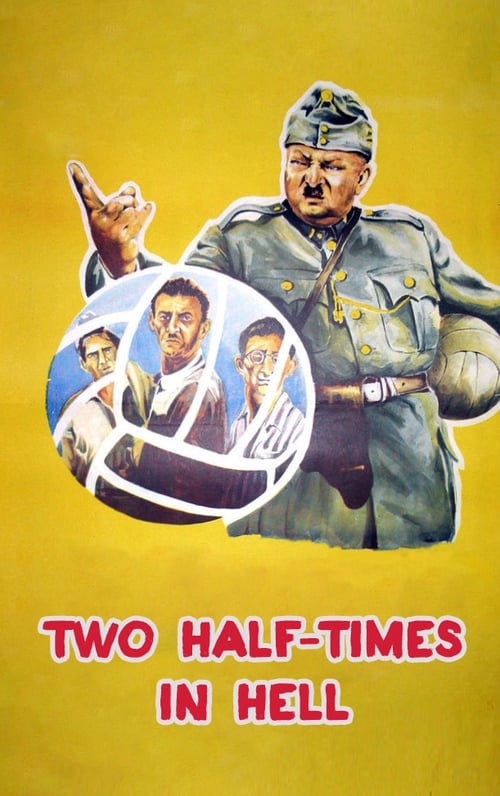
1963
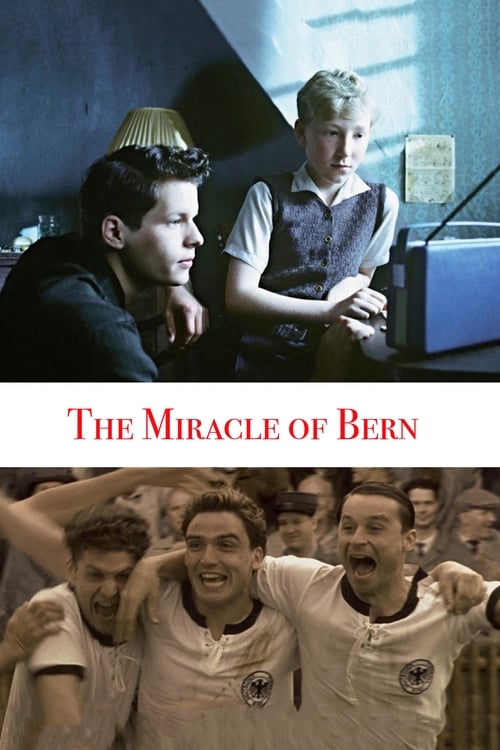
2003
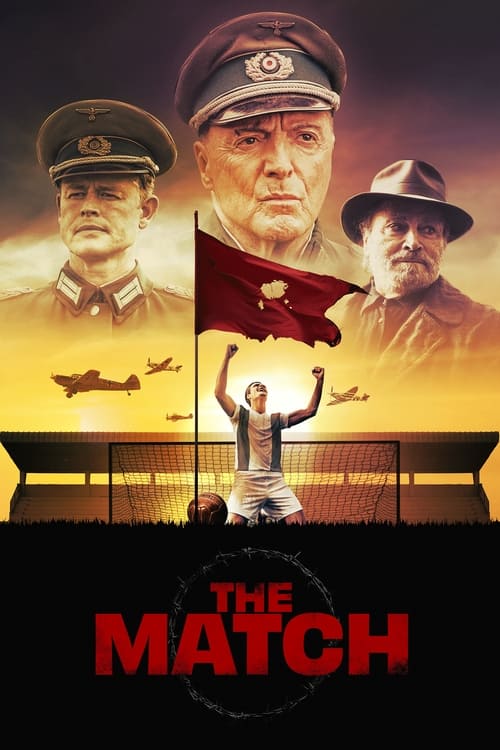
2021

1981
1981
2018
1980
1945
No reviews yet. Be the first to share your thoughts on this movie!
Use the rating form above to leave a star rating and optional review.