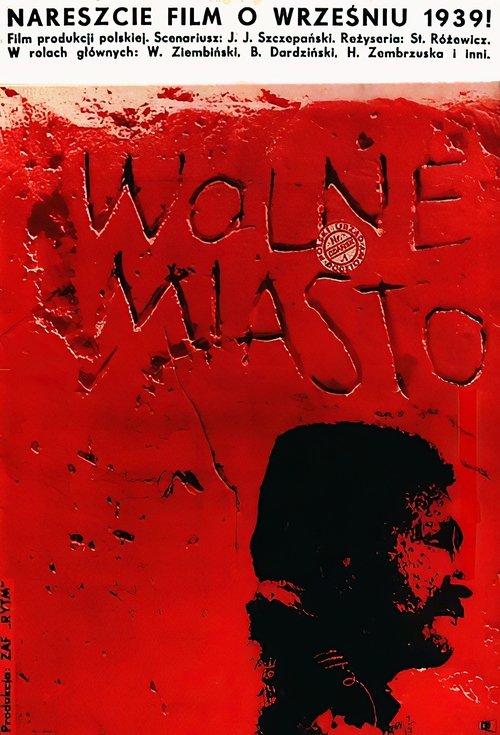
Free City
1958
No user ratings available yet
Representation score: 1.9 out of 10

Representation Score
Limited
1959
Director
Jerzy Passendorfer
Runtime
81 minutes
Average Rating
No ratings yetNew Showbiz Analysis
The film is a traditional historical war drama set within the context of Nazi occupation of Warsaw. It focuses on the tension between individual ability to act and systemic occupation. While the film lacks modern multi-layered complexity, it effectively challenges the legitimacy of the occupying regime. The narrative structure revolves around the moral necessity of defying an oppressive state. Ultimately, the film reflects the social structures and demographic realities of the late 1950s, prioritizing historical accuracy and military tension over diverse character representation.
Category Breakdown
The film focuses on a high-stakes military mission within a resistance group and does not include any visible presence of LGBTQ+ themes or non-cisgender identities.
The narrative emphasizes masculine-coded leadership and combat roles typical of 1950s war dramas. Although women played key roles in the Polish resistance, the film centers on traditional masculine archetypes of tactical command.
Set in occupied Warsaw, the cast is primarily Polish. The conflict highlights the ethnic and national tension between the Polish resistance and the German SS.
The story portrays the SS as an oppressive and corrupt institution. It frames the struggle against a dominant, unjust authority as the central moral driver of the narrative.
There is no documented evidence regarding the inclusion or portrayal of characters with physical or neurodivergent disabilities.
Present on Screen
Limited or Absent
Official Synopsis
Set in the occupied Warsaw, the film tells the story of the mission carried out by the student underground resistance group to execute the hated SS General Franz Kutchera.
1958

1957

1992

1966

1955

1943
1955
1961
No reviews yet. Be the first to share your thoughts on this movie!
Use the rating form above to leave a star rating and optional review.