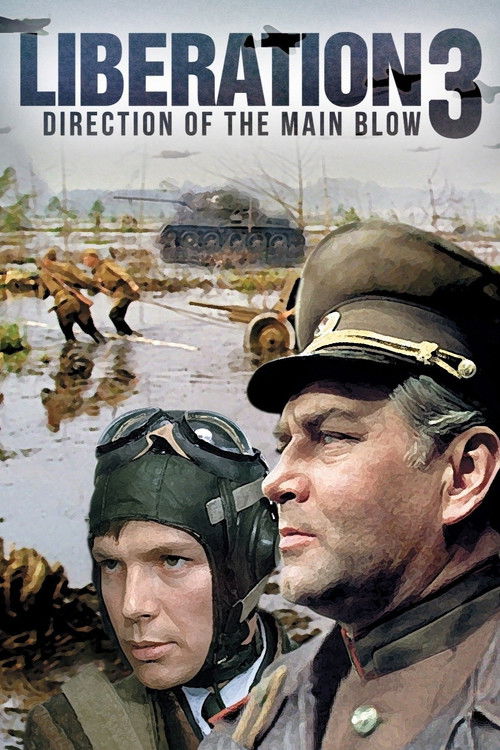
Liberation - Part 3 : Direction of the Main Blow
1971
No user ratings available yet
Diversity score: 5.0 out of 10
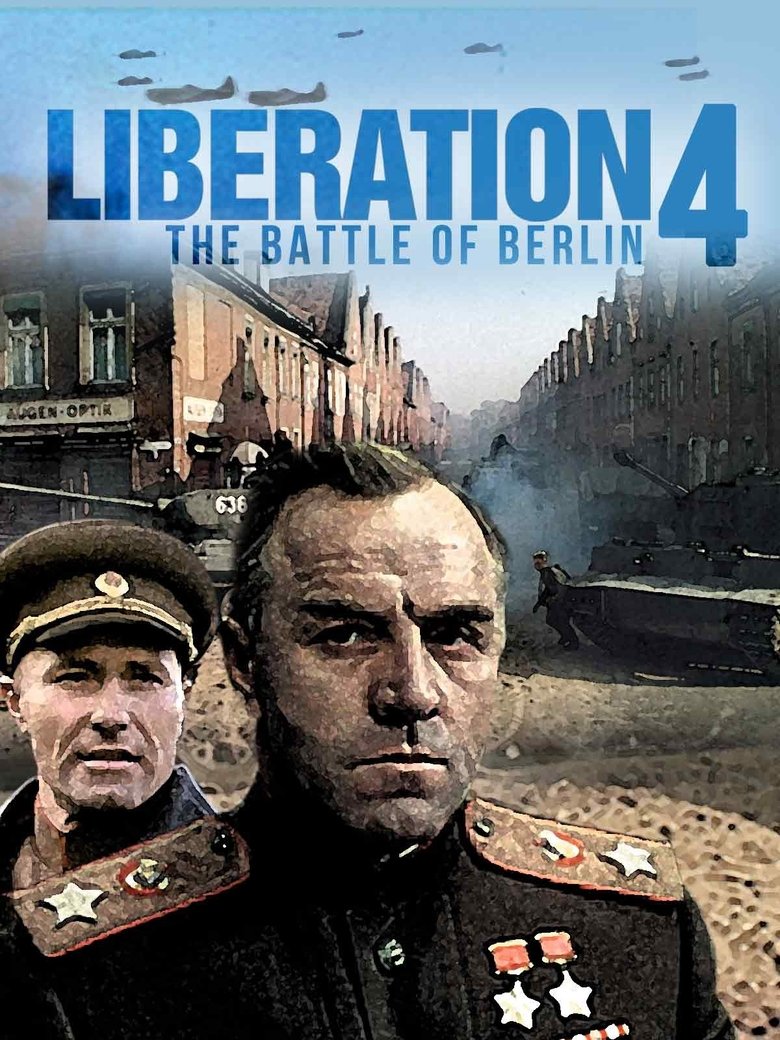
1971
Director
Yuri Ozerov
Runtime
79 minutes
Average Rating
No ratings yetSynopsis
In this the fourth episode, “Battle of Berlin,” the Soviets start their assault on Berlin, and Stalin negotiates with the other Allies.
Overall Score
Fair
Category Breakdown
LGBTQ+ Representation
The film adheres to the traditional heteronormative structures of mid-20th-century state-sanctioned cinema. There is no evidence of non-cisnormative gender identities or same-sex intimacy within the narrative.
Gender Representation
The narrative focuses almost exclusively on male-dominated military command and combat roles. Women appear primarily as nurses, civilians, or resistance members, serving as supporting elements to the central male-driven military machine.
Racial & Ethnic Diversity
The production avoids a monolithic portrayal by including soldiers of various Central Asian and Slavic identities. This reflects the multi-ethnic composition of the Soviet Union through the lens of collective military effort.
Religious & Cultural Diversity
The film centers the Soviet Union as the primary liberator of Europe, prioritizing a secular, state-driven morality. It frames the collapse of German institutions as a triumph of the Soviet ideological model.
Disability Representation
Disability is not a central thematic element. While wounded soldiers are depicted, these portrayals serve to illustrate the brutality of combat rather than exploring individual agency or neurodivergence.
Strengths
Areas for Improvement
AI Analysis
Yuri Ozerov’s epic focuses on the collective struggle of the Red Army rather than individual identity. The film succeeds in portraying a multi-ethnic Soviet force, moving beyond a monolithic view of the military through its inclusion of various Slavic and Central Asian identities. However, the work is deeply limited by its adherence to traditional hierarchies. Gender representation is narrow, relegating women to supporting roles, and there is a total absence of LGBTQ+ identities. The film prioritizes state-driven ideological victory over personal or intersectional depth. Ultimately, the film's strength lies in its cultural perspective, challenging Western-centric historical narratives. It presents a specific, anti-capitalist worldview that emphasizes state unity and the socialist-aligned reality emerging from the conflict.
1971
1971
1970
1953
1960
1967
1960
1982
1975
1974
1975

1984
No reviews yet. Be the first to share your thoughts on this movie!
Use the rating form above to leave a star rating and optional review.