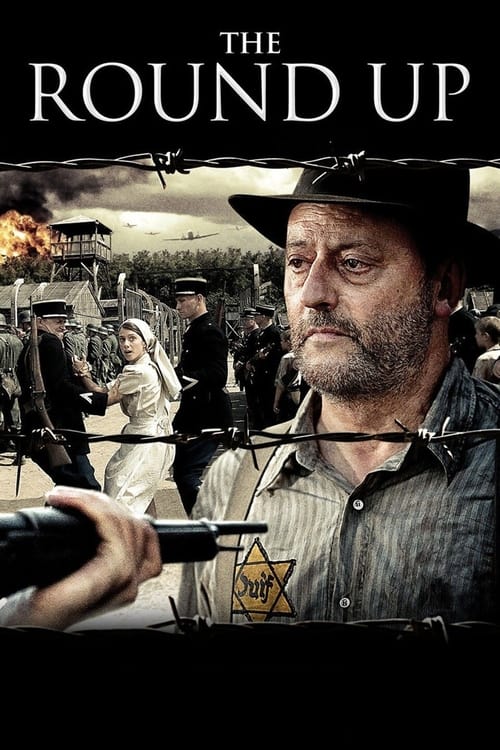
The Round Up
2010
No user ratings available yet
Diversity score: 6.1 out of 10

1966
Director
Miklós Jancsó
Runtime
91 minutes
Average Rating
No ratings yetSynopsis
After the failure of the Kossuth's revolution of 1848, people suspected of supporting the revolution are sent to prison camps. Years later, partisans led by outlaw Sándor Rózsa still run rampant. Although the authorities do not know the identities of the partisans, they round up suspects and try to root them out by any means necessary.
Overall Score
Fair
Category Breakdown
LGBTQ+ Representation
The film operates within a traditional heteronormative framework. There is no evidence of non-cisnormative identities or narratives addressing queer existence.
Gender Representation
The narrative adheres to a rigid, male-centric hierarchy focused on military structures. Women appear primarily as passive subjects or members of the peasantry.
Racial & Ethnic Diversity
The cast is ethnically homogeneous, reflecting the 1848 Hungarian setting. However, the struggle against imperial power provides a subtextual exploration of ethnic identity.
Religious & Cultural Diversity
Jancsó excels in critiquing institutional power through moral relativism. The film portrays political institutions and 'righteous' authority as inherently corrupt and cyclical.
Disability Representation
There is no significant evidence of characters with visible or invisible disabilities being utilized as central plot devices.
Strengths
Areas for Improvement
AI Analysis
The Round-Up is a historical drama that prioritizes systemic critique over individual character studies. Its demographic diversity is limited by its 19th-century Hungarian setting, resulting in low scores for gender and LGBTQ+ representation. However, the film achieves high marks for cultural representation. It avoids simple heroic tropes, instead offering a sophisticated deconstruction of how revolutionary movements can mirror the oppressive structures they seek to replace. Ultimately, the film's strength lies in its intellectual engagement with power dynamics rather than its breadth of human identity representation.
2010
1997
2011
1976

1958
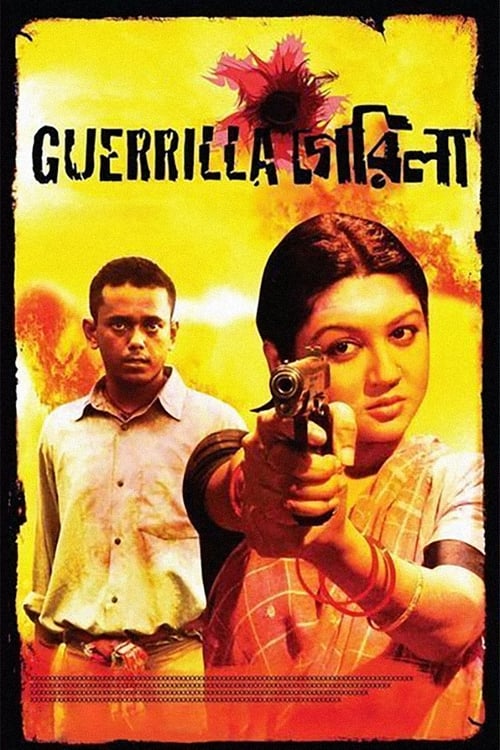
2011
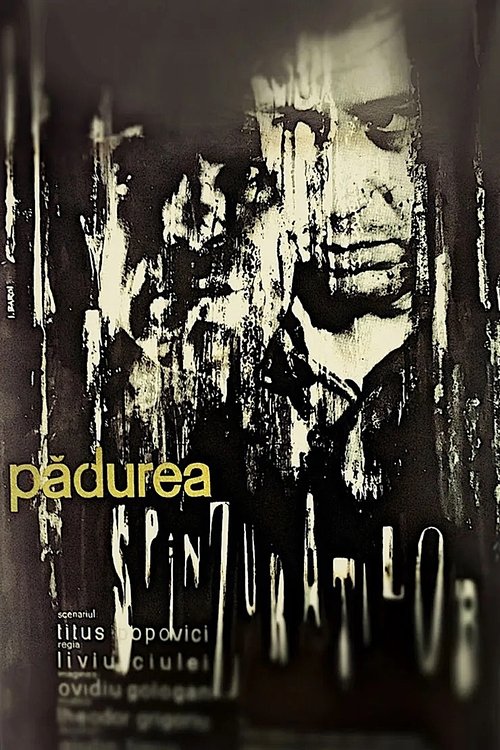
1965
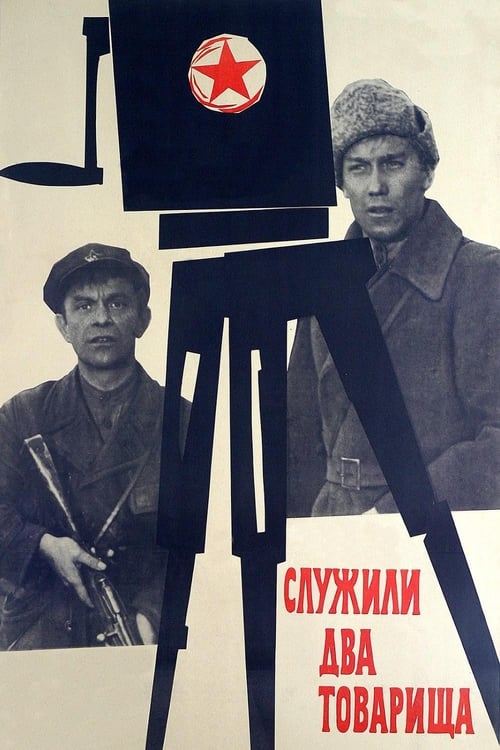
1968
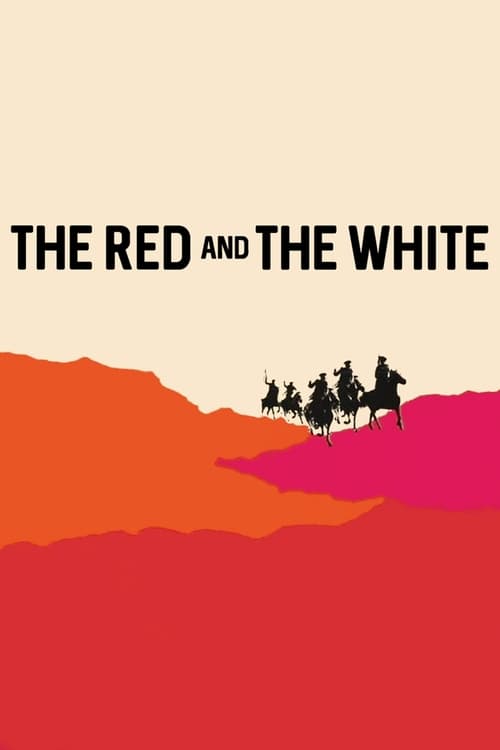
1967
1969
1972
1969
No reviews yet. Be the first to share your thoughts on this movie!
Use the rating form above to leave a star rating and optional review.