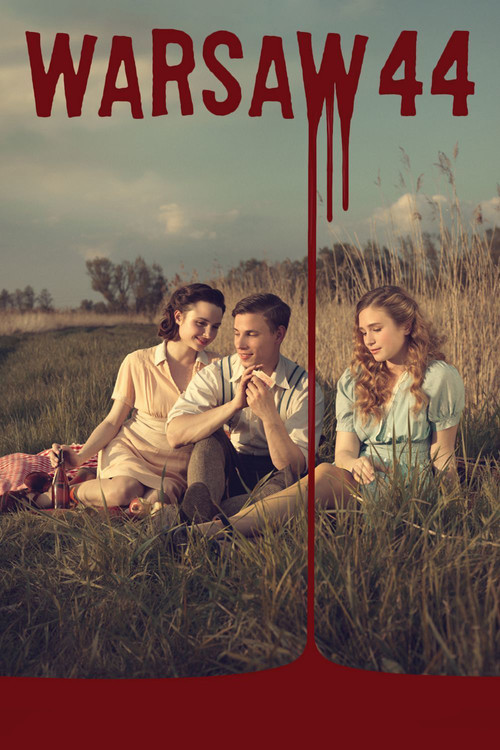
Warsaw 44
2014
No user ratings available yet
Representation score: 6.4 out of 10
Representation Score
Good
2011
Director
Petr Nikolaev
Runtime
126 minutes
Average Rating
No ratings yetNew Showbiz Analysis
The film presents a somber historical tragedy rather than a modern exploration of identity politics. Its strength lies in its refusal to follow traditional heroic hierarchies, opting instead for a victim-centered perspective that highlights the ability to act of a underrepresented national group. While the film is contextually accurate to its 1941 setting, it lacks representation for LGBTQ+ identities and provides little nuance regarding disability. The focus remains strictly on the systemic trauma of the Czech people under Nazi occupation. Ultimately, the film's value is found in its deconstruction of state-sponsored violence and its portrayal of the domestic and cultural struggle of a community fighting for survival against an overwhelming, institutionalized terror.
Category Breakdown
The film focuses on the geopolitical catastrophe of the Nazi occupation and does not include any LGBTQ+ characters or narratives addressing non-straight relationships.
The narrative challenges traditional war stories by centering on the domestic devastation caused by war. Female characters play a significant role in navigating survival and loss amid systemic terror.
The cast is mainly composed of Central Europeans, reflecting the 1941 setting. It avoids whitewashing by highlighting the specific ethnic identity of the Czech people against their oppressors.
The film critiques totalitarianism by showing the Nazi regime as inherently corrupt. It emphasizes the survival of the community over the mandates of an oppressive state.
Physical trauma and injuries are used as markers of war's brutality. These portrayals function as plot devices to highlight the cruelty of the antagonists, lacking nuanced exploration of disability.
Present on Screen
Limited or Absent
Official Synopsis
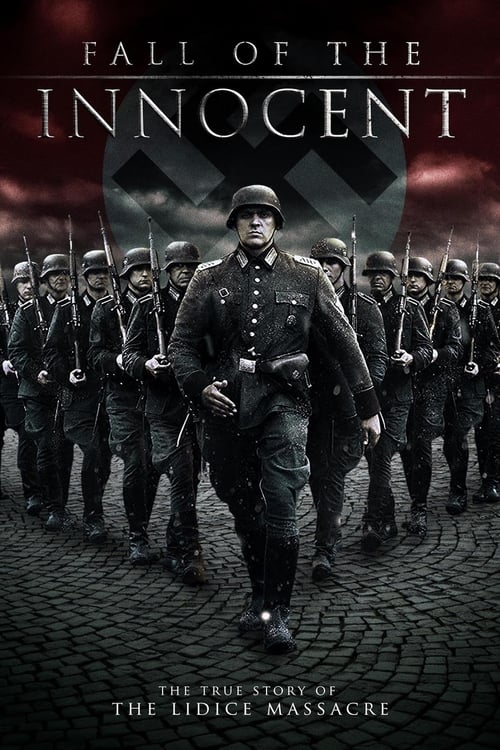
Czechoslovakia, 1941. As the war continues, Reich Protector Reinhard Heydrich arrives in Nazi-occupied Prague and establishes a regime of terror that will force freedom fighters to act. But the price to pay will be too high.
2014

1943
2004
2009

2008
2017
1973
2016
No reviews yet. Be the first to share your thoughts on this movie!
Use the rating form above to leave a star rating and optional review.