Hungarian Rhapsody
1979
No user ratings available yet
Representation score: 3.3 out of 10
Representation Score
Fair
1972
Director
Miklós Jancsó
Runtime
86 minutes
Average Rating
No ratings yetNew Showbiz Analysis
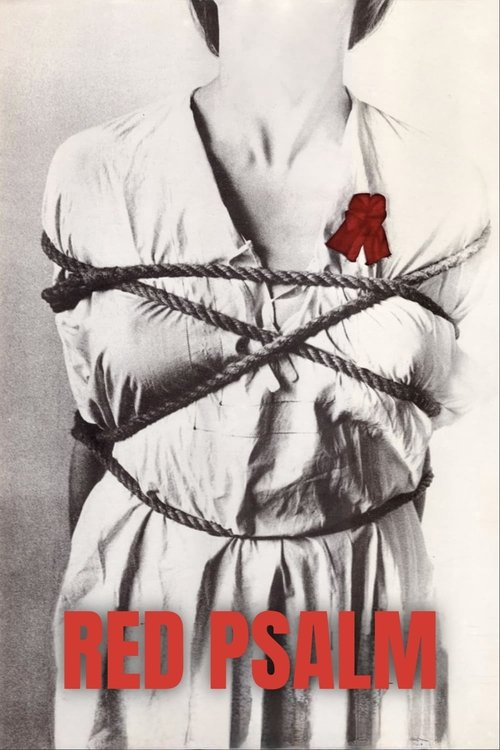
Red Psalm is a stylized look at power and collective action set in the Hungarian plains. Its strength lies in its critique of Western institutions and capitalist exploitation. However, the film focuses mainly on class struggle and doesn't represent LGBTQ+ identities, diverse gender roles, or disabilities. While it excels at studying the cultural identity of a specific class, it remains ethnically uniform. The film works more as a ritualistic study of social revolt than a diverse character-driven story.
Category Breakdown
The film focuses almost exclusively on the collective experience of the agrarian working class. There are no LGBTQ+ characters or stories about non-straight identities.
The story follows traditional gender roles from the 1890s. It doesn't challenge traditional ideas about masculinity and femininity.
The cast is mostly made up of one ethnic group representing the Hungarian plains. It explores the cultural identity and class struggles of this specific community.
The film offers a strong critique of capitalism and power structures. It uses rituals and group actions to challenge traditional social orders and the exploitation of peasants.
There are no significant depictions of disability. Characters are defined by their socioeconomic status rather than any physical or mental conditions.
Present on Screen
Limited or Absent
Official Synopsis
Set in the 1890s on the Hungarian plains, a group of farm workers go on strike in which they face harsh reprisals and the reality of revolt, oppression, morality and violence.
1979
1925

1971
1988
1968
1967
1966
1979
No reviews yet. Be the first to share your thoughts on this movie!
Use the rating form above to leave a star rating and optional review.