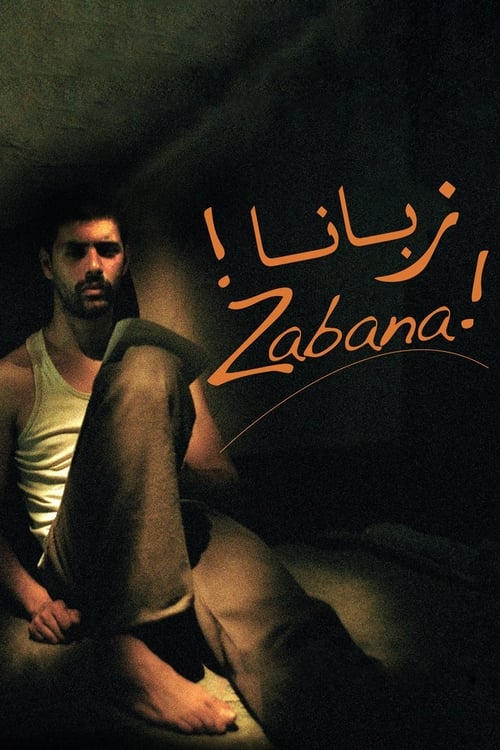
Zabana!
2012
No user ratings available yet
Representation score: 4.0 out of 10

Representation Score
Fair
1958
Director
Youssef Chahine
Runtime
123 minutes
Average Rating
No ratings yetNew Showbiz Analysis
Youssef Chahine’s drama is a powerful post-colonial critique that centers the Algerian struggle for independence. By focusing on Jamila’s transition from a student to a revolutionary, the film challenges traditional gender roles in historical cinema. The film excels at dismantling the myth of the 'civilizing mission,' instead portraying the colonial administration as a corrupt and violent force. It successfully places indigenous ability to act at the heart of the historical narrative. While the film is a landmark for racial and cultural representation, it lacks engagement with LGBTQ+ identities or disability representation, remaining strictly focused on the nationalist struggle.
Category Breakdown
The film focuses on gender and nationalism within a colonial framework. There is no evidence of queer subtext or non-cisgender identities.
Jamila disrupts traditional hierarchies by centering her political role over domesticity. She evolves from a passive observer into an active participant in guerrilla resistance.
This seminal work prioritizes the Algerian experience against French occupation. It centers the non-Western subject through the reclamation of indigenous identity.
The narrative functions as a critique of Western imperial institutions. It frames the resistance as a necessary response to an oppressive colonial apparatus.
There are no prominent depictions of physical or neurodivergent disabilities that serve as central narrative drivers in this work.
Present on Screen
Limited or Absent
Official Synopsis
Djamila, a young Algerian woman living with her brother Hadi and her uncle Mustafa in the Casbah district of Algiers under the French occupation of Algeria, sees the full extent of injustice, tyranny and cruelty on his compatriots by French soldiers. Jamila's nationalist spirit will be strengthened when French forces invade her university to arrest her classmate Amina who commits suicide by ingesting poison. Shortly after the prominent Algerian guerrilla leader Youssef takes refuge with her, she realizes that her uncle Mustafa is part of this network of anti-colonial rebel fighters. Her uncle linked her to the National Liberation Front (FLN). A series of events illustrate Jamila's participation in resistance operations against the occupier before she was finally captured and tortured. Finally, despite the efforts of her French lawyer, Jamila is sentenced to death...
2012

2014
2011
1966
2007
1981
2006
1995
No reviews yet. Be the first to share your thoughts on this movie!
Use the rating form above to leave a star rating and optional review.