
Jamila, the Algerian
1958
No user ratings available yet
Representation score: 5.0 out of 10
Representation Score
Excellent
2011
Director
Nasiruddin Yousuff
Runtime
142 minutes
Average Rating
No ratings yetNew Showbiz Analysis
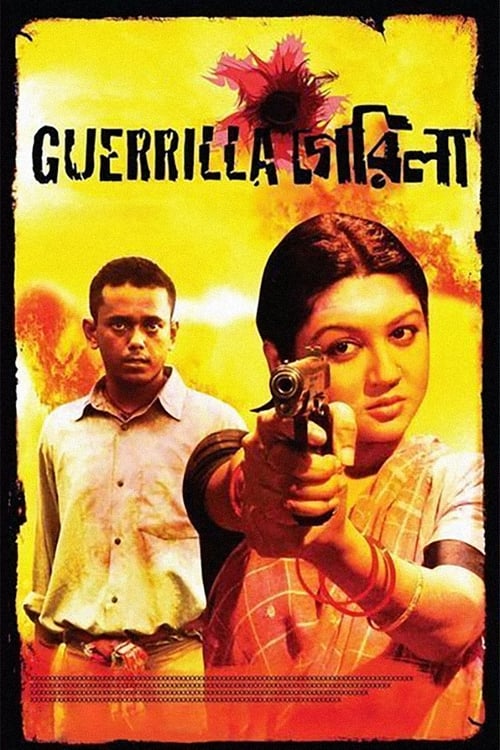
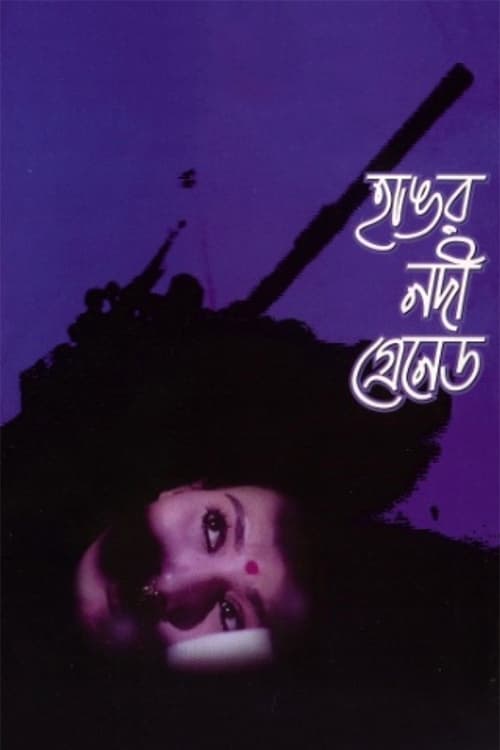
Guerrilla is a historical drama that succeeds in centering Bengali identity and women's ability to drive the story during the fsp 1971 Bangladesh Liberation War. By focusing on Bilkis Banu's journey through urban guerrilla movements, the film avoids typical male-centric war clichés. The film excels at providing a non-Western perspective, challenging Anglo-centric historical narratives through its authentic cultural setting. It portrays resistance against systemic oppression as a core thematic element. However, the film lacks representation for LGBTQ+ identities and characters with disabilities. The narrative remains strictly focused on the nationalist struggle and the physical traumas of war.
Category Breakdown
The film focuses on geopolitical and nationalist struggles rather than LGBTQ+ identities. There are no explicit depictions of LGBTQ+ characters.
Bilkis Banu serves as a central protagonist who play a significant role in driving the story. She navigates high-stakes political landscapes and urban insurgency, challenging traditional male-dominated war narratives.
The story centers on the specific ethnic identity of the Bengali people. It provides an authentic, non-Western perspective by documenting a localized struggle for sovereignty.
The narrative emphasizes anti-colonialism and resistance against oppressive systemic structures. It frames national liberation as a necessary disruption of corrupt, institutional power.
There is no explicit evidence of characters with visible or invisible disabilities. The film focuses on war trauma rather than disability as a lens for character development.
Present on Screen
Limited or Absent
Official Synopsis
Bilkis Banu lost her husband Hasan on the night of 25th March 1971. She tries to forget him and concentrate on the urban guerrilla movements of Dhaka with Altaf Mahmud, Shahadat, Mrs Khan and many more. But when spies and the razakars inform them, most of their people get arrested and Bilkis has to run for her life, towards her village.
1958
2009
2005
2006

2021
2012
1997
2011
No reviews yet. Be the first to share your thoughts on this movie!
Use the rating form above to leave a star rating and optional review.