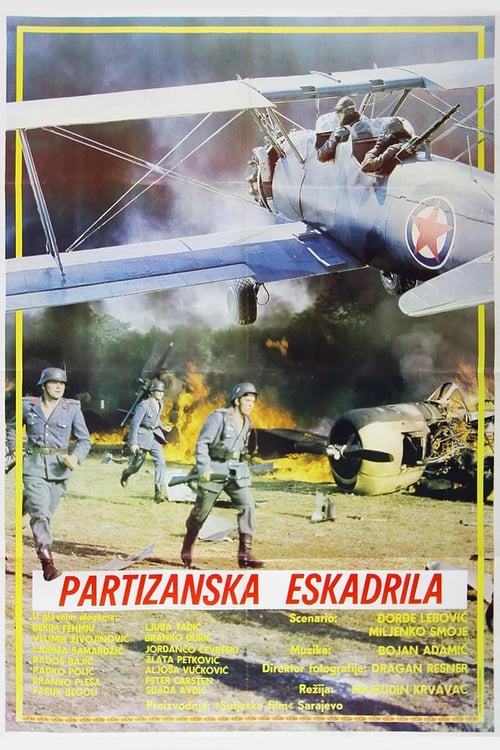
The Battle of the Eagles
1979
No user ratings available yet
Representation score: 7.8 out of 10
Representation Score
Good
1976
Director
Zdravko Velimirović
Runtime
106 minutes
Average Rating
No ratings yetNew Showbiz Analysis
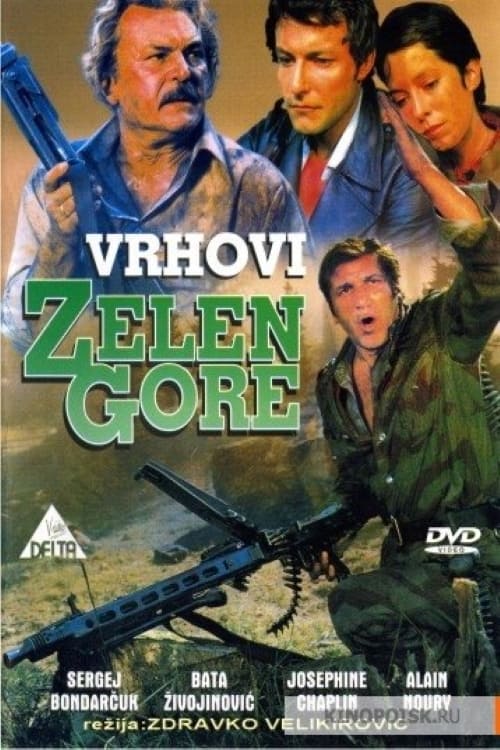
The Peaks of Zelengore serves as a study of collective resistance, emphasizing multi-ethnic solidarity and anti-fascist morality over individual heroics. It successfully disrupts traditional power structures by framing the struggle as a communal effort against an oppressive occupying force. However, the film lacks modern identity markers, particularly regarding LGBTQ+ representation. While it provides ability to act to women and acknowledges the vulnerability of the wounded, these elements are tied to wartime necessity rather than diverse identity exploration. Ultimately, the film's strength lies in its portrayal of a diverse coalition working toward systemic change, even if it remains limited by the conventions of 1970s war cinema.
Category Breakdown
The film does not include explicit LGBTQ+ characters or explore non-straight relationships. It focuses on wartime camaraderie and survival rather than sexual orientation.
Women in this film take on active combat and logistical roles rather than domestic ones. The movie highlights their roles as fighters and medics within the partisan movement.
The story showcases the multi-ethnic makeup of the Yugoslav Partisan movement. It prioritizes a shared revolutionary identity over ethnic hierarchies.
The narrative critiques imperial structures by focusing on anti-fascist resistance. It emphasizes communal resilience and a morality that challenges traditional nationalist or religious frameworks.
The presence of the wounded soldiers is a central theme. This highlights physical vulnerability as an essential part of the human experience during wartime.
Present on Screen
Limited or Absent
Official Synopsis
During the Battle of Sutjeska, partisan troops must endure 24 hours of big and heavy attacks on German units Ljubino grave, to the main Partisan units, with the wounded and the Supreme Headquarters, pulled out the ring that is tightened around them.
1979
1972
1943
1996
1958
1973
2020
1970
No reviews yet. Be the first to share your thoughts on this movie!
Use the rating form above to leave a star rating and optional review.