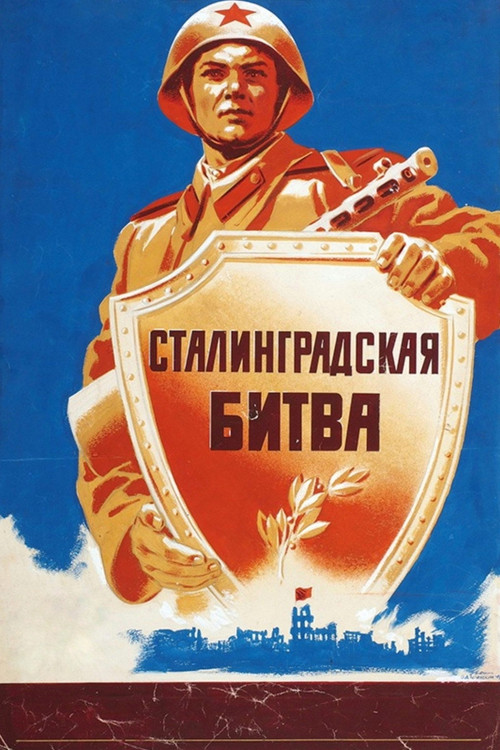
The Battle of Stalingrad
1949
No user ratings available yet
Representation score: 3.5 out of 10
Representation Score
Limited
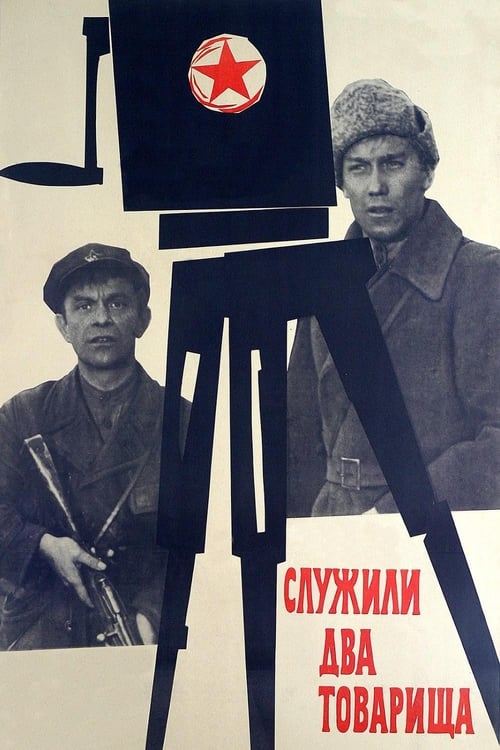
1968
Director
Yevgeni Karelov
Runtime
99 minutes
Average Rating
No ratings yetNew Showbiz Analysis
Two Comrades Were Serving is a product of Soviet Socialist Realism, designed to reinforce collective identity and state-sanctioned heroism. It functions as a tool for state-driven identity rather than exploring individualistic or underrepresented group empowerment. The film excels in its structural critique of traditional Western-aligned institutions and capitalist frameworks. However, it remains deeply traditional in its gender dynamics and lacks characters who reflect more than one aspect of diversity. Ultimately, the work prioritizes the heroic mythos of the working class and the Red Army, leaving little room for diverse or non-normative perspectives.
Category Breakdown
The film does not depict any non-straight relationships or queer narratives. Character interactions are centered around traditional male camaraderie and combat experiences.
The story focuses heavily on the male experience of war. Men are portrayed as the primary drivers of history, while women are shown in supportive, domestic, or auxiliary roles.
The cast reflects the ethnic makeup of the Soviet military, presenting a relatively uniform depiction of the working class. It offers a standardized view of Soviet citizens.
The film emphasizes collectivist morality over individualist views by highlighting the Red Army's struggle. It challenges the White Guard myth and upholds a secular, state-focused perspective.
There are no characters with visible or hidden disabilities who play significant roles. Physical injuries serve mainly as plot devices to emphasize sacrifice during wartime.
Present on Screen
Limited or Absent
Official Synopsis
Set during the last days of the civil war that followed the Russian Revolution. The Crimea Peninsula is the last stronghold of the White Guard, and the Red Army is planning the final assault. The first story line of the movie follows two Red Army soldiers: unlikely friends Nekrasov and Karyakin. The second story line is about a White Guard officer Brusentsov who is devoted to Russia and his cause but sees it being destroyed day by day.
1949
1959
1957

1969
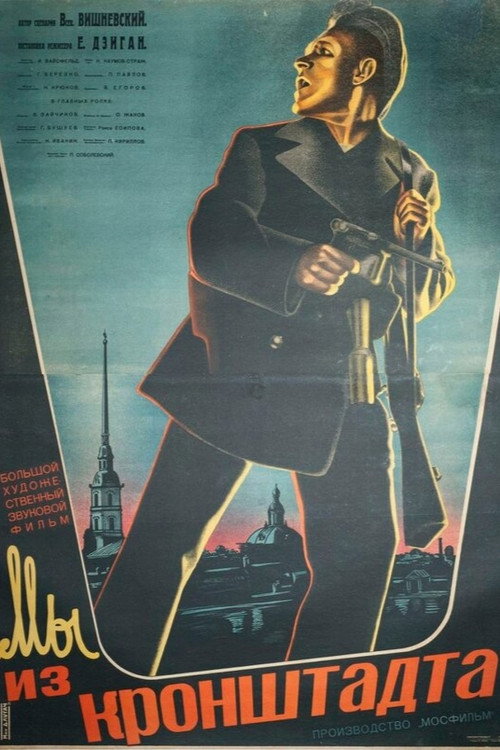
1936
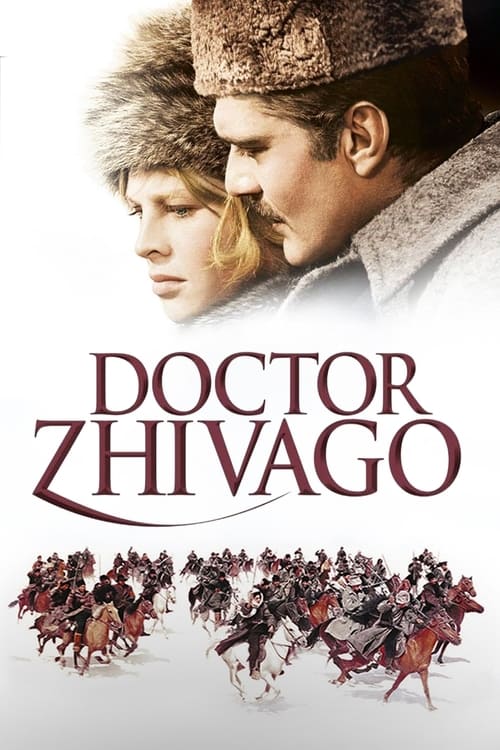
1965
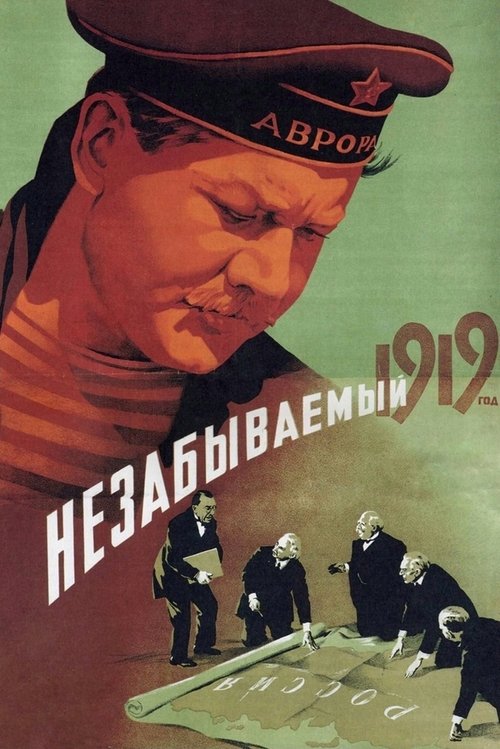
1951
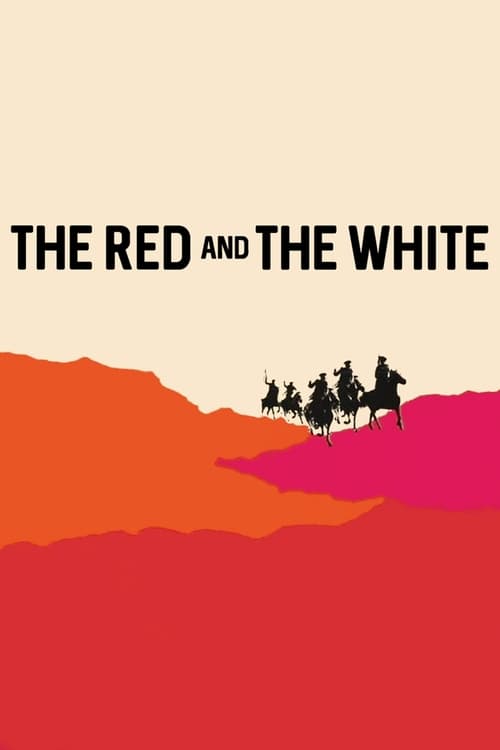
1967
No reviews yet. Be the first to share your thoughts on this movie!
Use the rating form above to leave a star rating and optional review.