An Unforgettable Summer
1994
No user ratings available yet
Representation score: 4.0 out of 10
Representation Score
Fair
1965
Director
Liviu Ciulei
Runtime
165 minutes
Average Rating
No ratings yetNew Showbiz Analysis
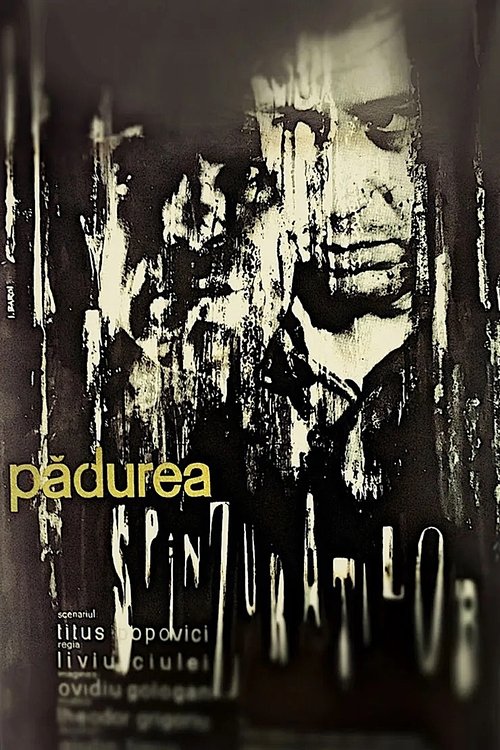
Forest of the Hanged is a profound study of existential crisis set during World War I. While it lacks demographic breadth in terms of gender and LGBTQ+ representation, it offers a sophisticated critique of institutional power. The film's strength lies in its cultural depth and historical authenticity. It avoids the clichés of imperial glorification, instead focusing on the moral erosion caused by state-mandated loyalty. However, the narrow focus on a masculine, military environment limits its diversity. The narrative prioritizes the psychological struggle of the soldier, leaving little room for diverse identities or women's roles.
Category Breakdown
The film focuses solely on straight relationships and does not include any LGBTQ+ narratives or non-cisgender identities.
The environment is dominated by men, reflecting the historical reality of a military setting. This lack of women's roles results in limited gender diversity.
The film maintains historical accuracy with a predominantly Romanian cast, avoiding whitewashing by highlighting the protagonist's ethnic identity within the Habsburg Empire's context.
The narrative critiques traditional Western institutions as dehumanizing forces, prioritizing a critique of political structures over nationalistic glorification.
There is no significant depiction of characters with visible or invisible disabilities. The focus remains on the psychological states of able-bodied soldiers and prisoners.
Present on Screen
Limited or Absent
Official Synopsis
In 1916 as an officer in the Habsburg Army ethnic Romanian Apostol Bologa is torn between remaining loyal to the Habsburgs or deserting to the Romanian Army across enemy lines.
1994
1954
1964
1958

1980

1970

2001
2011
No reviews yet. Be the first to share your thoughts on this movie!
Use the rating form above to leave a star rating and optional review.