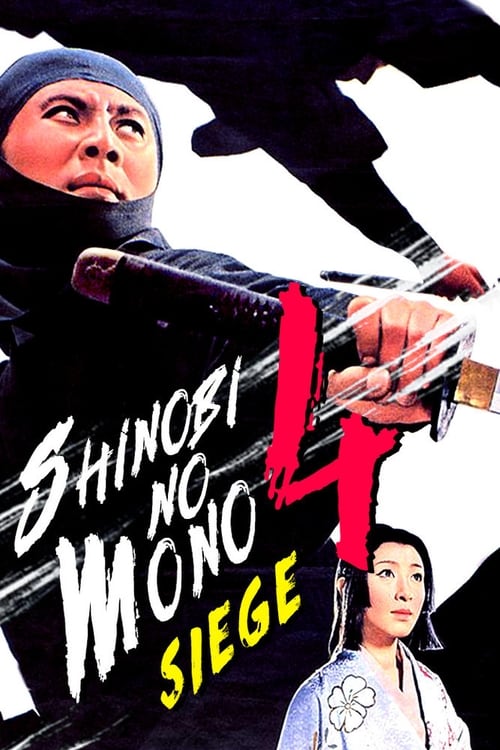
Shinobi no Mono 4: Siege
1964
No user ratings available yet
Representation score: 2.4 out of 10
Representation Score
Limited
1961
Director
Hiroshi Inagaki
Runtime
95 minutes
Average Rating
No ratings yetNew Showbiz Analysis
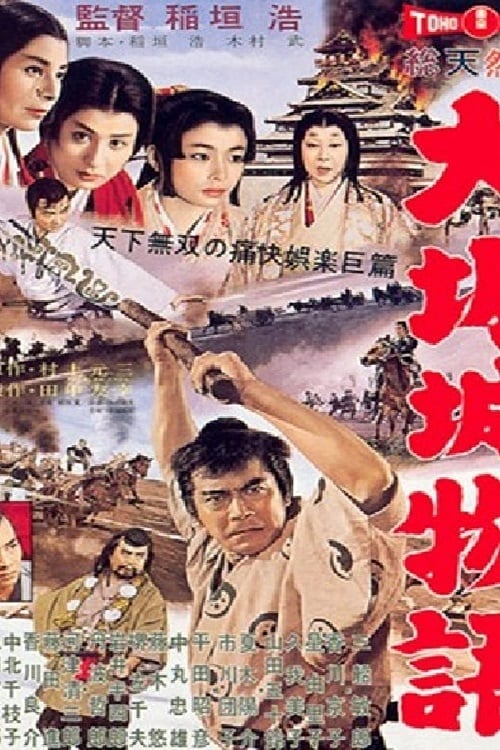
Daredevil in the Castle is a classic jidaigeki that prioritizes historical epic clichés over contemporary storytelling that reflects multiple aspects of identity. The story revolves around the martial skills of a swordsman entangled in clan warfare, reinforcing traditional hierarchies of power and honor. The film's focus is narrow, emphasizing the male protagonist's ability to drive the story and the political conflicts between the Toyotomi and Tokugawa clans. This adherence to mid-century Japanese storytelling frameworks limits its subversiveness.
Category Breakdown
The film adheres to traditional period drama conventions and does not feature any LGBTQ+ characters or narratives that challenge the assumption that everyone is straight or cisgender.
The story focuses on masculine martial prowess and leadership, centering on the male protagonist's physical and political battles.
The cast is ethnically uniform, reflecting the historical context of the Japanese setting and not providing a platform for diverse racial representation.
The film highlights traditionalist values such as clan loyalty and martial honor, engaging with established power structures rather than challenging institutions.
There are no characters with physical or neurodivergent disabilities mentioned in the narrative.
Present on Screen
Limited or Absent
Official Synopsis
During the raging war between the Toyotomi and Tokugawa clans, the swordsman Mohei (whose family has been completely decimated) is recruited by Toyotomi to overcome the seat of power, Osaka Castle. Mohei's daredevil skills will be put to severe tests.
1964
1974
1967
1954
1969
1959
1979
1969
No reviews yet. Be the first to share your thoughts on this movie!
Use the rating form above to leave a star rating and optional review.