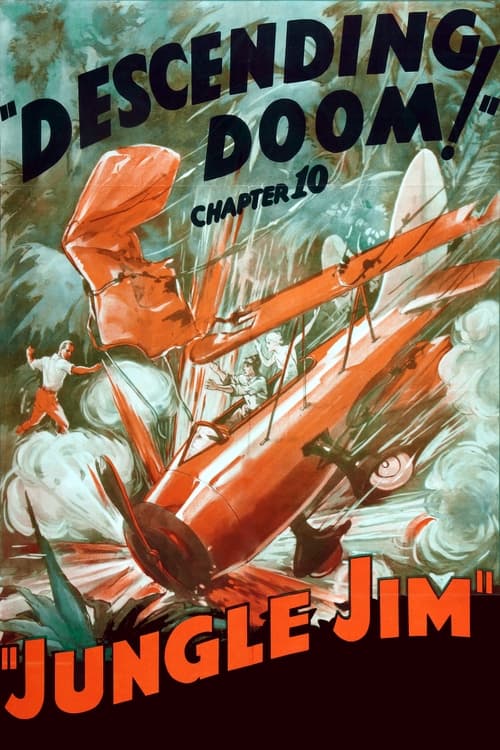
Jungle Jim
1937
No user ratings available yet
Representation score: 0.3 out of 10

Representation Score
Minimal
1943
NRDirector
B. Reeves Eason
Runtime
299 minutes
Average Rating
No ratings yetNew Showbiz Analysis
The Phantom is a classic product of its 1943 historical context, using traditional heroism and adventure narratives typical of mid-century cinema. The narrative emphasizes Western perspectives, centering conflicts around male-led expeditions into non-Western territories. Despite providing a clear adventure framework, the film lacks complexity in its portrayal of diverse identities. It upholds the social norms of the time without challenging them through varied character representation. Ultimately, the film's use of colonial clichés and strict gender hierarchies limits its narrative scope, excluding most underrepresented groups.
Category Breakdown
The film does not feature any LGBTQ+ characters or non-cisgender identities, sticking closely to the straight-centered structures common in 1940s cinema.
The story focuses on male figures, such as the scientist, treasure hunter, and members of the Phantom lineage, emphasizing masculine competition and physical struggle.
Indigenous groups are portrayed through a colonial perspective, showing them as a collective force to be managed. The story prioritizes Western explorers over the local population.
The film upholds Western institutional values, presenting scientific pursuits and centralized leadership positively. There is no anti-Western or anti-capitalist sentiment.
The story does not include characters with visible or invisible disabilities, focusing instead on physical prowess and navigating the jungle.
Present on Screen
Limited or Absent
Official Synopsis
Two expeditions are trying to reach the Lost City of Zoloz -- one headed by Professor Davidson, a scientist who wants to establish an archaeological site, and the other by a greedy treasure hunter who wants to keep the fabled treasures of the city for himself. An agent of a foreign power also wants to establish a secret airbase there, so he stirs up the natives against The Phantom, who has been able to get them to stay peaceful so far. When The Phantom is murdered, his son takes his place and sets out to restore peace to the jungle and stop the agents' and the treasure hunters' nefarious plans.
1937
1939

1966
1936
1940

1932
1952

1939
No reviews yet. Be the first to share your thoughts on this movie!
Use the rating form above to leave a star rating and optional review.