The Big Dig
1969
No user ratings available yet
Diversity score: 5.9 out of 10
1976
Director
Luigi Comencini, Nanni Loy, Luigi Magni, Mario Monicelli, Ettore Scola
Runtime
112 minutes
Average Rating
No ratings yetSynopsis
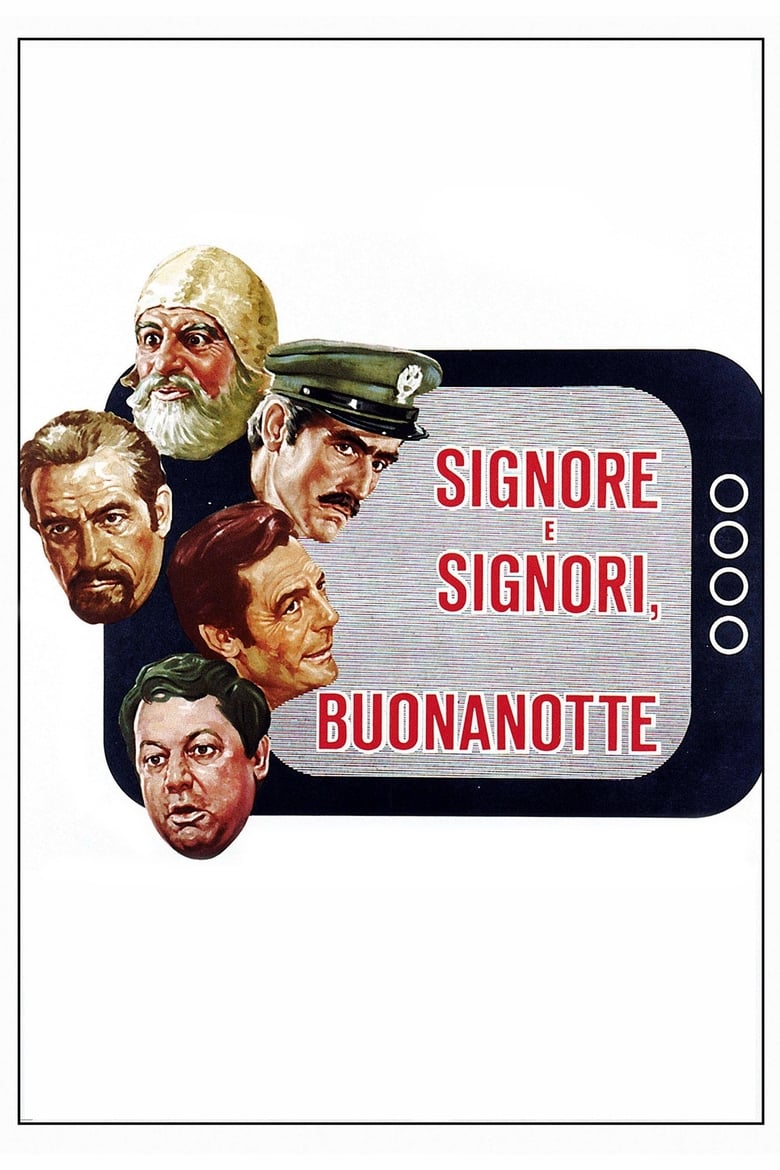
An episodic satire of the political and social status of Italy in the seventies, through the shows of one day of a television channel. An English language lesson turns into a killing of a black dignitary of an embassy by a CIA agent and then into his own killing by another colleague. In a television film, the police are befooled by a fake bomb and put a real one in order not to be derided by the public. In a film inquisition show, the bishop of Naples speaks highly of the importance of the family, but a child who lives a miserable family life kills himself. In the debate that follows it is proposed that they should eat the children, as Swift had said. In the next episode, a general who is in the toilet is called for the NATO parade, but the flasher breaks and in his effort to fix it, he dirts allover and kills himself. In a children's show an inspector finds excuses and delays the arrest of a powerful man...
Overall Score
Good
Category Breakdown
LGBTQ+ Representation
The film uses a satirical framework to critique the heteronormative rigidity of 1970s Italy. Representation likely manifests through the subversion of traditional domestic archetypes rather than explicit identity-driven narratives.
Gender Representation
The narrative critiques how television relegates women to performative or domestic roles. This episodic approach allows for a multifaceted look at women navigating a patriarchal social landscape.
Racial & Ethnic Diversity
The focus remains heavily on internal Italian class and regional dynamics. While the cast appears ethnically homogeneous, the film examines systemic inequality through the lens of social stratification.
Religious & Cultural Diversity
The film excels at portraying media and political authority as hollow or corrupt. It uses satire to deconstruct Western institutional stability and question the integrity of national institutions.
Disability Representation
Specific portrayals of disability are not explicitly detailed. In this satirical context, such elements may serve as allegories for political madness rather than providing character agency.
Strengths
Areas for Improvement
AI Analysis
This ensemble piece from masters of *Commedia all'italiana* uses the medium of television to dismantle the perceived sanctity of Italian social and political institutions. It offers a cynical, sophisticated deconstruction of mid-century societal norms and power dynamics. The film's strength lies in its institutional critique, using satire to expose the performative nature of media and authority. It prioritizes a systemic analysis of corruption and class stratification over simple character studies. However, the focus on domestic Italian politics limits its scope regarding racial and ethnic diversity. The representation of disability and LGBTQ+ identities remains largely allegorical or implicit rather than central to the narrative.
1969
1964
1977
1971

1984
1962
1994
1968
1972

1972

1983

2002
No reviews yet. Be the first to share your thoughts on this movie!
Use the rating form above to leave a star rating and optional review.