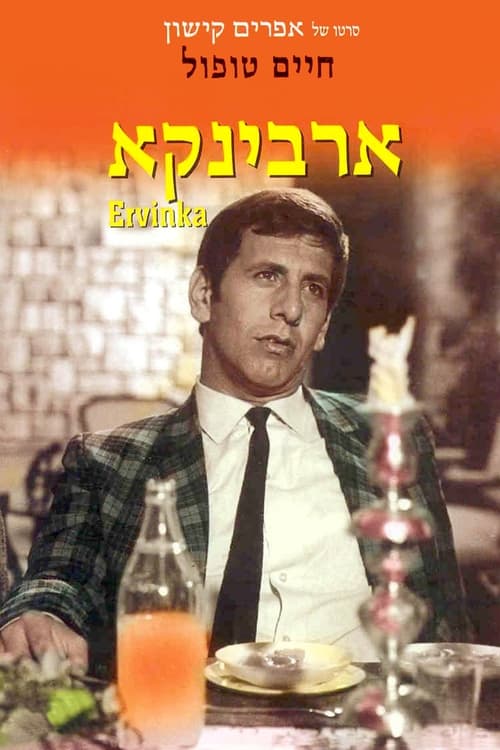
Ervinka
1967
No user ratings available yet
Representation score: 4.3 out of 10

Representation Score
Good
1969
Director
Ephraim Kishon
Runtime
95 minutes
Average Rating
No ratings yetNew Showbiz Analysis
Ephraim Kishon’s satire uses a rebellious protagonist to highlight the absurdities of urban bureaucracy in 1960s Israel. The film prioritizes challenging the status quo over maintaining institutional stability. While limited by its historical context, the film gives real power to a non-conformist character. This allows the film to critique systemic inefficiency rather than just being a typical comedy. The portrayal of disability is central to the plot, though it uses mental illness as a comedic device. Overall, the film serves as a critique of state-driven organization.
Category Breakdown
The film doesn't include explicit stories about LGBTQ+ people, reflecting the social norms of 1969. However, its focus on non-conformity hints at a subtle shift away from the assumption that everyone is straight or cisgender.
The story centers around a rebellious male character. The satire often mocks traditional authority figures, helping to challenge the dominance of male-controlled institutions.
Casting likely mirrors the demographics of Tel Aviv in the late 1960s. The music in the film represents the main ethnic group of that time period.
The narrative focuses on anti-institutional themes. It questions the effectiveness of bureaucratic systems by showing them through the eyes of someone who feels excluded by society.
The protagonist is an escaped mental patient who drives the plot. He plays a significant role in exposing the flaws in the social structure.
Present on Screen
Limited or Absent
Official Synopsis
A slapstick comedy lampooning bureaucracy and the madness of everyday life in Israel centers on an escaped lunatic who digs up the streets of Tel-Aviv with a drill.
1967

1953

2015
1967

1999
1959

1971

1979
No reviews yet. Be the first to share your thoughts on this movie!
Use the rating form above to leave a star rating and optional review.