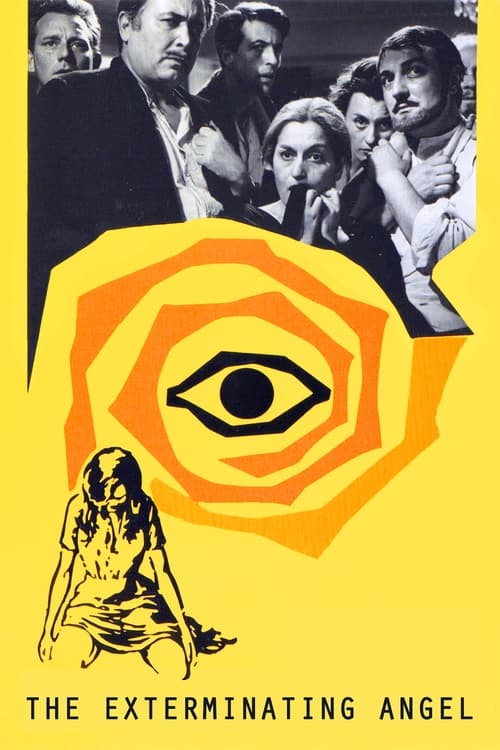
The Exterminating Angel
1962
No user ratings available yet
Representation score: 6.1 out of 10

Representation Score
Good
1972
PGDirector
Luis Buñuel
Runtime
101 minutes
Average Rating
No ratings yetNew Showbiz Analysis
Buñuel’s masterpiece prioritizes a critique of class and institutional power over individual identity. It uses dream logic to dismantle the stability of the European bourgeoisie, making the film a profound deconstruction of social architecture. While the film lacks diverse representation of race and LGBTQ+ identities, it excels in cultural critique. It uses moral relativism to challenge the sanctity of capitalism and traditional social rituals. Ultimately, the work functions as a symbolic dismantling of power dynamics. It prioritizes a deep, progressive interrogation of societal structures over demographic diversity.
Category Breakdown
The film does not include clear LGBTQ+ storylines or characters. Surreal elements allow for exploring desires, but characters are still bound by the social norms of the 1970s.
Traditional gender roles are made ridiculous through surreal disruptions. While this challenges male dominance, the film does not deeply question the hierarchy of gender roles.
The setting focuses on a white, upper-class European population. This narrow focus aligns with the specific social commentary of the satire.
The film successfully critiques Western institutions such as religion and the military. It portrays these rituals as nonsensical and part of an absurd dream world.
There is no intentional focus on disabilities or neurodivergence. Deviations from normalcy are treated as surreal dream logic rather than meaningful explorations of identity.
Present on Screen
Limited or Absent
Official Synopsis
In Luis Buñuel’s deliciously satiric masterpiece, an upper-class sextet sits down to dinner but never eats, their attempts continually thwarted by a vaudevillian mixture of events both actual and imagined.
1962

1967

1974
1969

1949

1973
1978

1955
No reviews yet. Be the first to share your thoughts on this movie!
Use the rating form above to leave a star rating and optional review.