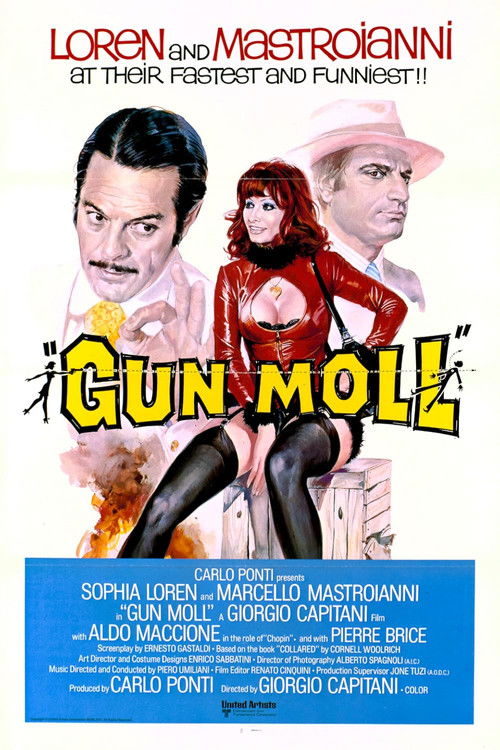
Gun Moll
1975
No user ratings available yet
Representation score: 2.7 out of 10
Representation Score
Good
1972
RDirector
Lina Wertmüller
Runtime
113 minutes
Average Rating
No ratings yetNew Showbiz Analysis
Lina Wertmüller uses satire to deconstruct social hierarchies and the tension between desire and systemic oppression. The film avoids traditional moral arcs, instead framing human relationships through the lens of class struggle and economic necessity. While the film lacks LGBTQ+ and disability representation, it offers a sophisticated critique of power structures. It replaces the cliché of the stable male leader with a protagonist driven by desperation and survival. The work is most successful in its cultural analysis, challenging the stability of religious and social morality in favor of a raw look at how poverty dictates human actions.
Category Breakdown
The film focuses on heterosexual relationships and the pursuit of women, with no representation of LGBTQ+ individuals or queer narratives.
The film portrays masculinity as transactional and impulsive rather than heroic, while also criticizing the objectification of women and the facade of patriarchal protection.
The story centers on regional Italian identity and class, focusing on the social strata of Sicily and industrial life without addressing ethnic the way different parts of someone's identity overlap.
The film excels in critiquing Western institutions and the sanctity of the family, showing authority and religious morality as secondary to economic survival.
There is no significant focus on physical or neurodivergent disabilities in the film, with character struggles centered on socioeconomic and psychological issues.
Present on Screen
Limited or Absent
Official Synopsis
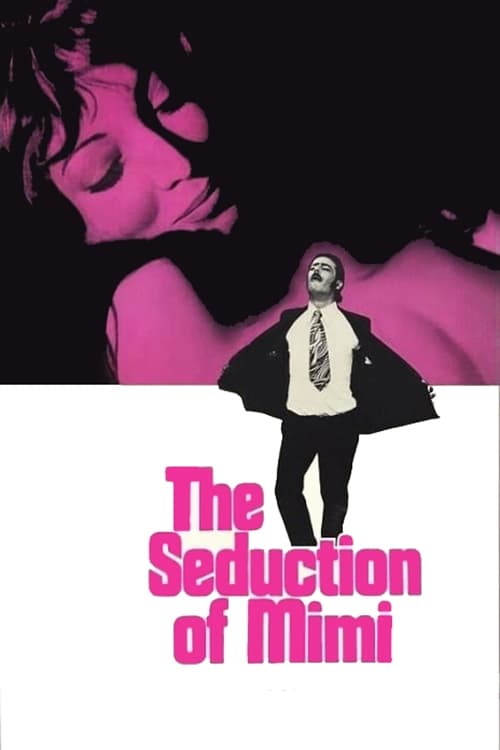
Sicilian dockworker Mimi inadvertently becomes embroiled in an increasingly complicated array of personal conflicts. When he loses his job after voting against a Mafia kingpin in an allegedly secret election, Mimi leaves his wife to find new employment. He moves to Turin, where he engages in an affair with a Communist organiser. Soon, Mimi finds himself juggling two demanding relationships while plotting revenge against the corrupt forces that ruined his life.
1975
1973
2017

1964
1976
1972
1979
1962
No reviews yet. Be the first to share your thoughts on this movie!
Use the rating form above to leave a star rating and optional review.