
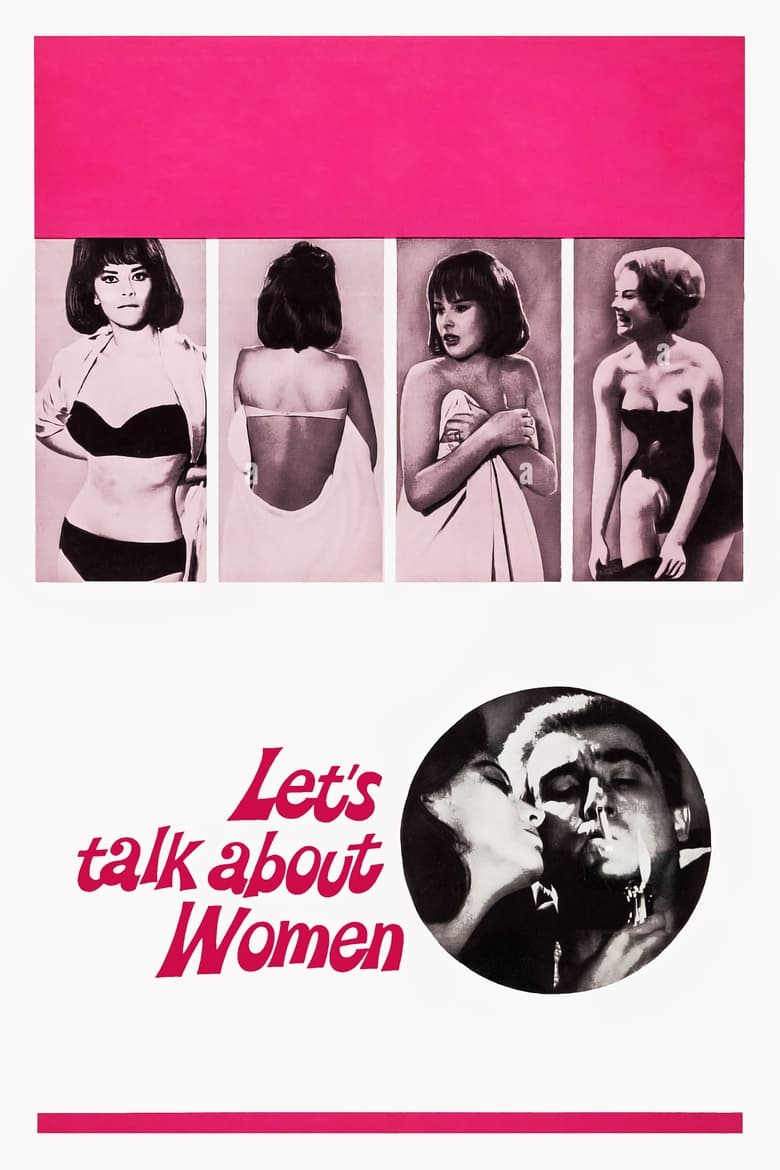
Let's Talk About Men
1965
No user ratings available yet
Diversity score: 6.9 out of 10
1964
Director
Ettore Scola
Runtime
99 minutes
Average Rating
No ratings yetSynopsis
Vittorio Gassman stars as different characters in each of the nine episodes of this unusual Italian comedy. Playing everything from a practical joker to a prisoner, he comments upon romance, love and women in general.
Overall Score
Fair
Category Breakdown
LGBTQ+ Representation
The film centers on heteronormative romantic and sexual dynamics. There is no visible presence of non-cisnormative identities or same-sex intimacy within the narrative.
Gender Representation
Scola subverts traditional hierarchies by making women the central subjects of his vignettes. The film effectively portrays the patriarchal order as a restrictive force through various socioeconomic lenses.
Racial & Ethnic Diversity
The cast remains relatively homogeneous, reflecting a specific European social history. It avoids overt stereotypes but does not pursue intersectional racial diversity.
Religious & Cultural Diversity
The film critiques religious and social institutions as tools for enforcing behavioral constraints. It challenges the idealized Western domestic model by highlighting the breakdown of traditional family structures.
Disability Representation
The narrative does not provide a significant or intentional focus on physical disabilities or neurodivergence. Class and gender remain the primary vectors of social struggle.
Strengths
Areas for Improvement
AI Analysis
Ettore Scola’s anthology uses a sophisticated narrative structure to deconstruct patriarchal power. By focusing on the female experience across different social strata, the film moves beyond a male-centric gaze to highlight domestic confinement and reproductive struggles. While the film is progressive in its feminist historiography, its demographic breadth is limited. The focus is strictly tied to Western European class and gendered distinctions, resulting in a lack of racial and LGBTQ+ representation. Ultimately, the work succeeds as a critique of systemic social constraints. It uses moral relativism to challenge the institutions that traditionally govern women's lives, making it a significant study of agency within restrictive frameworks.
1965

1971
1953

1999

1976
2001
1977
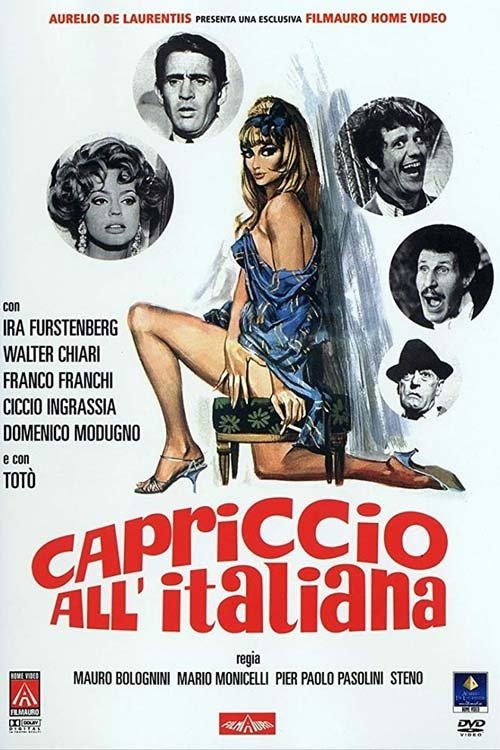
1968

2002
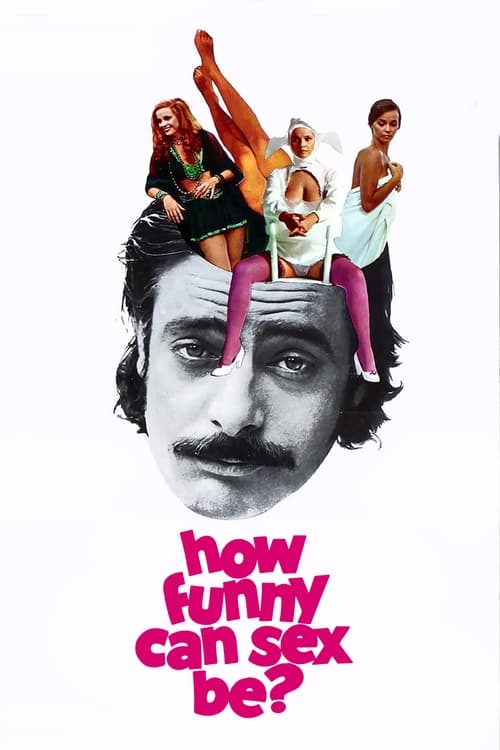
1973
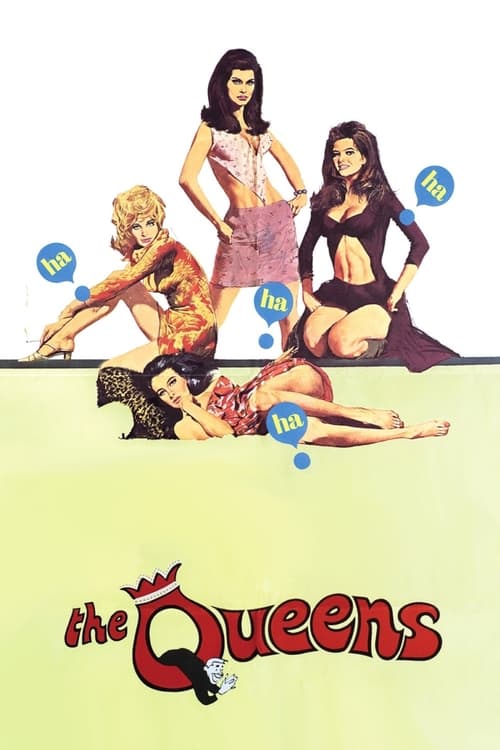
1966
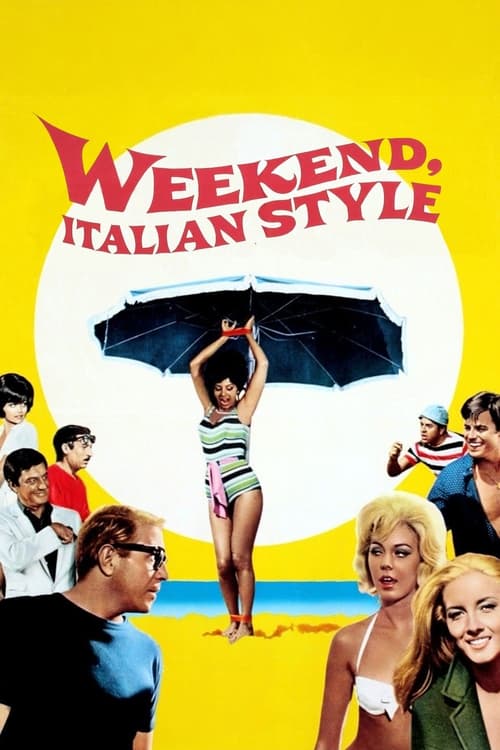
1965
No reviews yet. Be the first to share your thoughts on this movie!
Use the rating form above to leave a star rating and optional review.