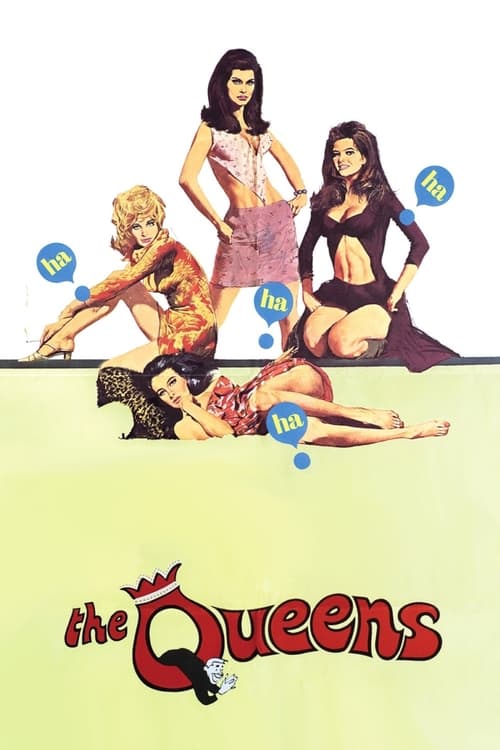
The Queens
1966
No user ratings available yet
Representation score: 4.8 out of 10
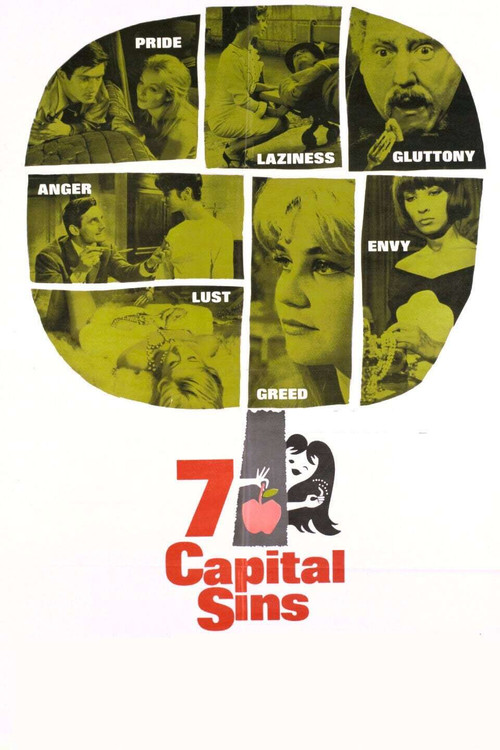
Representation Score
Fair
1962
Director
Jean-Luc Godard, Sylvain Dhomme, Philippe de Broca, Claude Chabrol, Jacques Demy, Roger Vadim, Édouard Molinaro
Runtime
113 minutes
Average Rating
No ratings yetNew Showbiz Analysis
This anthology film serves as a postmodern critique of human nature, using the distinct voices of French New Wave directors to focus on social observation rather than theology. While it lacks broad demographic representation, it offers significant intellectual subversion. The film's strength lies in its narrative structure, which uses satire to challenge the stability of traditional social and religious institutions. It treats morality as a subject for psychological scrutiny rather than absolute truth. However, the film remains rooted in the social norms of its era, showing limited representation of LGBTQ+ identities, diverse ethnicities, or disability. Its impact is more intellectual and systemic than demographic.
Category Breakdown
The film does not explicitly depict non-binary or LGBTQ+ identities. It focuses on traditional romantic and sexual tensions typical of the 1960s.
Women are often portrayed through traditional roles tied to male desire or domestic conflicts. However, some characters, like the prostitute in 'Greed,' show financial independence.
Casting is predominantly white, reflecting the current French cinematic landscape. The segments do not actively seek to break Eurocentric norms through diverse ethnic representation.
The film effectively uses satire to critique Western institutions and promote moral relativism. It challenges traditional religious and capitalist norms through irony.
There is no significant or intentional representation of visible or invisible disabilities. Characters are defined by moral failings rather than physical or neurological conditions.
Present on Screen
Limited or Absent
Official Synopsis
Seven directors each dramatize one of the seven deadly sins in a short film. In "Anger," a domestic argument over a fly in the Sunday soup escalates into nuclear war. In "Sloth," a movie star would rather pay someone to tie his shoe than bend over to do it himself, and he can't be bothered to accept a starlet's sexual favors. In "Gluttony," a peasant family on its way to the funeral of a relative who died from indigestion stops regularly to eat and drink en route, arriving in time to eat some more. In "Greed," a high-class prostitute refunds the price of a cadet's lottery ticket. In "Pride," an unfaithful wife finds reason to reform. And so on through lust and envy.
1966
1971
1952
1962
1972
1970
1962
1997
No reviews yet. Be the first to share your thoughts on this movie!
Use the rating form above to leave a star rating and optional review.