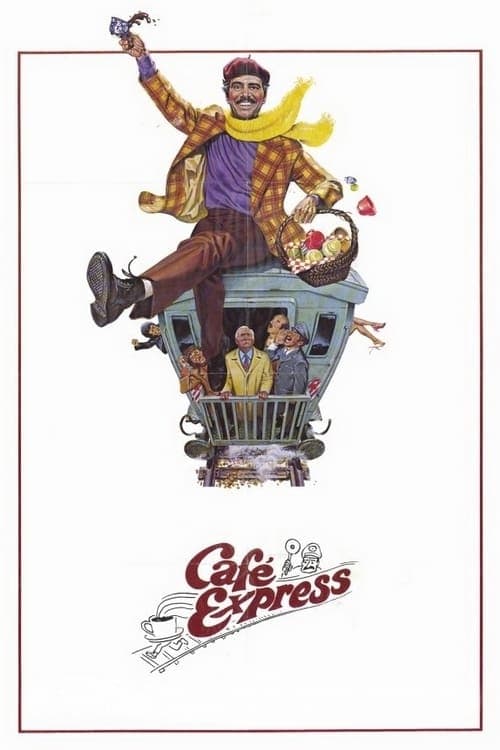
Café Express
1980
No user ratings available yet
Representation score: 4.2 out of 10

Representation Score
Good
1984
Director
Nanni Loy
Runtime
122 minutes
Average Rating
No ratings yetNew Showbiz Analysis
Where's Picone? is a focused social satire that prioritizes class struggle and institutional critique over broad demographic representation. Its strength lies in its cultural commentary, using a singular, radical act to expose the failures of the state and the plight of the Neapolitan working class. However, the film's narrow focus on the male industrial worker results in limited representation for women and LGBTQ+ individuals. The narrative remains rooted in a traditional, homogeneous social framework that emphasizes regional identity over ethnic or gender diversity. Ultimately, the film is a specialized study of systemic oppression. While it lacks a diverse cast, it provides a powerful critique of the political and economic structures that marginalize the working class.
Category Breakdown
The film does not include explicit LGBTQ+ storylines or characters. The focus is on the socio-economic struggles of workers, which limits queer visibility.
The story centers on the male experience of labor and economic hardship. It highlights the traditional struggle of an industrial worker without challenging traditional gender roles.
The cast is primarily made up of people from Naples, emphasizing local Neapolitan identity and class differences. The film does not focus on ethnic diversity.
The film effectively critiques Western and state institutions. It uses a radical protest to challenge the effectiveness of capitalist labor structures and systemic political failures.
There is no specific focus on physical or neurodivergent disabilities. The protagonist's actions might reflect the psychological impact of being disenfranchised, but no characters clearly demonstrate ability to act.
Present on Screen
Limited or Absent
Official Synopsis
During a debate in Naples' town hall in the early 1980s, Pasquale Picone, a former steel-worker who has recently lost his job, sets himself on fire in front of the Municipal Council.
1980
1983
1978

1980
1987
1983
1953
1964
No reviews yet. Be the first to share your thoughts on this movie!
Use the rating form above to leave a star rating and optional review.