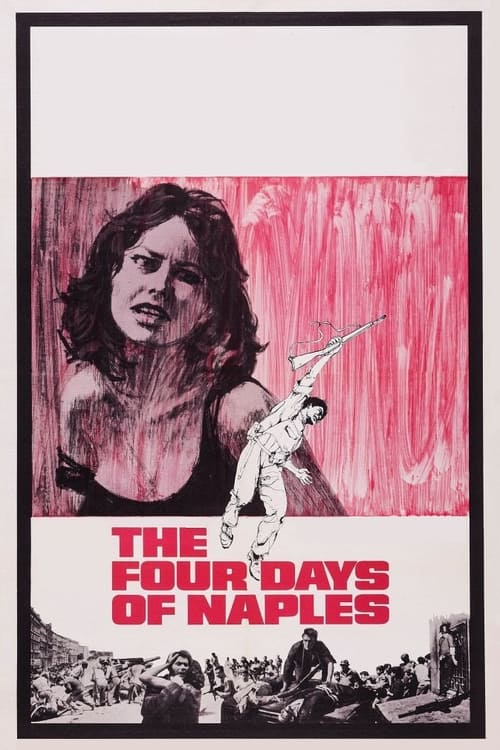
The Four Days of Naples
1962
No user ratings available yet
Representation score: 4.5 out of 10

Representation Score
Minimal
1951
Director
Carlo Lizzani
Runtime
97 minutes
Average Rating
No ratings yetNew Showbiz Analysis
Carlo Lizzani’s work is grounded in Italian Neorealism, emphasizing the socio-political realities of the working class. The film effectively highlights the struggles of the working class and the ability to act of the underdog. However, it is limited by the demographic and social norms of its time. The heavy focus on combat and industrial labor leads to a predominantly male perspective, which limits the exploration of diverse identities. Ultimately, while the film offers a powerful critique of imperial and state structures, it lacks representation for LGBTQ+ individuals and people with disabilities.
Category Breakdown
The film does not include any documented LGBTQ+ characters or stories focusing on non-straight identities.
The story revolves around male-dominated areas of warfare and industrial work. It lacks strong female characters or challenges to traditional gender roles.
The cast reflects the ethnic and regional specifics of 1944 Italy. It does not use actors of different races to challenge the historical norms.
The film explores anti-authoritarian and anti-capitalist ideas deeply. It criticizes power structures by highlighting the alliance between partisans and striking workers against Nazi occupiers.
There are no characters with physical or neurodivergent disabilities in the story.
Present on Screen
Limited or Absent
Official Synopsis
During the winter of 1944, the partisans stationed in the Ligurian Apennines must go to a factory in Genoa, in order to pick up a delivery of weapons. Meanwhile, there's a strike in the city and the Nazis are trying to suppress it violently. The factory becomes the scene of fighting between the Germans and the partisans but the latter, aided by the workers, will be able to get the better.
1962

1945
2000

1946

1963
1960
1964

2004
No reviews yet. Be the first to share your thoughts on this movie!
Use the rating form above to leave a star rating and optional review.