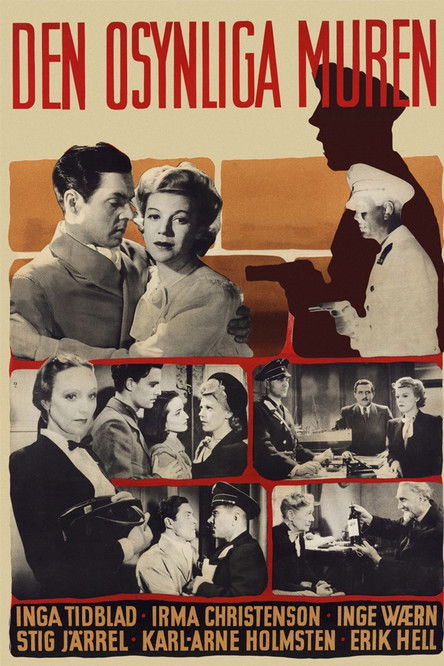
The Invisible Wall
1944
No user ratings available yet
Representation score: 1.9 out of 10
Representation Score
Fair
1978
Director
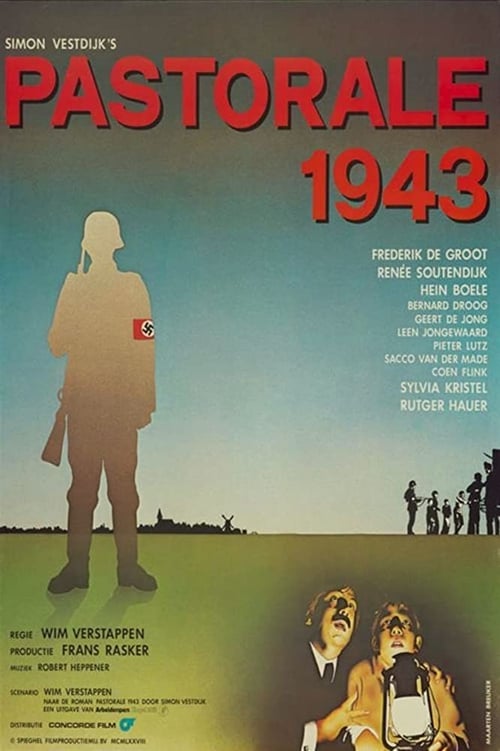
Wim Verstappen
Runtime
125 minutes
Average Rating
No ratings yetNew Showbiz Analysis
Pastorale 1943 is a character-driven drama that prioritizes the deconstruction of social mores over traditional wartime heroism. It succeeds in subverting age-based gender hierarchies and challenging patriarchal structures through its central relationship. However, the film is limited by its historical and geographic context, resulting in a lack of racial and LGBTQ+ diversity. The cast remains largely homogeneous, adhering to the specific setting of a rural European village. Ultimately, the film's strength lies in its moral relativism. It offers a nuanced exploration of individual ability to act against systemic societal pressure, even if it lacks broader demographic representation.
Category Breakdown
The film lacks explicit LGBTQ+ characters or non-straight storylines. It touches on themes of social isolation but does not include LGBTQ+ characters.
The film centers a relationship between an older woman and a younger man, disrupting traditional gender hierarchies and giving the female protagonist significant social complexity.
The cast is predominantly white and homogeneous, reflecting its 1978 Dutch production and specific WWII setting. It does not feature diverse ethnic representation.
The narrative avoids didactic wartime morality, presenting social transgressions without explicit condemnation. It prioritizes individual impulses over communal or religious expectations.
There is no significant evidence regarding the portrayal of physical or neurodivergent disabilities within the film.
Present on Screen
Limited or Absent
Official Synopsis
In a Dutch village during the German occupation, a small group of badly organized resistance fighters attempt to assassinate a collaborator.
1944

1945
1960

1977

1943

1943

1943

1965
No reviews yet. Be the first to share your thoughts on this movie!
Use the rating form above to leave a star rating and optional review.