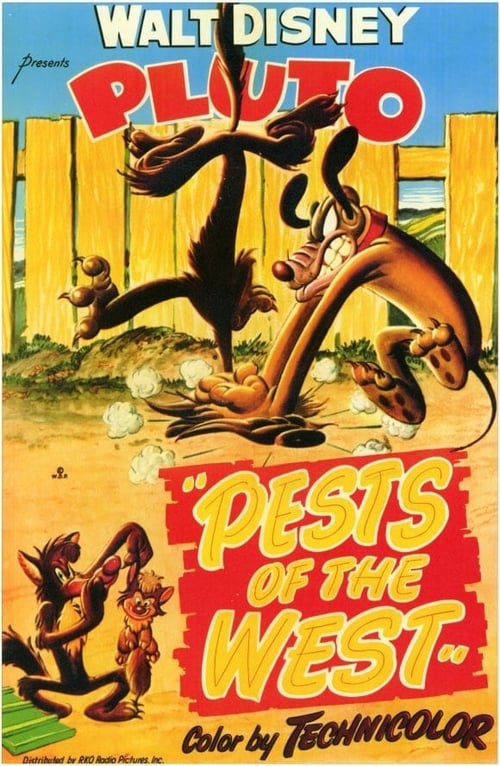
Pests of the West
1950
No user ratings available yet
Representation score: 1.1 out of 10
Representation Score
Minimal
1950
Director
Charles August Nichols
Runtime
7 minutes
Average Rating
No ratings yetNew Showbiz Analysis
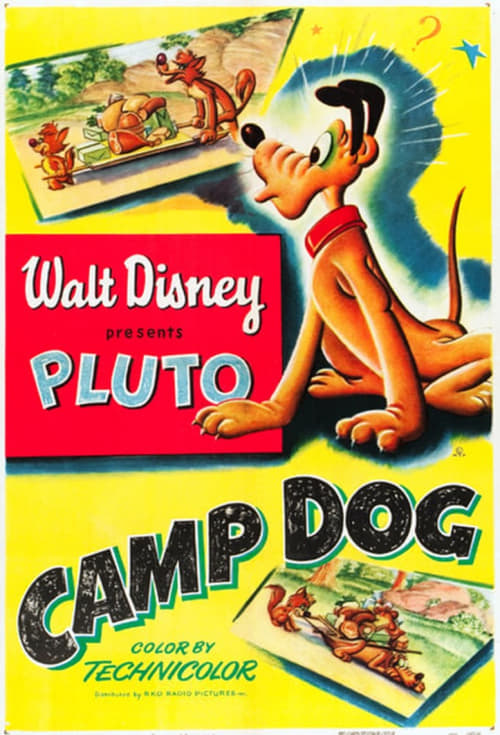
Camp Dog is a traditional mid-century animated short centered on slapstick conflict. The narrative focuses on a closed loop of physical comedy between coyotes and a dog. The film does not deconstruct social norms or engage with multi-layered themes. Instead, it serves as a straightforward comedic vignette without addressing diverse identities or cultural hierarchies. Due to its reliance on animal archetypes and a singular, homogeneous group, the film lacks the intentionality needed to address diverse identities or cultural subversions.
Category Breakdown
The film centers on a conflict between coyotes and a guard dog. There is no depiction of LGBTQ+ identities or same-sex relationships.
The story revolves around a father-son relationship between coyotes. The absence of female characters limits the exploration of gender roles and ability to act.
The narrative uses anthropomorphized animals in a non-human context. It lacks any evidence of diverse casting or the blending of multiple identities.
The story follows a traditional trickster cliché involving property and ownership. It does not challenge Western institutions or provide any secularist themes.
Characters are portrayed through standard slapstick humor. There is no exploration of disabilities or neurodivergence.
Present on Screen
Limited or Absent
Official Synopsis
Two coyotes (father and son) smell food. They arrive in a campsite just in time to see the owner (presumably Mickey) heading downriver in a boat. The food is secured up in a tree, and Pluto, though sleeping, is standing guard. The father sets to work on getting the food down, but junior keeps dragging Pluto out for his dinner. Dad knows that Pluto is nothing but trouble, and keeps putting him back in the tent. They eventually get the food down, between run-ins with Pluto, and are preparing to feast when Pluto runs them off and the owner returns. Pluto realizes that, without the coyotes, he's going to get blamed, and goes off to join his former foes
1950
1949
1954
1938

1949
1950
1945
1945
No reviews yet. Be the first to share your thoughts on this movie!
Use the rating form above to leave a star rating and optional review.