Social Lion
1954
No user ratings available yet
Diversity score: 1.3 out of 10
1952
Director
Jack Kinney
Runtime
6 minutes
Average Rating
No ratings yetSynopsis
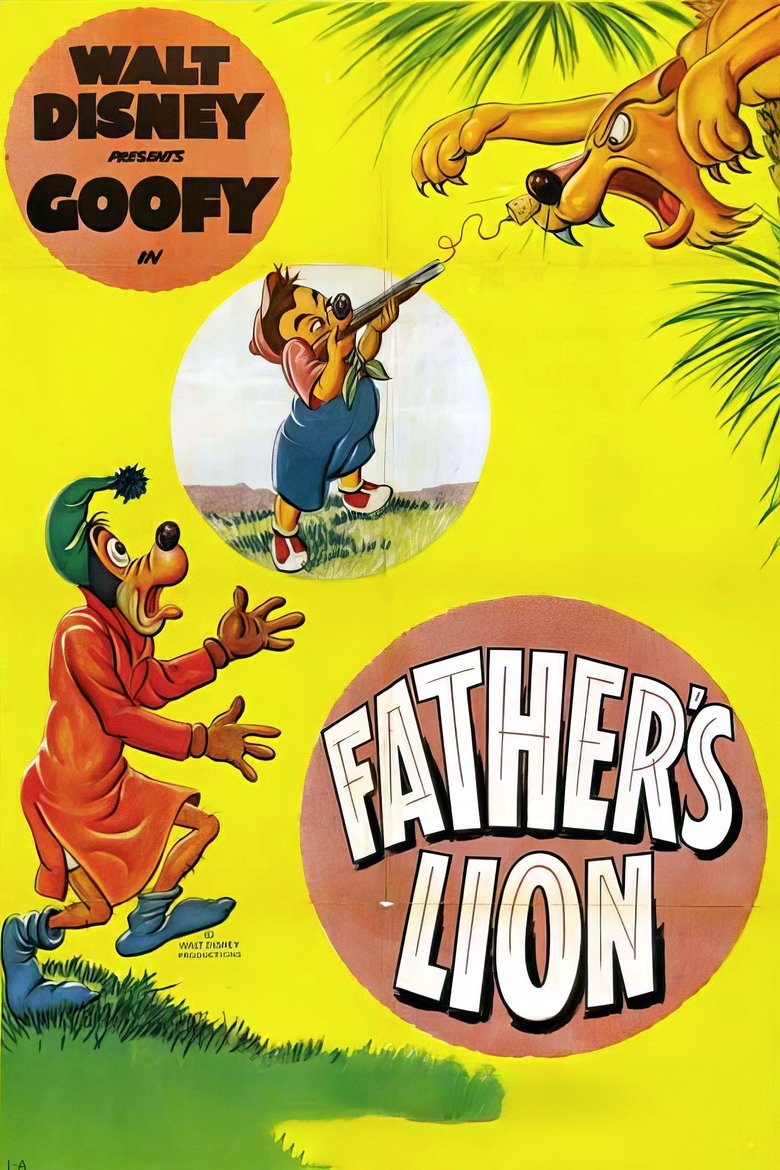
George Geef takes his son camping. His son thinks he sees lions everywhere; George can't see them even when they are right next to him. Lucky for George, his son's got his trusty pop-gun.
Overall Score
Minimal
Category Breakdown
LGBTQ+ Representation
The film focuses on a traditional nuclear family unit consisting of a father and son. There are no queer narratives or non-cisnormative identities present.
Gender Representation
The story centers on a patriarchal dynamic involving George Geef. It reinforces traditional masculine roles of provider and protector through a comedic lens.
Racial & Ethnic Diversity
The narrative suggests a homogeneous family structure typical of 1952 animation. There is no indication of diverse ethnic representation or race-bent casting.
Religious & Cultural Diversity
The plot celebrates mid-century Western values and the traditional family unit. It reinforces standard social institutions rather than offering any cultural critique.
Disability Representation
There is no evidence regarding the portrayal of physical or neurodivergent disabilities in this short.
Strengths
Areas for Improvement
AI Analysis
Father's Lion is a product of its era, functioning as a standard comedic short that adheres to mid-century animation traditions. The narrative relies on established character archetypes and situational humor rather than social critique. The film reinforces conventional social hierarchies and domestic structures. By focusing on a traditional father-son outing, it maintains the heteronormative and Anglo-centric norms prevalent in 1950s media. Ultimately, the work lacks the intentionality to challenge systemic norms or provide intersectional representation, serving instead as a reflection of the era's status quo.
1954
1951
1945
1961
1951
1950
1955
1957
1942
1954
1945
1935
No reviews yet. Be the first to share your thoughts on this movie!
Use the rating form above to leave a star rating and optional review.