Ivan's Childhood
1962
No user ratings available yet
Diversity score: 3.9 out of 10
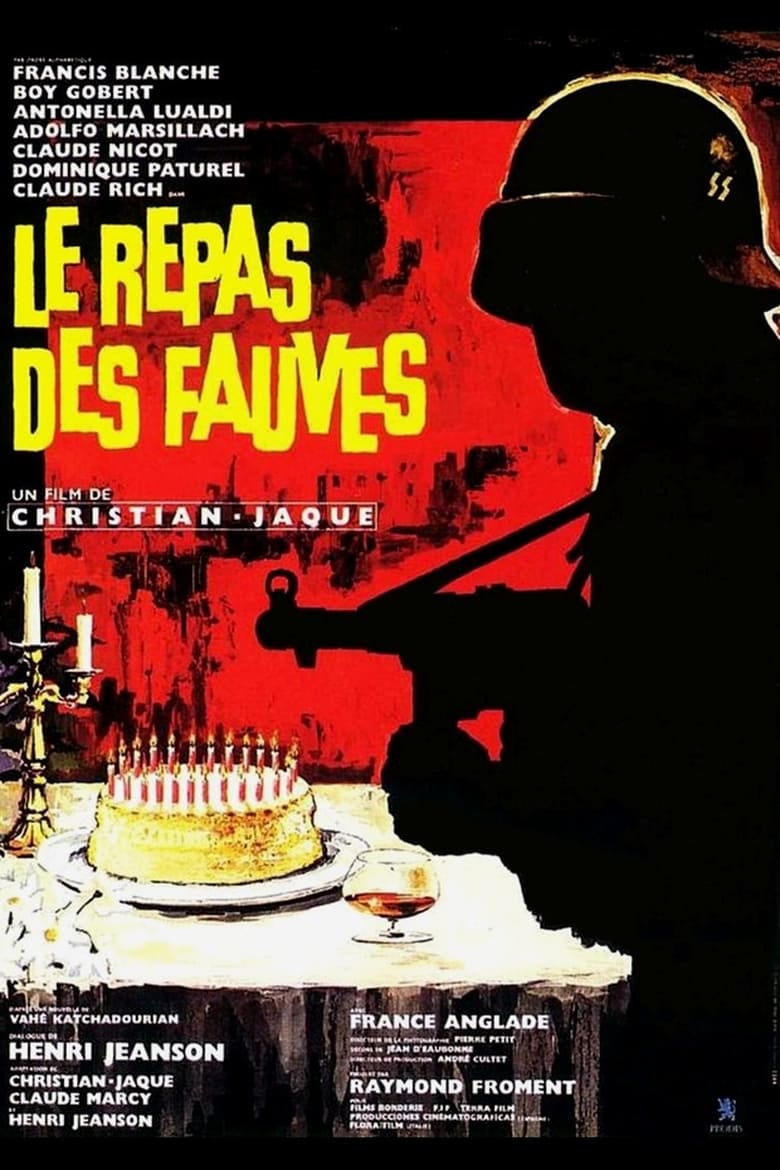
1964
Director
Christian-Jaque
Runtime
99 minutes
Average Rating
No ratings yetSynopsis
A diverse group of friends gather to celebrate a witless woman's birthday in this comedy drama set in France during World War II. The guests include an uncle who is a Nazi collaborator, a blind war veteran, a simpering physician, an arrogant educator, a patriotic girl, and the husband of the guest of honor. When some German soldiers are killed outside the house, the group is told by the Gestapo that they must choose among themselves two who will be shot if the killer is not caught. If two victims are not chosen, all seven at the party will be captured. Things sound pretty grim, but the black comedy begins when all seven try to save themselves by any means possible.
Overall Score
Fair
Category Breakdown
LGBTQ+ Representation
The film lacks LGBTQ+ characters or narratives exploring non-heteronormative identities. The story focuses entirely on the survival dynamics of the established social group.
Gender Representation
The narrative subverts traditional roles by shifting focus from domestic stability to a chaotic struggle for agency. A patriotic girl suggests a character operating outside submissive feminine archetypes.
Racial & Ethnic Diversity
The cast appears largely homogeneous, reflecting the demographic realities of WWII-era France. There is no evidence of race-bent casting or intentional intersectional blending in this social microcosm.
Religious & Cultural Diversity
The film critiques Western institutions by deconstructing the sanctity of family and patriotic duty. It uses moral relativism to challenge the idea of inherent institutional goodness.
Disability Representation
A blind war veteran is included as a participant in the group's moral dilemmas. His presence suggests active agency within the high-stakes survivalist ensemble.
Strengths
Areas for Improvement
AI Analysis
Christian-Jaque’s film functions as a sophisticated social satire that disrupts conventional wartime tropes. Instead of presenting unified heroism, it uses a pressure-cooker setting to examine the breakdown of social contracts and moral structures. The film's strength lies in its thematic architecture, using black comedy to challenge the perceived stability of Western social hierarchies. It replaces traditional heroism with a study of human agency and situational ethics. While the demographic diversity is limited by the historical setting, the narrative provides a compelling critique of systemic corruption and the fragility of established class structures.
1962
2016
1946

1960
1959
1965
1962
1996
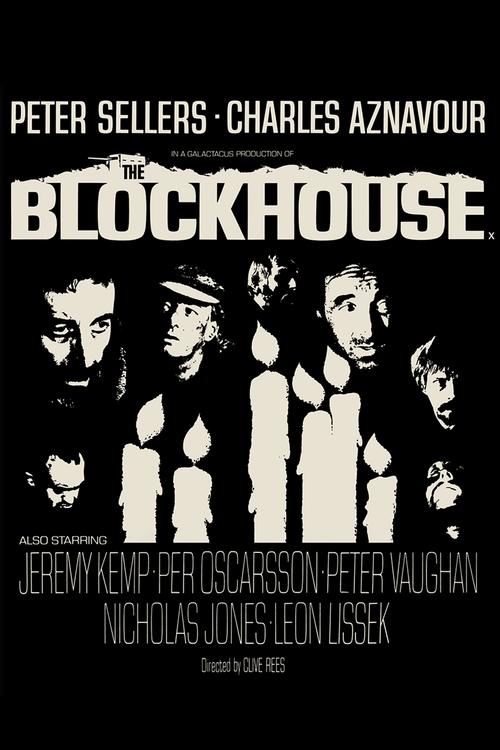
1973
1979
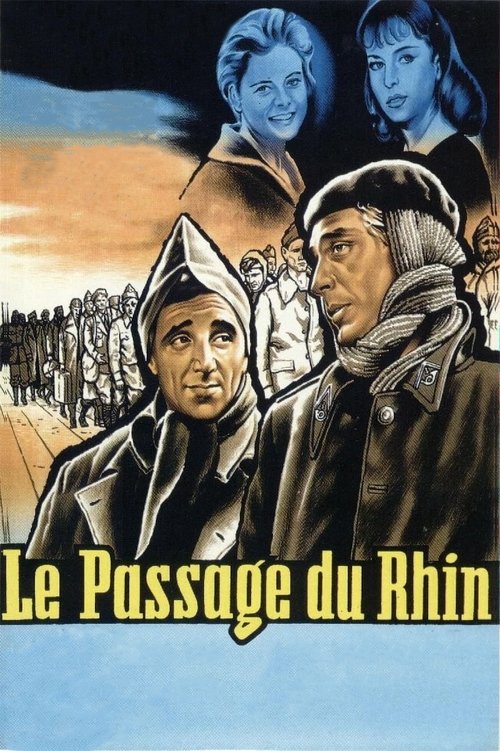
1960
1974
No reviews yet. Be the first to share your thoughts on this movie!
Use the rating form above to leave a star rating and optional review.