
The Silver Fleet
1943
No user ratings available yet
Diversity score: 2.8 out of 10
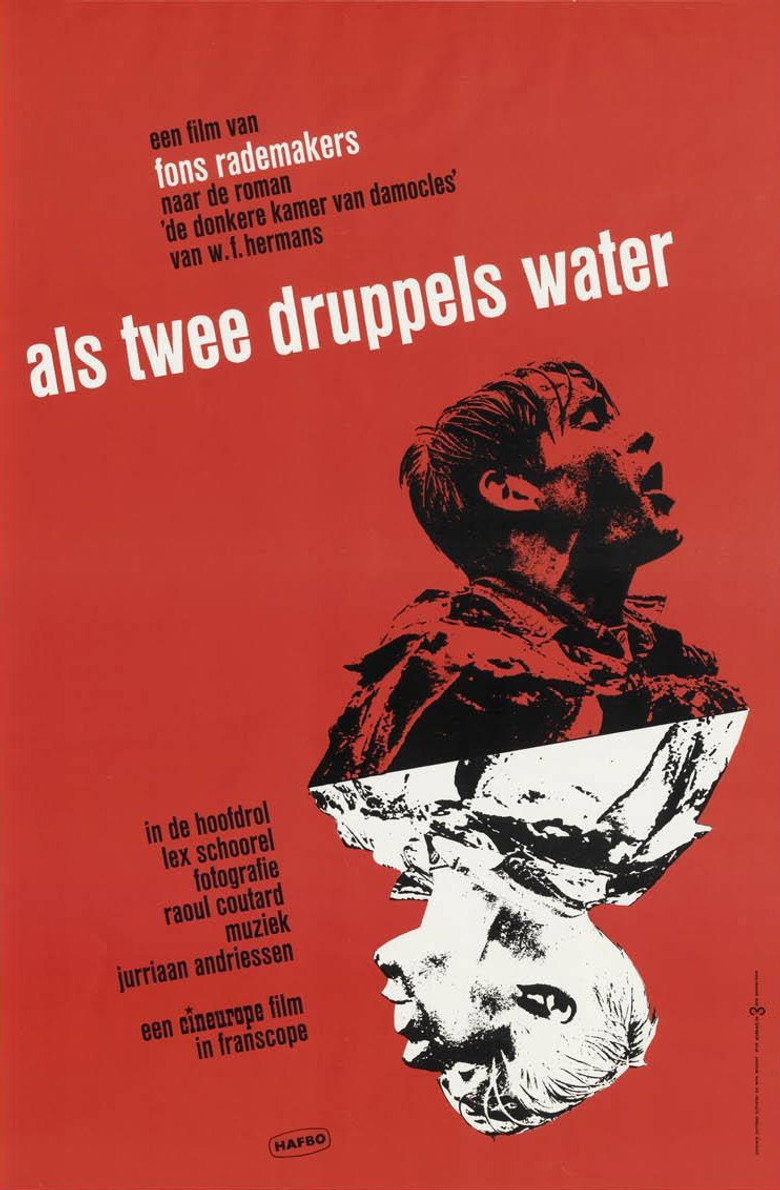
1963
Director
Fons Rademakers
Runtime
119 minutes
Average Rating
No ratings yetSynopsis
The fainthearted cigar trader Ducker keeps himself quiet during World War II. That changes when parachutist Dorbeck lands in his backyard. It turns out the parachutist bears a remarkable resemblance to Ducker. Ducker follows Dorbeck blindly, becomes involved in the Dutch resistance and soon starts killing people. When he escapes through German lines to the freed South Netherlands, no one has ever heard of Dorbeck.
Overall Score
Limited
Category Breakdown
LGBTQ+ Representation
The film explores intense, symbiotic male bonds between Ducker and Dorbeck. However, it lacks explicit depictions of non-cisnormative identities or same-sex intimacy.
Gender Representation
Female characters act as emotional anchors and catalysts for the protagonist. They largely function within conventional romantic frameworks without subverting traditional gender hierarchies.
Racial & Ethnic Diversity
The cast is predominantly homogeneous, reflecting the demographic realities of mid-century Europe. The story is deeply rooted in a specific Dutch wartime milieu.
Religious & Cultural Diversity
The narrative focuses on individual psychological fragmentation during wartime. It follows traditional historical accounts of the resistance without critiquing Western institutions or religion.
Disability Representation
No characters with visible or invisible disabilities are central to the plot. The protagonist's mental instability is shown through action rather than clinical representation.
Strengths
Areas for Improvement
AI Analysis
Fons Rademakers' drama is a period-specific psychological study that prioritizes character depth and identity ambiguity over social representation. The film's structure is built around the tension of a man's descent into violence during the German occupation of the Netherlands. Because the story is deeply embedded in a specific mid-century European historical context, the cast and social dynamics remain largely homogeneous. The film adheres to the traditional cinematic structures of its era, focusing on the duality of man rather than intersectional diversity. Ultimately, the work functions as a character-driven mystery that reflects the demographic and social norms of the 1940s, offering little in the way of systemic subversion or diverse representation.
1943
1942
1943
2012
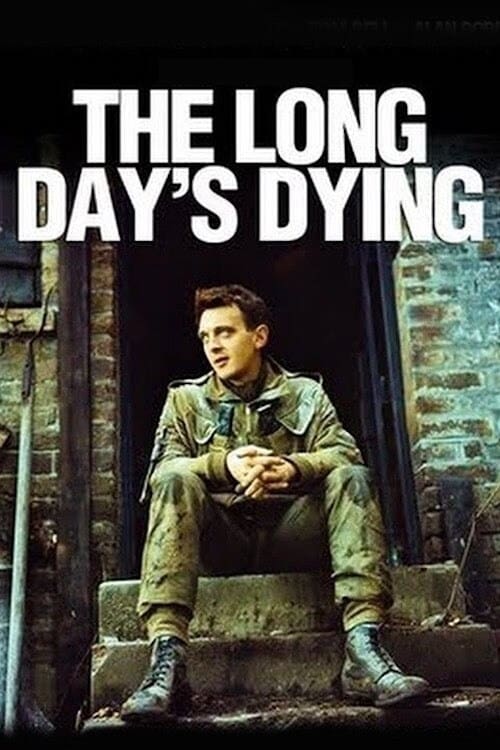
1968
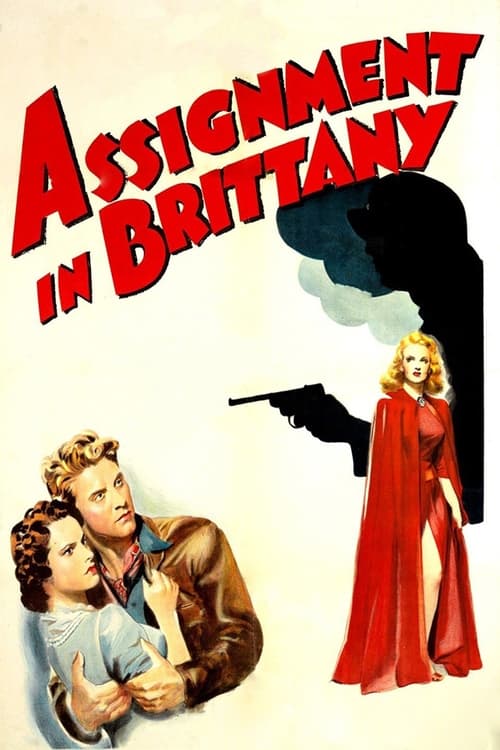
1943

1964

1945
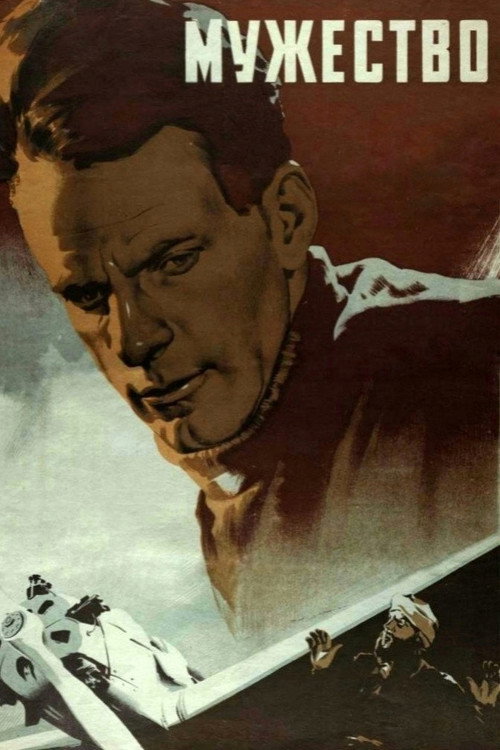
1939
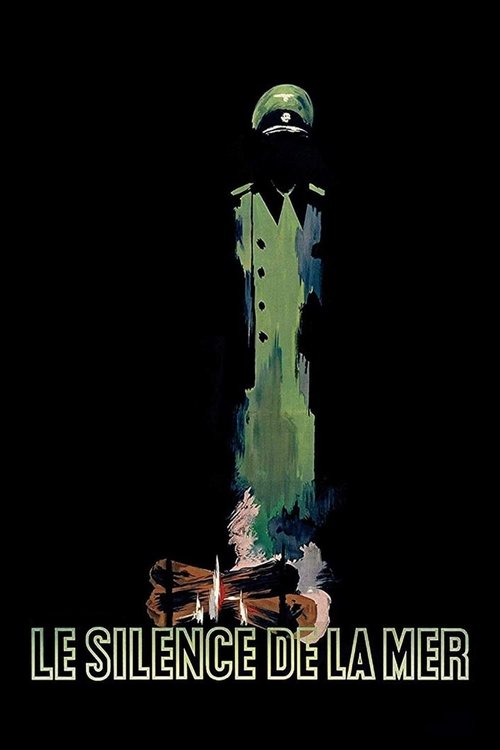
1949
1943
1966
No reviews yet. Be the first to share your thoughts on this movie!
Use the rating form above to leave a star rating and optional review.