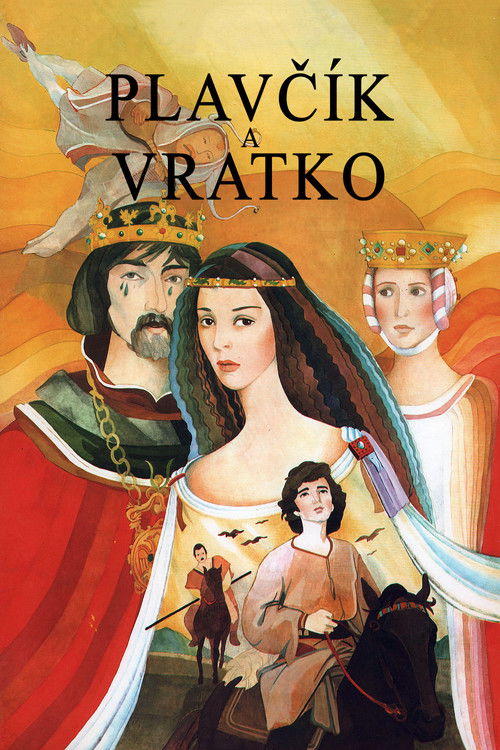
Plavčík a Vratko
1982
No user ratings available yet
Representation score: 3.7 out of 10
Representation Score
Limited
1982
Director
Martin Ťapák
Runtime
90 minutes
Average Rating
No ratings yetNew Showbiz Analysis
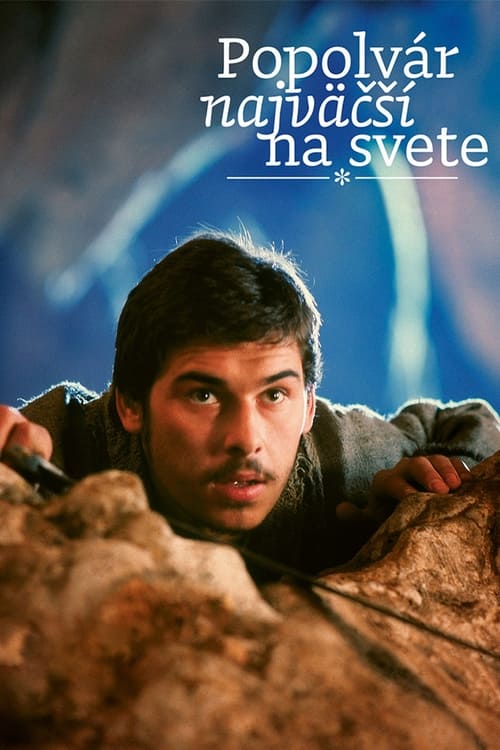
Popolvár, Biggest in the World operates within the classic fantasy-adventure genre, relying on well-known mythological archetypes such as quests for honor and the rescue of a princess. The film upholds traditional social hierarchies by focusing on royal brothers and a captured princess, reinforcing conventional gender roles and romantic structures. Ultimately, it serves as a traditional genre piece emphasizing moralistic storytelling and European folklore without challenging historical social norms.
Category Breakdown
The story focuses on traditional romantic relationships between a princess and knights, without addressing non-traditional gender identities or challenging conventional romance.
The male characters take on active roles as protectors and rescuers, while the female protagonist is portrayed as needing rescue.
The film reflects a culturally homogeneous setting typical of its region, without showcasing diverse or non-Western casting.
The narrative draws on European folkloric themes like knightly honor and monarchy, following a structured moral perspective without questioning traditional institutions.
There is no mention of characters with visible or invisible disabilities in the available information.
Present on Screen
Limited or Absent
Official Synopsis
A fairy-tale about knight honour, punished evil and tender love. Three royal brothers are put to the test in the fight with the king of the underworld in order to save captured princess, Láskykvet.
1982

1957
1995
1984
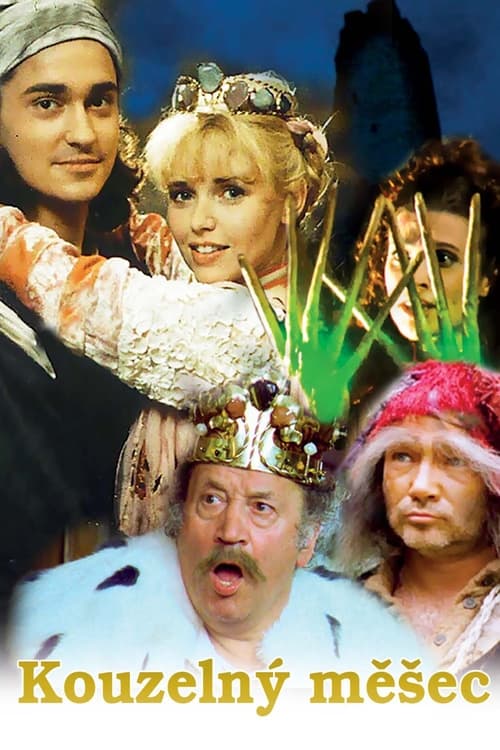
1996
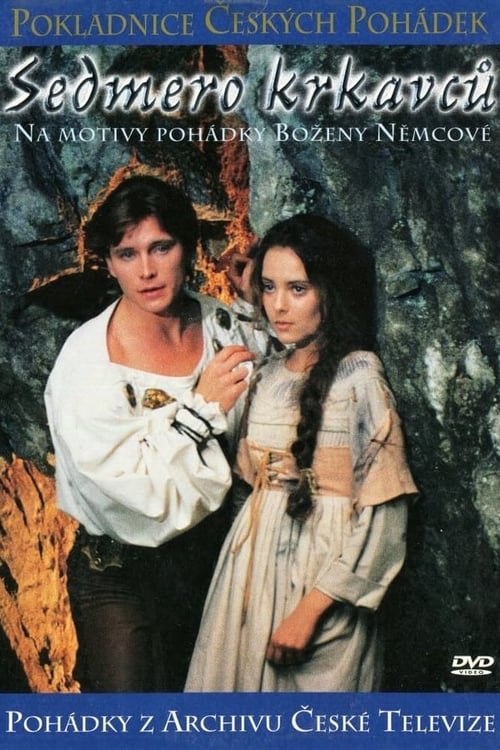
1993
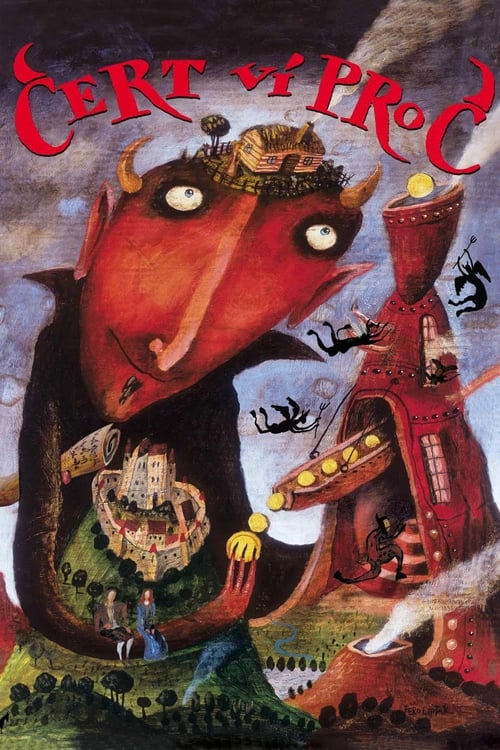
2003
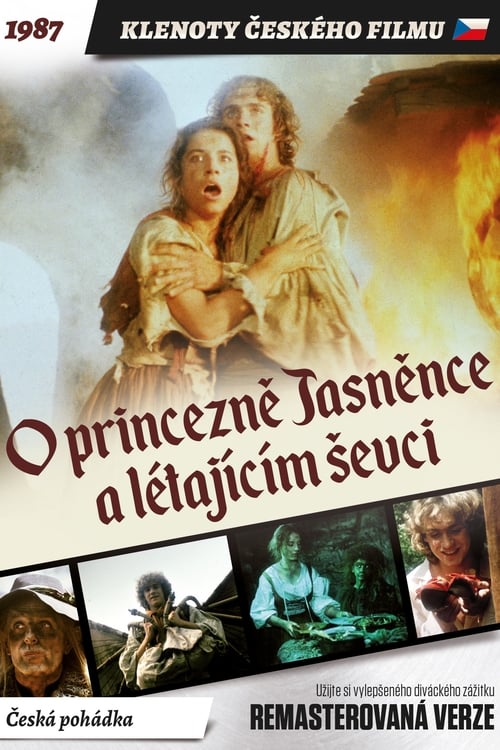
1987
No reviews yet. Be the first to share your thoughts on this movie!
Use the rating form above to leave a star rating and optional review.