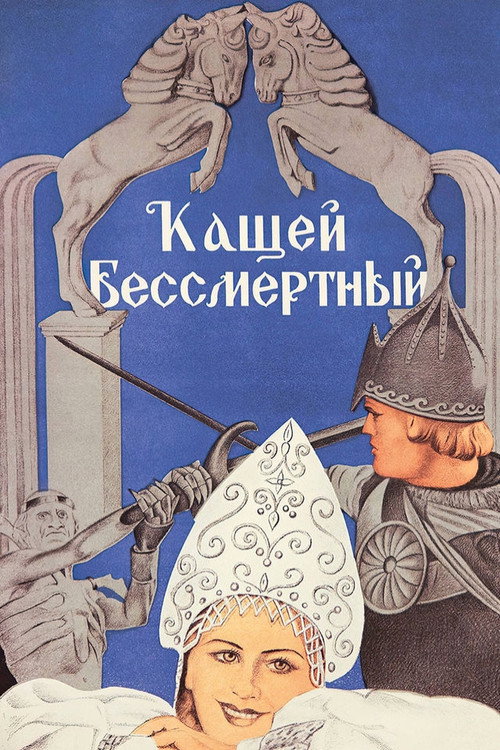
Kashchey the Immortal
1944
No user ratings available yet
Representation score: 2.0 out of 10
Representation Score
Fair
1960
Director
Artur Vojtetsky, Mikhail Yuferov
Runtime
64 minutes
Average Rating
No ratings yetNew Showbiz Analysis
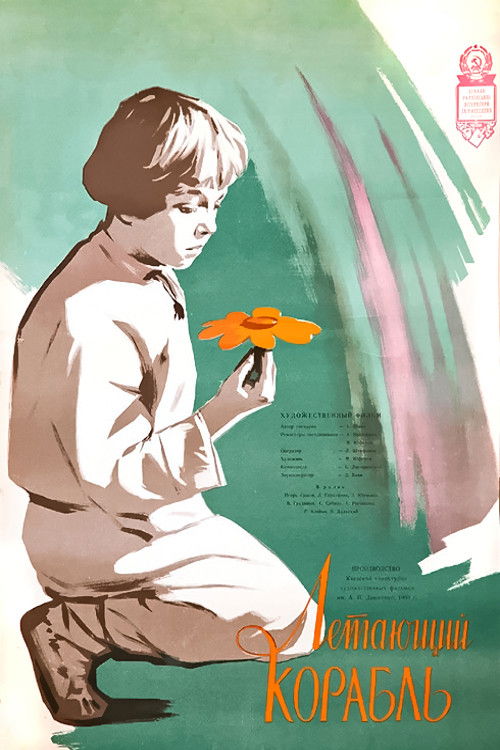
The Flying Ship is a traditional folk narrative that adheres to the social and gender hierarchies of its era. It lacks modern multi-layered complexity and LGBTQ+ visibility, focusing instead on a standard hero's journey. However, the film finds strength in its cultural specificity and communal themes. By centering on Ukrainian folklore, it provides a non-Western perspective that celebrates regional identity and the power of the collective over individualistic achievement. Ultimately, the film serves as a celebration of heritage and social cohesion, even while operating within conventional gender roles.
Category Breakdown
The film follows a traditional hero’s journey centered on rescuing a female relative. There is no evidence of LGBTQ+ characters or non-straight relationships within this folk tale.
Kotigoroschko acts as the primary hero, while Olenka remains a passive figure needing rescue. However, a community of supportive individuals provides the tools necessary for his success.
The story celebrates Slavic cultural identity through Ukrainian folklore. While not multi-ethnic, it elevates regional ethnic heritage and localized cultural narratives over Western-centric storytelling.
The narrative emphasizes communal triumph over centralized, tyrannical power. By focusing on the collective spirit against an oppressive dragon, it promotes social cohesion and communal values.
The available narrative details do not mention any characters with visible or invisible disabilities.
Present on Screen
Limited or Absent
Official Synopsis
Ukrainian folk tale. The hero of the story, Kotigoroschko sets off on an arduous journey to find his sister Olenka, who has been kidnapped by an evil dragon. Dangers lurk everywhere. Everywhere the submissive servants of the dragon fight him, but again and again, good-hearted people help the brave young knight survive the adventurous journey: they give him a sword, life-giving water and a flying ship. Finally Kotigoroschko enters the realm of the dragon...
1944

1957
1959
1977

1972
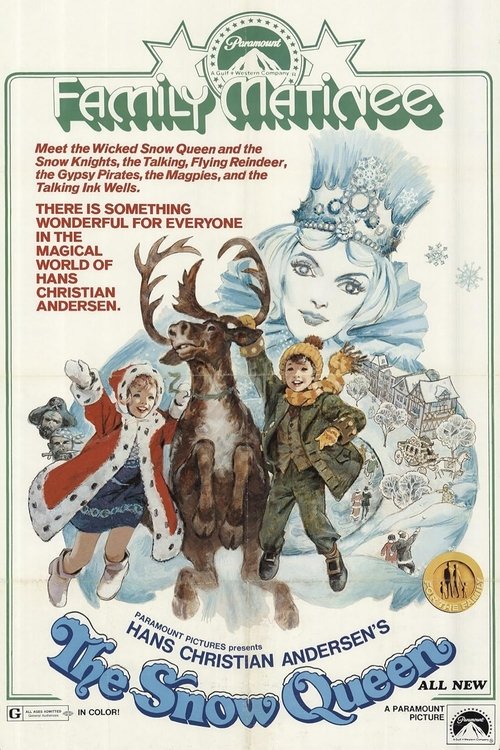
1967
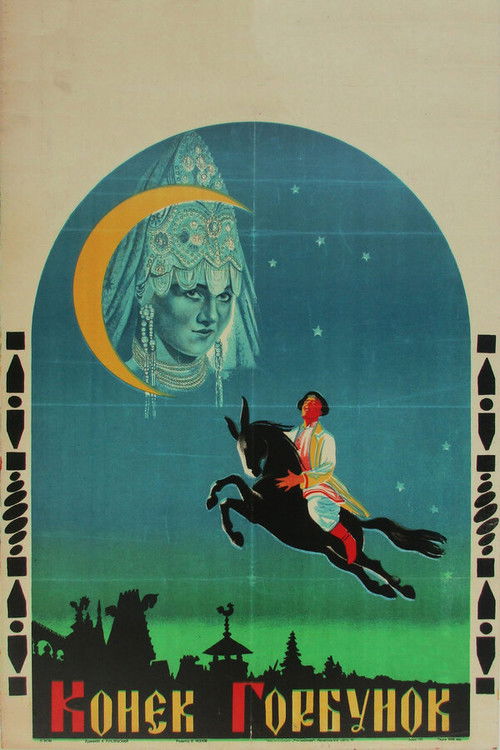
1941
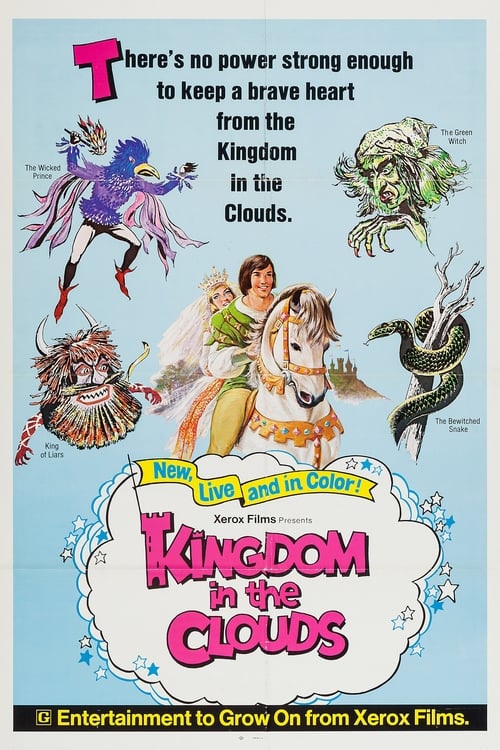
1968
No reviews yet. Be the first to share your thoughts on this movie!
Use the rating form above to leave a star rating and optional review.