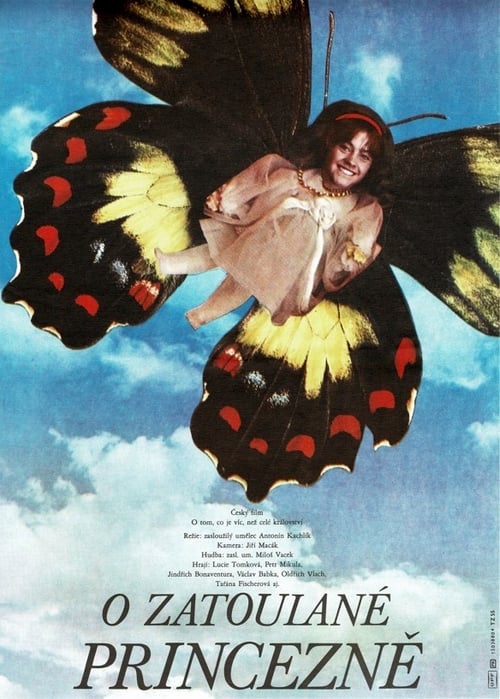
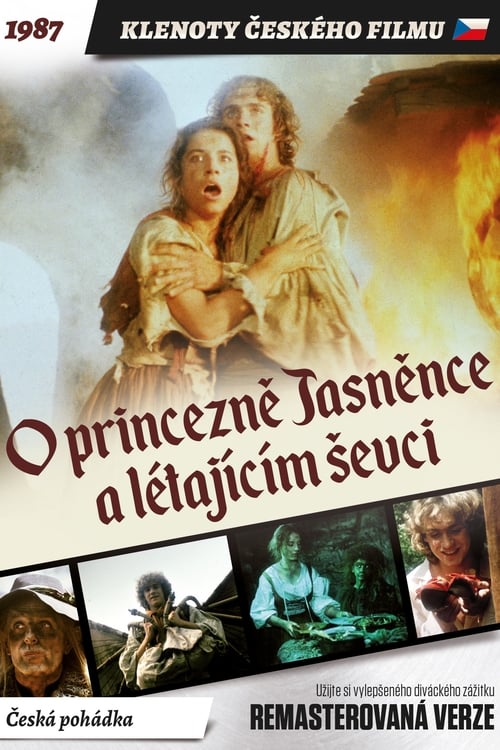
On a Wayward Princess
1987
No user ratings available yet
Representation score: 2.5 out of 10
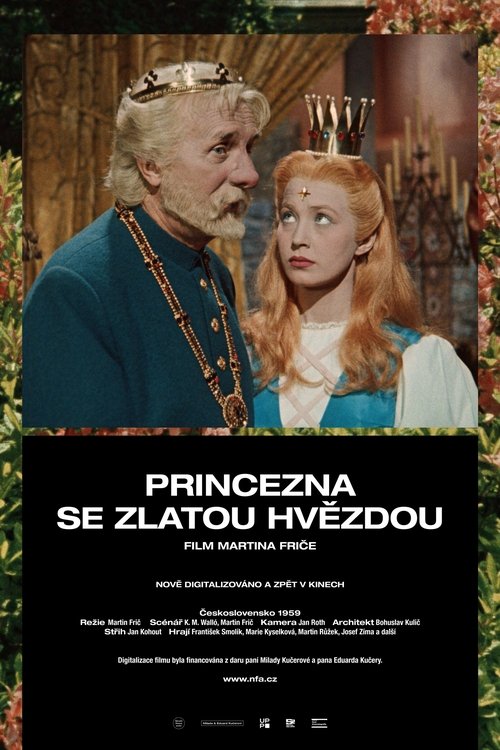
Representation Score
Limited
1959
Director
Martin Frič
Runtime
80 minutes
Average Rating
No ratings yetNew Showbiz Analysis
The film is a period-specific Czech folk narrative that prioritizes classical storytelling over disrupting social hierarchies. While it offers a glimpse of women's ability to drive the story through its protagonist's rebellion against an arranged marriage, the work remains largely tethered to the demographic norms of 1950s European cinema. Representation is limited by the genre's reliance on traditional archetypes. The story lacks diversity in terms of race, sexual orientation, and disability, focusing instead on a localized, homogeneous cultural framework. Ultimately, the film functions as an escapist fantasy. It navigates individual ability to act within a very narrow, traditional social structure, offering little movement toward modern inclusive representation.
Category Breakdown
The film centers around a traditional romantic conflict involving an unwanted marriage. There are no depictions of LGBTQ+ identities or same-sex intimacy within the story.
Princess Lada takes control by escaping her domestic situation to avoid a forced marriage. However, the story remains rooted in traditional struggles over marital arrangements.
The production reflects the demographic homogeneity of mid-century European folk cinema. The setting and cast center on local cultural archetypes without racial blending.
The film follows traditional fairy tale structures emphasizing established social orders. It aligns with classical storytelling values rather than challenging institutionalized domesticity.
The narrative provides no information regarding characters with visible or invisible disabilities.
Present on Screen
Limited or Absent
Official Synopsis
A Czech fairy tale about a princess named Lada who runs away from home in a mouse fur disguise in order to escape an unwanted and forced marriage.
1987
1965
1960
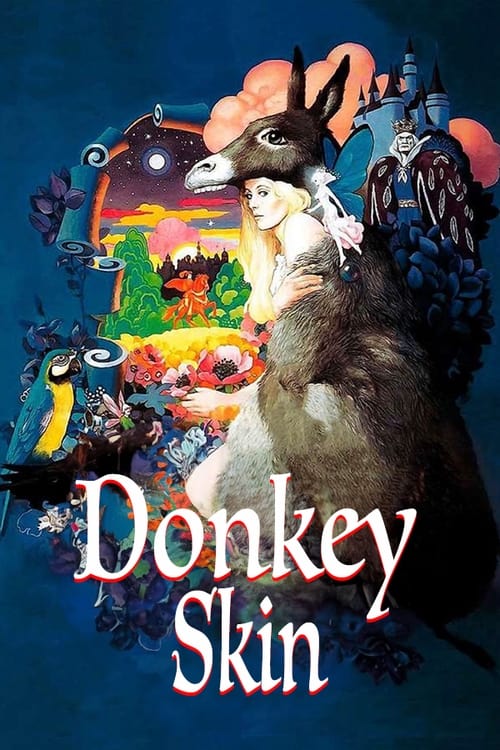
1970
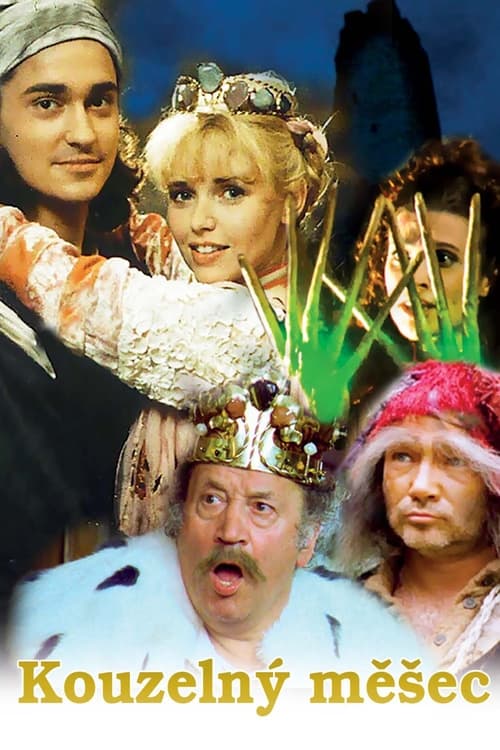
1996
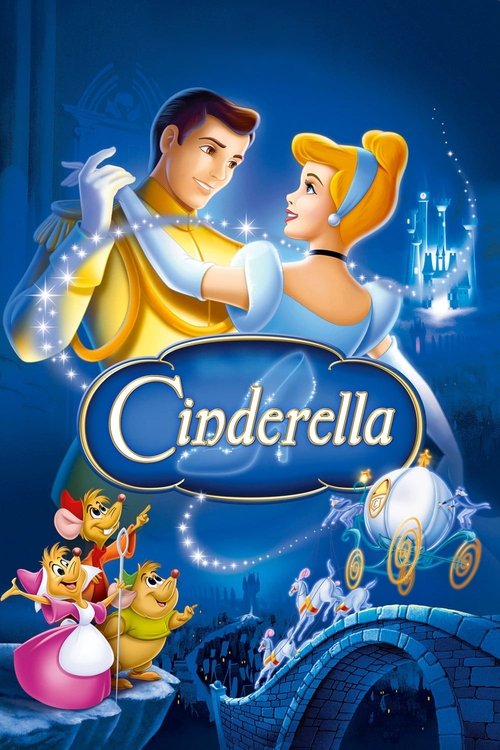
1950
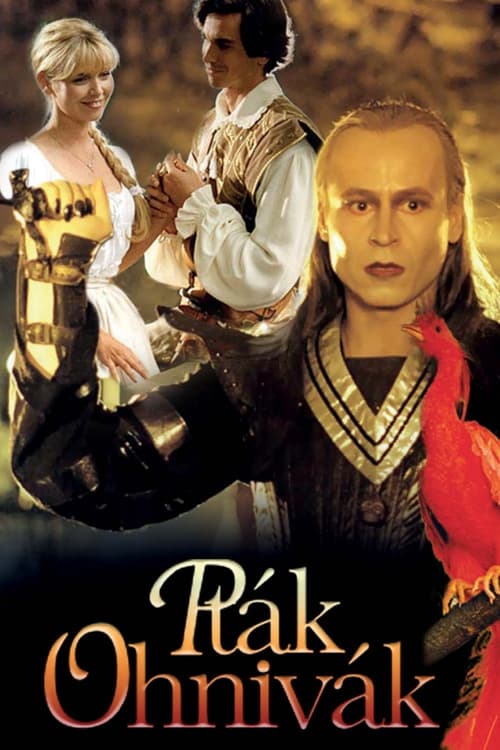
1997
1987
No reviews yet. Be the first to share your thoughts on this movie!
Use the rating form above to leave a star rating and optional review.