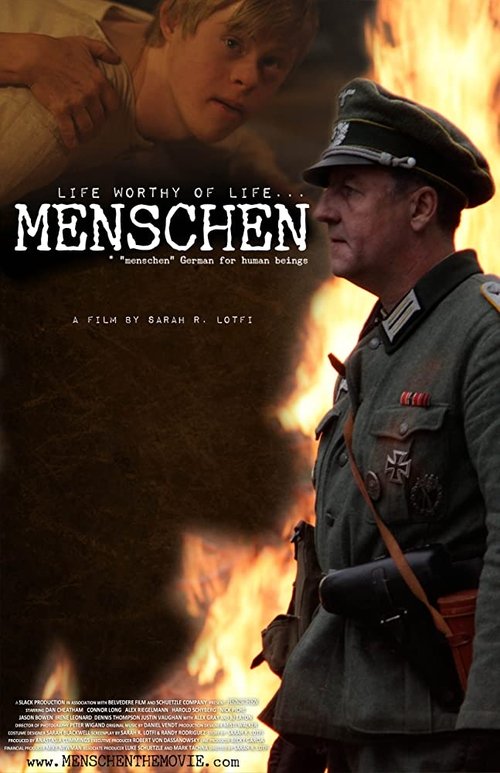
Menschen
2013
No user ratings available yet
Diversity score: 4.2 out of 10

1971
Director
Kostas Karagiannis
Runtime
82 minutes
Average Rating
No ratings yetSynopsis
After the Albanian war, the Kyriakos Platanias xanagyrnaei in the village, his little white, but with many badges and mutilated legs. The father of the delight that was always proud of his son could not bear the situation and resort to drink. Soon, the little white occupy the Germans led by Willy Knut, who behave like the inhabitants of servants. The new slavery is not prepared to accept the delight ...
Overall Score
Fair
Category Breakdown
LGBTQ+ Representation
The film lacks any evidence of LGBTQ+ characters or narratives. It focuses on traditional familial and nationalistic struggles within a 1971 historical context.
Gender Representation
The story centers on the failure of traditional masculine roles. It subverts the invincible patriarch trope by depicting a father succumbing to substance abuse and emotional instability.
Racial & Ethnic Diversity
The narrative uses an ethnic conflict framework to critique occupying power dynamics. It positions the local population as a collective subject of systemic oppression under German rule.
Religious & Cultural Diversity
The film challenges nationalistic pride by focusing on the broken rather than the triumphant. It critiques dominant institutional power through the portrayal of local victimization.
Disability Representation
A central plot driver is the protagonist's physical disability. The film explores the painful realities of living with permanent physical trauma in a post-war society.
Strengths
Areas for Improvement
AI Analysis
28th October, 5:30 is a somber war drama that deconstructs traditional hierarchies of strength. By centering on a disabled child and a failing father, it moves away from conventional wartime glory toward a study of psychological disintegration. The film effectively uses the German occupation to explore themes of subjugation and systemic oppression. It prioritizes the lived experience of the wounded over heroic archetypes. While the narrative offers a nuanced look at trauma, it remains largely focused on male-centric suffering and traditional ethnic conflict frameworks.
2013

1963
1973
1946
1975
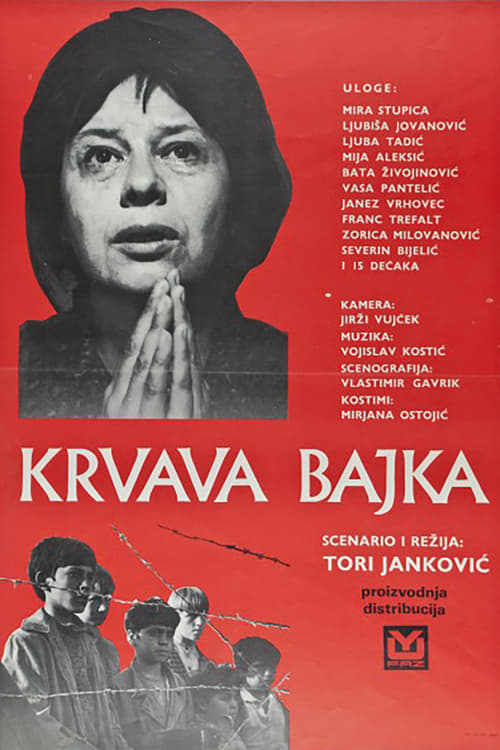
1969
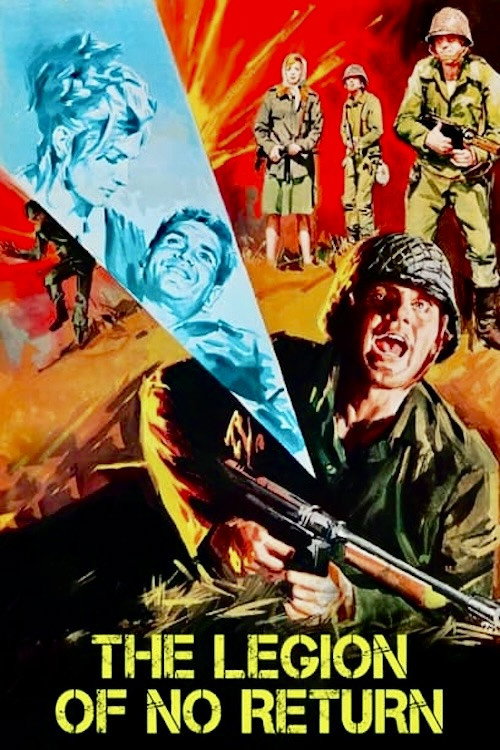
1969
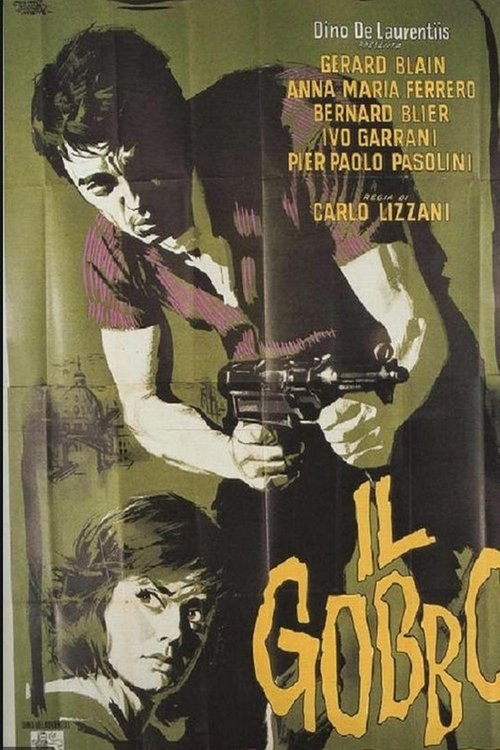
1960
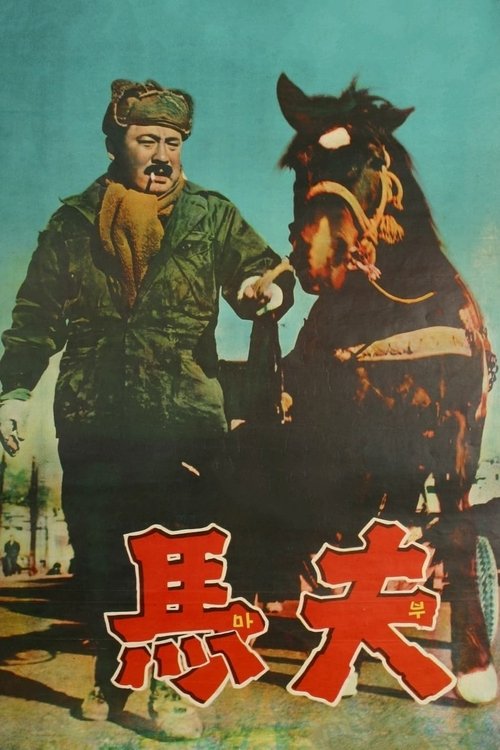
1961
1962
1963
1959
No reviews yet. Be the first to share your thoughts on this movie!
Use the rating form above to leave a star rating and optional review.