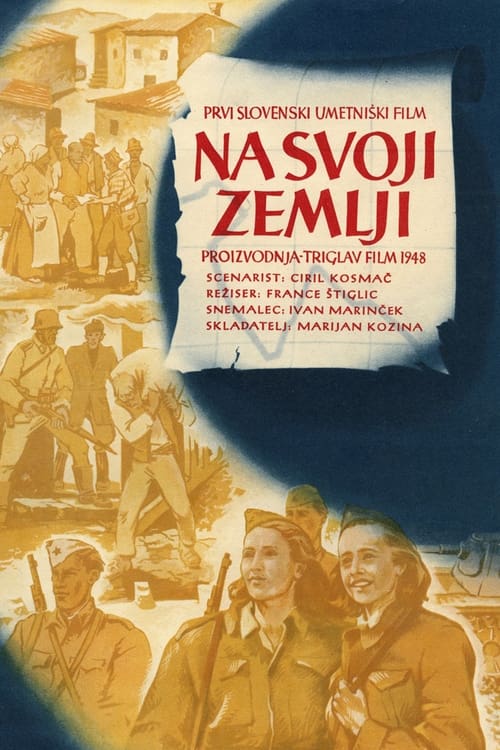
On Our Own Land
1948
No user ratings available yet
Diversity score: 4.5 out of 10

1946
Director
Abram Room
Runtime
85 minutes
Average Rating
No ratings yetSynopsis
Yugoslav farmer-turned-partisan Slavko Babić starts an uprising against the fascist Germans and their allies.
Overall Score
Fair
Category Breakdown
LGBTQ+ Representation
The film lacks LGBTQ+ characters or non-heteronormative narratives. It adheres to the era's focus on wartime mobilization and traditional social cohesion.
Gender Representation
Women likely transition from domestic roles to active resistance participants. The genre typically features female resilience and agency within the revolutionary struggle.
Racial & Ethnic Diversity
The story centers on the ethnic identity and collective agency of the Yugoslav people. It emphasizes regional ethnic solidarity against fascist occupation.
Religious & Cultural Diversity
The narrative celebrates the empowerment of the working class and anti-fascist themes. It critiques established imperialist structures through the lens of a grassroots uprising.
Disability Representation
There is no documented evidence of characters with visible or invisible disabilities serving as central plot devices.
Strengths
Areas for Improvement
AI Analysis
Abram Room’s film is a product of its era, prioritizing collective struggle and the deconstruction of fascist authority. It succeeds in portraying a multi-ethnic partisan movement that challenges systemic oppression and traditional power hierarchies. However, the film is constrained by the social realities of 1946. It lacks intersectional nuance and provides no representation for LGBTQ+ identities or characters with disabilities. Ultimately, the work functions as a culturally focused narrative of resistance, elevating the marginalized partisan class while remaining within the ideological frameworks of Socialist Realism.
1948
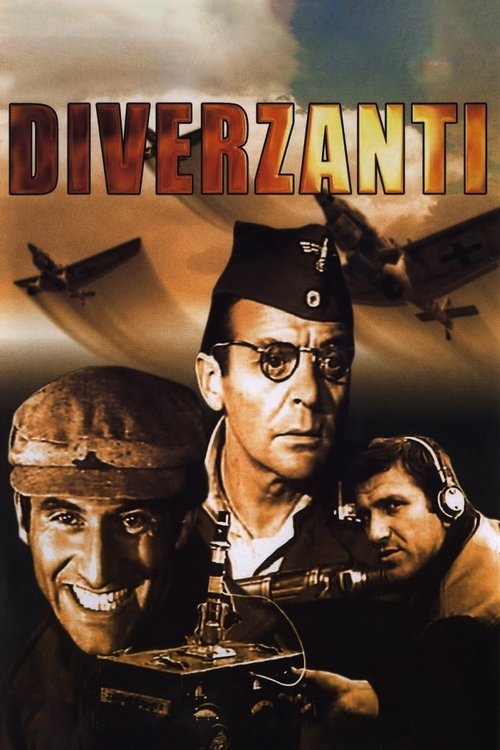
1967

1976
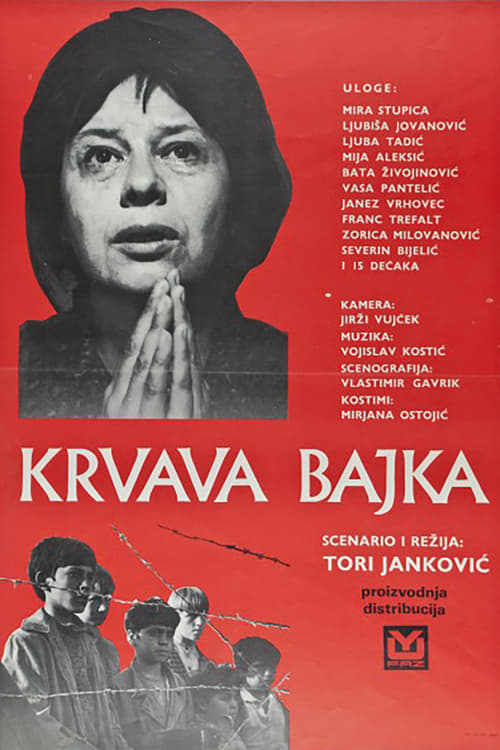
1969
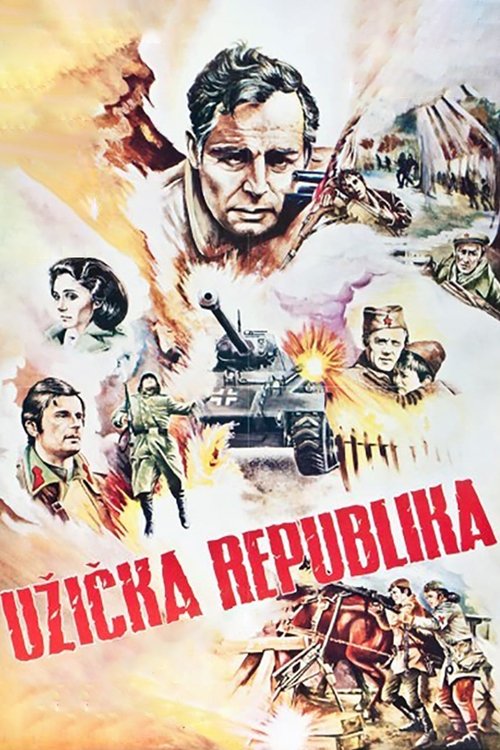
1974
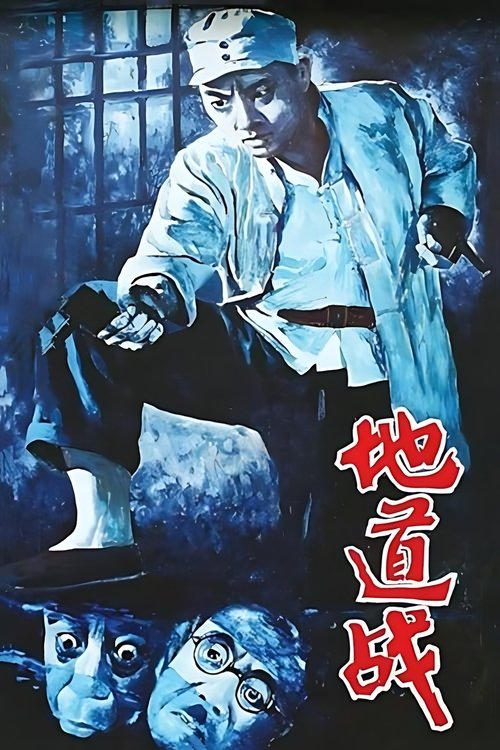
1965
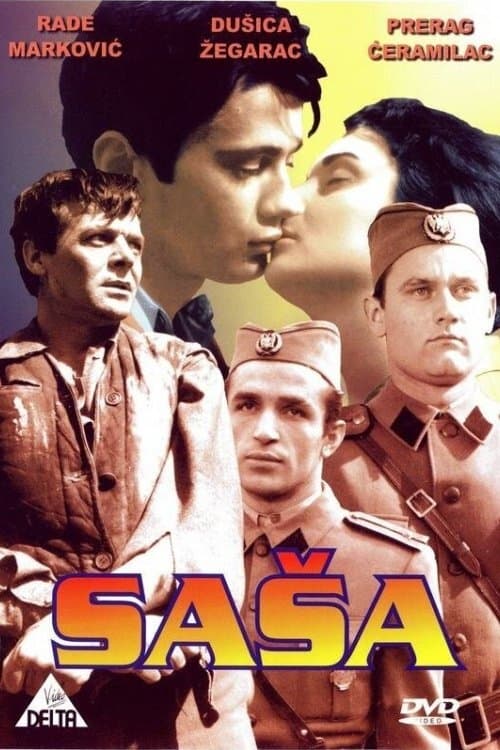
1962
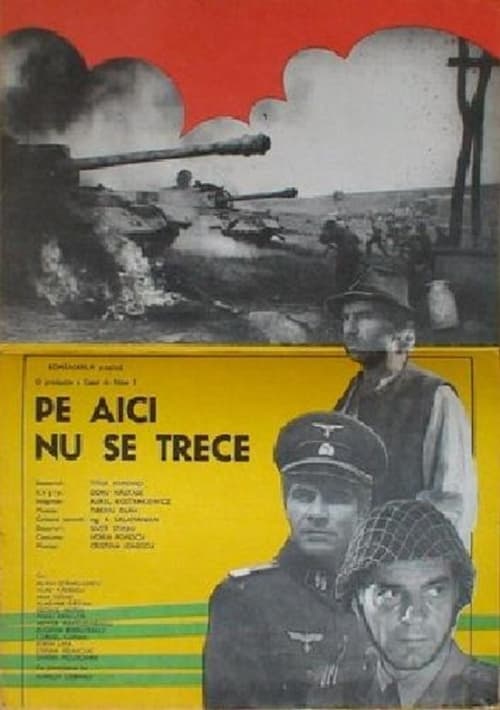
1975

1963
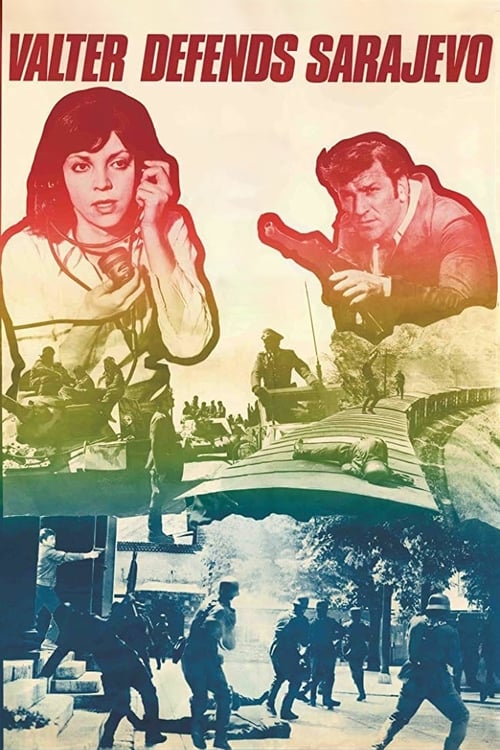
1972
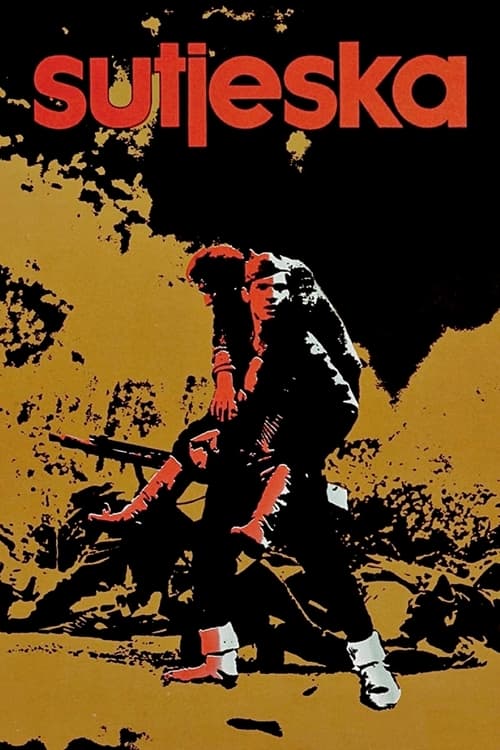
1973
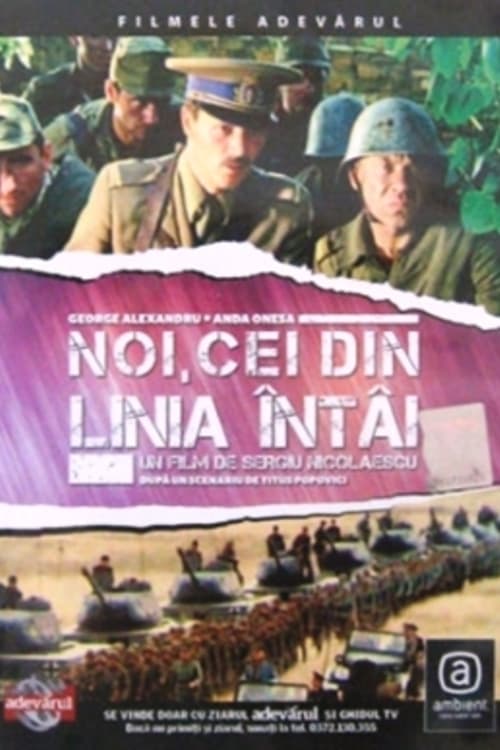
1985
No reviews yet. Be the first to share your thoughts on this movie!
Use the rating form above to leave a star rating and optional review.