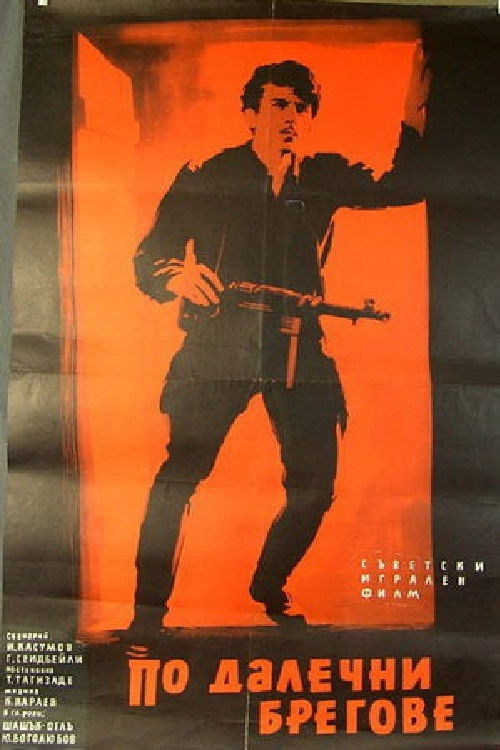
On Distant Shores
1958
No user ratings available yet
Representation score: 4.5 out of 10
Representation Score
Good
1960
Director
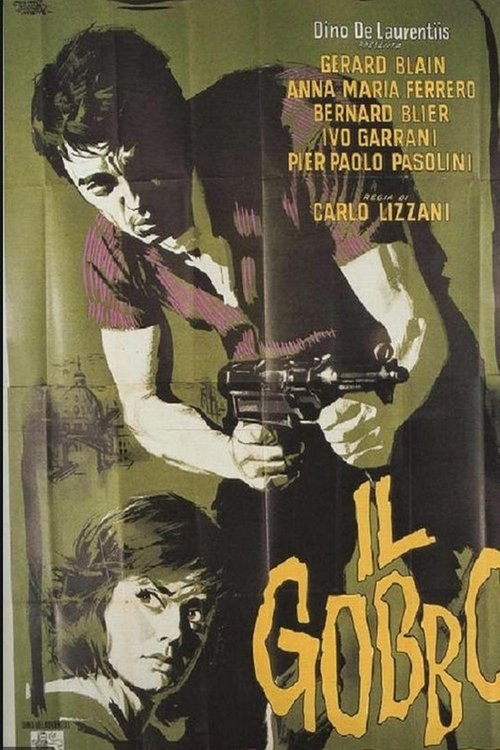
Carlo Lizzani
Runtime
96 minutes
Average Rating
No ratings yetNew Showbiz Analysis
Lizzani’s adaptation uses its historical setting to critique institutional power and social hierarchies. By focusing on characters on the fringes of society, the film goes beyond typical period clichés to explore themes of exclusion and corruption. However, the film adheres to traditional gender dynamics and lacks any representation of LGBTQ+ identities. While it offers a sophisticated critique of religious authority, the romantic dynamics remain strictly conventional. Ultimately, the film balances historical social norms with a nuanced exploration of ethnic and physical outsiderhood, providing a complex portrait of justice and authority.
Category Breakdown
The film does not include explicit representations of LGBTQ+ identities or same-sex relationships. The romantic dynamics are centered around heterosexual relationships, particularly the unrequited love between Quasimodo and Esmeralda.
The story follows a patriarchal structure where male characters drive the plot. Although Esmeralda has a strong emotional presence, she is often portrayed as an object of desire and vulnerability.
Esmeralda’s portrayal as a Romani woman adds important representation. By centering a character from a underrepresented ethnic group, the film addresses the homogeneity of the 15th-century Parisian setting.
The film critiques Western institutions by depicting religious hypocrisy through Frollo. It highlights the socioeconomic divide between the clergy and the poor, challenging the perceived infallibility of the Church.
Quasimodo’s physical disability is central to his identity as a social outsider. The film gives him a significant role in driving the story and emotional depth, avoiding the stereotype of treating his condition as a mere caricature.
Present on Screen
Limited or Absent
Official Synopsis
Alvaro Cosenza, also known as the Hunchback from Quarticciolo, during Rome's occupation by Nazis in 1943, decides to revolt.
1958
1945
1962
1959
1976
1996
1961
1963
No reviews yet. Be the first to share your thoughts on this movie!
Use the rating form above to leave a star rating and optional review.