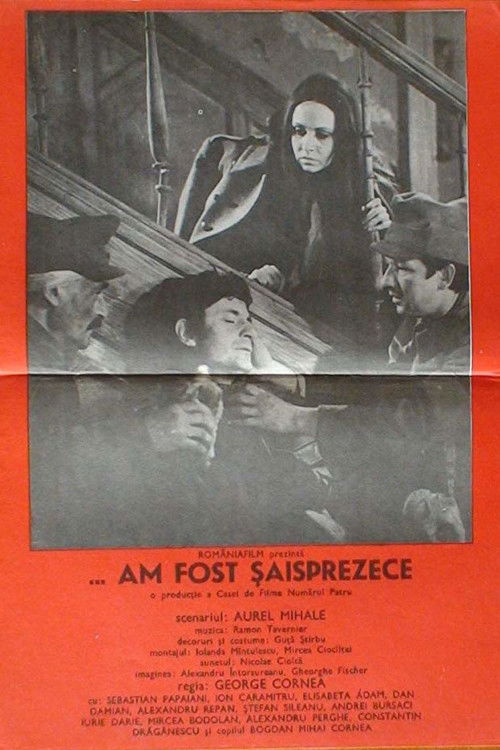
We Were Sixteen
1980
No user ratings available yet
Representation score: 4.7 out of 10
Representation Score
Limited
1975
Director
Doru Năstase
Runtime
152 minutes
Average Rating
No ratings yetNew Showbiz Analysis
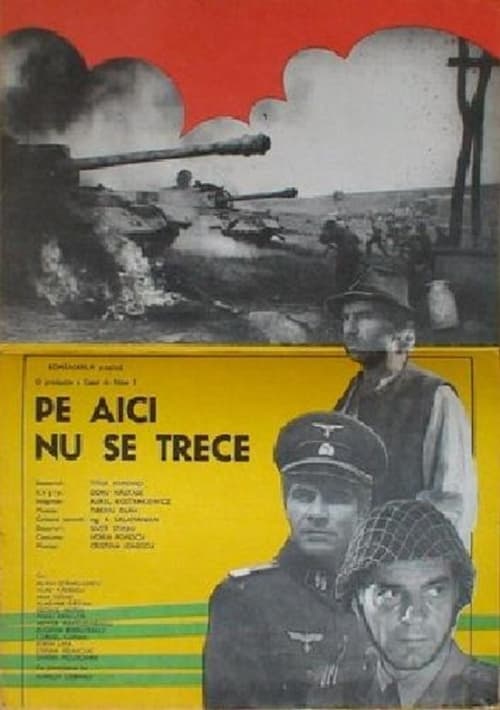
No Trespassing is a historical war drama set in Romania during World War II. It focuses on the experiences of student-soldiers fighting against Nazi forces. The film successfully portrays the collective resistance and anti-fascist ideals of the time. However, the film’s scope is limited in terms of diversity. It primarily reflects the traditional gender roles and racial homogeneity of the period, offering little representation for women, LGBTQ+ individuals, or diverse ethnic groups.
Category Breakdown
The film does not include any LGBTQ+ characters or stories that go beyond the assumption that everyone is straight. The historical context focuses on the bonds between soldiers rather than exploring queer identities.
The main roles are played by male characters, emphasizing traditional masculinity and leadership. This reinforces the idea that men are the primary drivers of the story.
The cast is mainly made up of actors from the same region, reflecting the local context of the Battle of Păuliș. There is no significant diversity in terms of race or ethnicity.
The story centers around the collective struggle against Nazi occupation and promotes a secular, state-focused morality. It does not highlight religious or traditional cultural hierarchies.
There are no mentions of characters with visible or invisible disabilities. The available information does not provide enough detail to assess this category.
Present on Screen
Limited or Absent
Official Synopsis
In August 1944, students at the military school for officers must defend the country's border from the Nazis during the Battle of Păuliș in Romania's northwestern border.
1980
1959
1985
2010

1987

1980

1940
1982
No reviews yet. Be the first to share your thoughts on this movie!
Use the rating form above to leave a star rating and optional review.