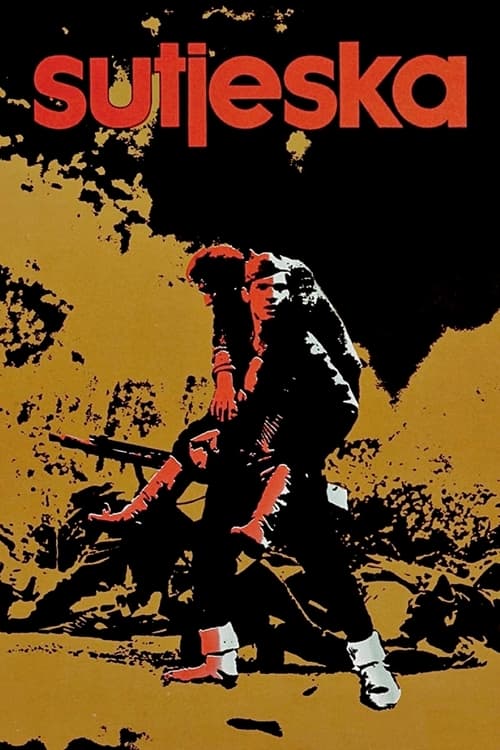
The Battle of Sutjeska
1973
No user ratings available yet
Diversity score: 5.7 out of 10

1963
Director
Fadil Hadžić
Runtime
101 minutes
Average Rating
No ratings yetSynopsis
German forces in Yugoslavia set out to destroy the stronghold of Tito with a traitor's help, but are overcome by Partisan resistance.
Overall Score
Fair
Category Breakdown
LGBTQ+ Representation
The film adheres to the conventions of 1960s Socialist Realism. It contains no discernible presence of queer themes or non-cisnormative identities.
Gender Representation
Women are integrated into combatant and logistical roles rather than being relegated to passive victims. This subverts traditional domestic hierarchies by granting women agency within the resistance.
Racial & Ethnic Diversity
The production utilizes a multi-ethnic ensemble of Serbs, Croats, and Bosniaks. This casting serves as a metaphor for a unified, post-nationalist identity that deconstructs ethnic silos.
Religious & Cultural Diversity
The narrative prioritizes secular, anti-capitalist sentiment over religious morality. It frames the conflict as a struggle for systemic liberation against corrupt, occupying structures.
Disability Representation
Representation is minimal, as the story focuses on the physical vigor required for partisan warfare. No characters with disabilities appear as central or nuanced figures.
Strengths
Areas for Improvement
AI Analysis
The film is a powerful exercise in social architecture, using the historical Axis assault to promote a unified, multi-ethnic identity. By casting a diverse ensemble, it successfully challenges ethnic homogeneity in favor of a collective revolutionary front. However, the work is limited by the era's ideological constraints. It lacks any exploration of LGBTQ+ identities and provides very little representation for characters with disabilities, focusing instead on the physical demands of combat. While gender roles are expanded beyond traditional domesticity, the film remains primarily a vehicle for wartime mobilization. It excels in ethnic and cultural critique but lacks contemporary nuance in individual identity representation.
1973
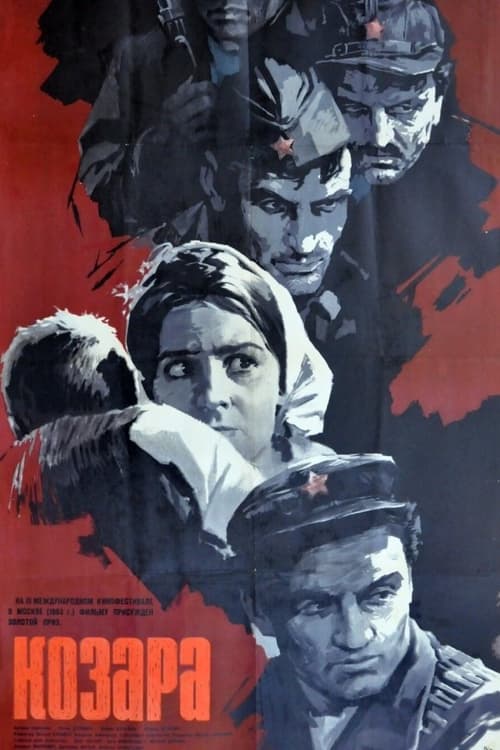
1962
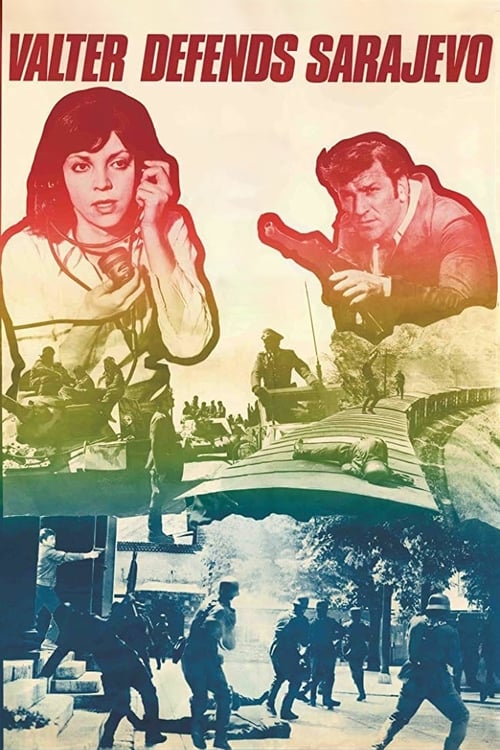
1972
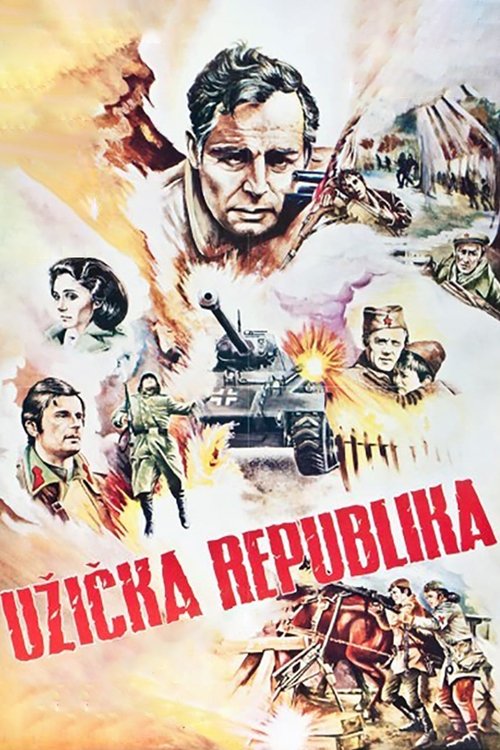
1974
1948
1967
1946
1966
1965
1962

1976
1969
No reviews yet. Be the first to share your thoughts on this movie!
Use the rating form above to leave a star rating and optional review.