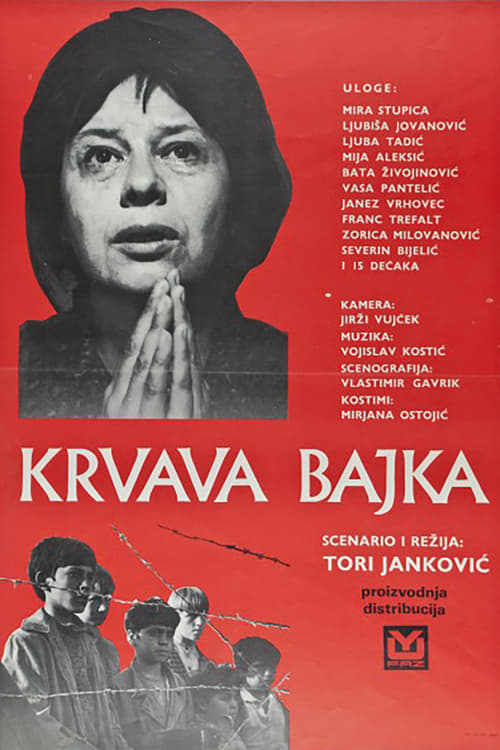
A Bloody Tale
1969
No user ratings available yet
Diversity score: 5.6 out of 10
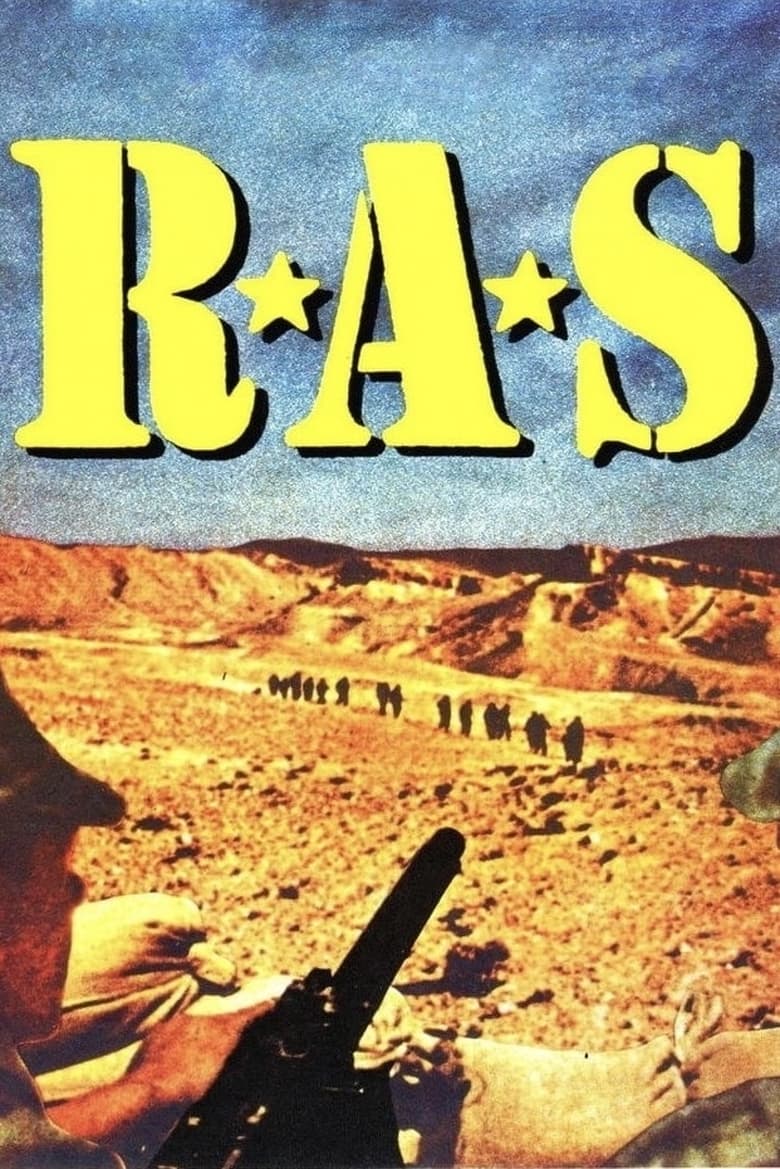
1973
Director
Yves Boisset
Runtime
110 minutes
Average Rating
No ratings yetSynopsis
In 1956, the professional army of France lacks the manpower to keep the peace in Algeria, the colony which the country is determined to hold on to at any price. For this reason, reservists are called up and subject to an intense period of training before being sent to the front. Rémy March, Alain Charpentier and Raymond Dax are three such young men who have no interest in the military escapade and are reluctant conscripts. What they witness in Algeria will appall and transform them. Rape, torture, executions... there is no end to the atrocities in which they become unwilling participants. No wonder the French military are so willing to proclaim that there is nothing to report...
Overall Score
Fair
Category Breakdown
LGBTQ+ Representation
The film centers on a hyper-masculine military environment. It lacks explicit LGBTQ+ identities or non-heteronormative themes, though it avoids derogatory tropes.
Gender Representation
The narrative operates within a patriarchal framework focused on male conscripts. It subverts traditional masculinity by portraying soldiers as morally conflicted victims rather than heroic leaders.
Racial & Ethnic Diversity
The film engages deeply with the realities of colonial occupation in Algeria. It prioritizes the lived experiences of the oppressed to critique systemic imperial violence.
Religious & Cultural Diversity
This work offers a profound critique of Western institutional morality. It rejects nationalistic exceptionalism by framing the colonial project as a source of atrocity.
Disability Representation
War-induced physical and psychological trauma are depicted as consequences of violence. However, the film lacks a nuanced study of disability identity or neurodivergence.
Strengths
Areas for Improvement
AI Analysis
Nothing to Report is a powerful deconstruction of colonial authority and state deception. It succeeds by centering the atrocities of the Algerian conflict, providing a necessary counter-narrative to sanitized military histories. The film's focus on the systemic violence inflicted upon the colonized population gives it significant progressive value. However, the film remains limited by its narrow demographic focus. The setting is almost exclusively male-dominated, offering little visibility for women or LGBTQ+ identities. While it subverts masculine tropes, it does not expand the narrative's intersectional scope. Ultimately, the film's strength lies in its anti-imperialist stance. It trades traditional patriotic glory for a harrowing look at institutional corruption and the human cost of empire.
1969
1978
1971
1964
1980

1972
1962
1953

2016
1970
1975
1974
No reviews yet. Be the first to share your thoughts on this movie!
Use the rating form above to leave a star rating and optional review.