The Taebaek Mountains
1994
No user ratings available yet
Diversity score: 4.5 out of 10
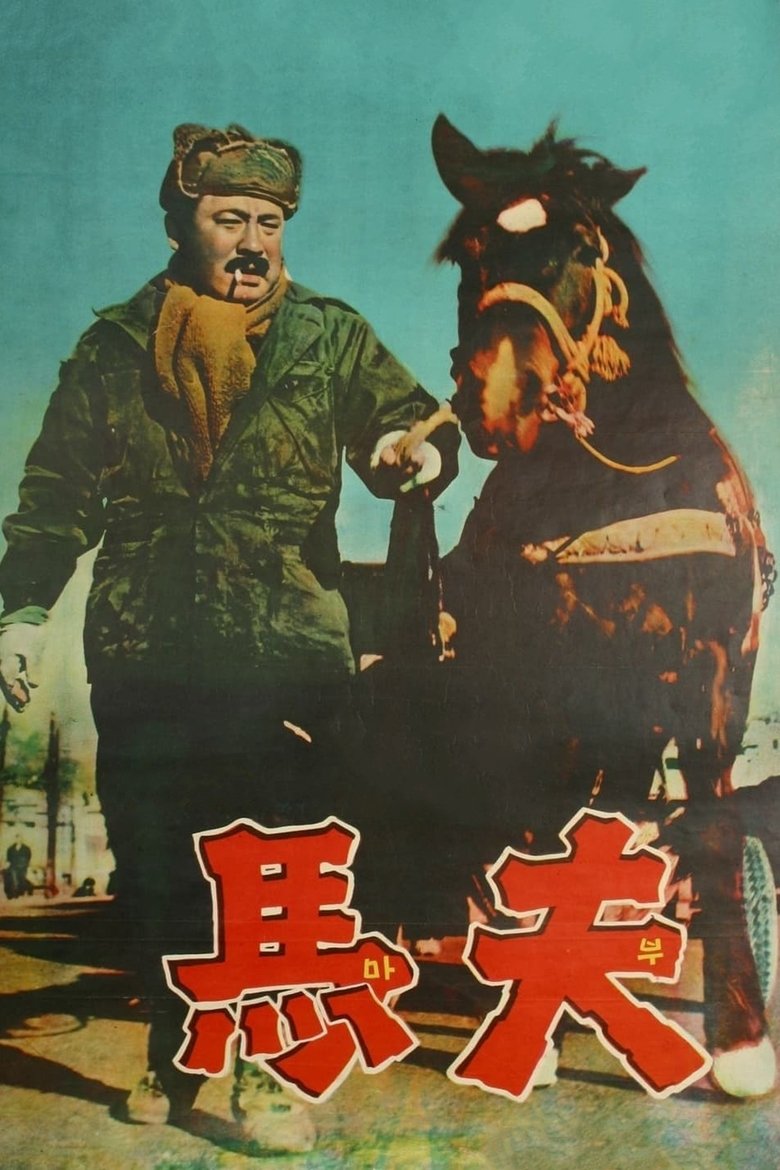
1961
Director
Kang Dae-jin
Runtime
98 minutes
Average Rating
No ratings yetSynopsis
A man tries to raise his two sons and two daughters under some of the most adverse conditions known to man. The father operates a horse-drawn cart, but in a city that is modernizing after the destruction of the Korean War, automobiles are making carts obsolete. The children are experiencing difficulties as well. The eldest son has flunked the bar exam twice and is not hopeful of passing it a third time to become a lawyer. The eldest daughter is mute and married to an abusive husband. The younger daughter tries to pose as a rich university student to move up in life. The youngest son has a penchant for petty theft.
Overall Score
Fair
Category Breakdown
LGBTQ+ Representation
The film focuses on traditional familial structures. There is no evidence of LGBTQ+ characters or narratives addressing non-cisnormative identities.
Gender Representation
The narrative critiques domestic power dynamics through the eldest daughter's experience with an abusive husband. However, the father remains the central figure, suggesting a reliance on patriarchal leadership.
Racial & Ethnic Diversity
As a South Korean production, the film presents a culturally homogeneous cast. It serves as a vital document of Korean identity during a period of intense Western-influenced modernization.
Religious & Cultural Diversity
The story explores how rapid modernization and capitalism disrupt the idealized family unit. It portrays the transition from horse-drawn carts to automobiles as a source of systemic displacement.
Disability Representation
The inclusion of a mute daughter provides representation of a physical disability. However, she appears to function as a symbol of pathos within the context of social hardship.
Strengths
Areas for Improvement
AI Analysis
The Coachman is a social realist drama that prioritizes the study of systemic economic shifts over identity-centric representation. It captures the friction between tradition and a modernizing South Korea, focusing on how a family unit fractures under the pressure of capitalism. While the film lacks modern intersectional diversity, it offers a nuanced look at social displacement. The characters represent various facets of struggle, from academic failure to the vulnerability of women in patriarchal structures. Ultimately, the film's strength lies in its critique of how modernization dismantles traditional hierarchies, even if its depictions of gender and disability remain rooted in the tropes of its era.
1994
1965

1957
1974
1970

1965
2017
1972
1944
1955
1953

1951
No reviews yet. Be the first to share your thoughts on this movie!
Use the rating form above to leave a star rating and optional review.