
Flame of Araby
1951
No user ratings available yet
Representation score: 2.1 out of 10
Representation Score
Minimal
1949
NRDirector
Charles Lamont
Runtime
82 minutes
Average Rating
No ratings yetNew Showbiz Analysis
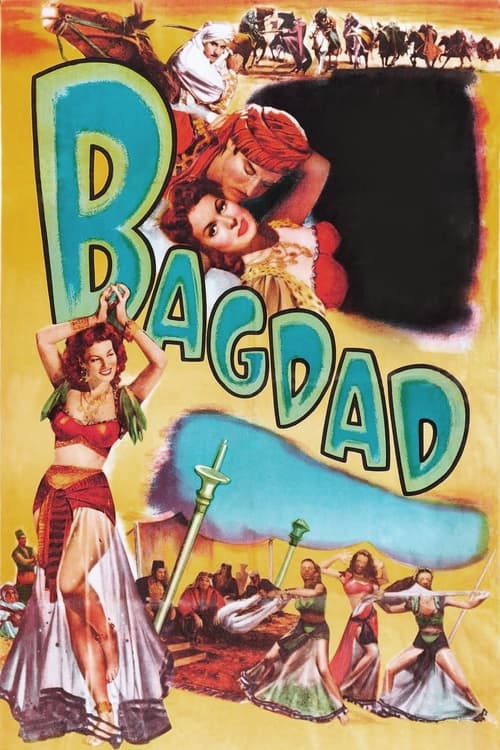
Bagdad (1949) operates as a traditional mid-century adventure-comedy focused on escapism rather than social commentary. While it features a female protagonist driving the plot, the narrative stays rooted in the era’s established genre clichés. The film’s use of a Middle Eastern setting aligns with Orientalist cinematic traditions. Instead of offering nuanced cultural representation, the setting serves as a backdrop for a Western-centric adventure led by familiar Hollywood archetypes. Overall, the production does not aim for characters who reflect more than one aspect of diversity or disruption of social hierarchies. It adheres to the standard cinematic conventions of its time, emphasizing comedic chaos and traditional storytelling.
Category Breakdown
The film does not include any LGBTQ+ characters or narratives. It follows the traditional romantic and social structures common in the 1940s.
Maureen O'Hara plays a central character motivated by vengeance for her father. However, her role is tied to traditional gender clichés related to familial honor rather than challenging gender hierarchies.
The Middle Eastern setting serves mainly as an aesthetic backdrop for Western-led adventure. The film relies on established Hollywood archetypes without providing nuanced depictions of Middle Eastern identities.
Cultural elements are used as aesthetic texture within a standard adventure-comedy framework. The narrative follows traditional Western storytelling patterns without offering a critical perspective or moral relativism.
There are no characters with visible or invisible disabilities portrayed with significant roles in the story.
Present on Screen
Limited or Absent
Official Synopsis
An Arab sheik's daughter (Maureen O'Hara) avenges his death, blamed on Hassan (Paul Christian) and his Black Riders.
1951
1924
1936
1959

1953
1952

1953
1950
No reviews yet. Be the first to share your thoughts on this movie!
Use the rating form above to leave a star rating and optional review.