The Avengers
1950
No user ratings available yet
Diversity score: 2.8 out of 10
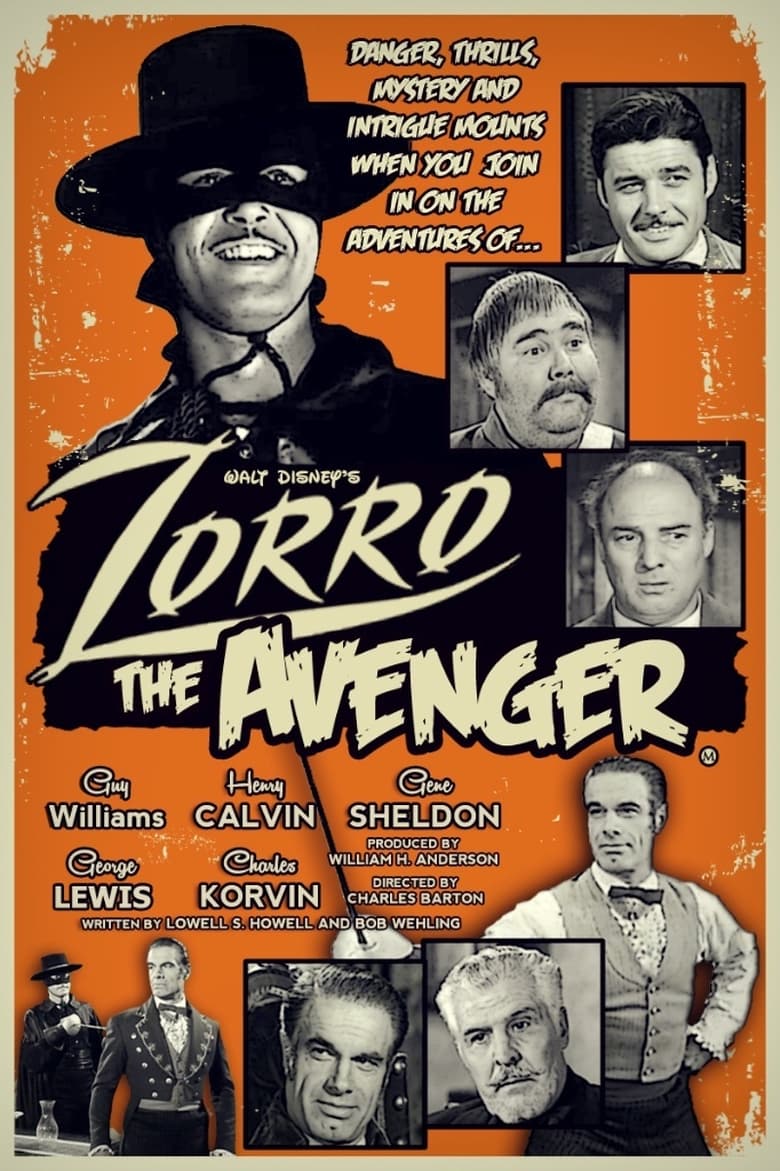
1959
Director
Charles Barton
Runtime
120 minutes
Average Rating
No ratings yetSynopsis
Masked crusader Zorro and his father, Don Alejandro, face off against mysterious despot The Eagle in a fight for control of old Spanish California.
Overall Score
Limited
Category Breakdown
LGBTQ+ Representation
The film adheres to strict heteronormative structures. There is no presence of non-cisnormative identities or same-sex intimacy.
Gender Representation
Female characters like Lolita serve primarily as romantic interests and catalysts for the hero. The film fails the Bechdel test, as women lack agency and dialogue centers on men.
Racial & Ethnic Diversity
The story focuses heavily on Euro-descendant protagonists within the hidalgo class. While the setting implies diversity, central agency remains concentrated among the colonial elite.
Religious & Cultural Diversity
The narrative critiques corrupt authority through individual heroism rather than systemic critique. It maintains a conventional moral framework without deconstructing social orders.
Disability Representation
There are no depictions of visible or invisible disabilities. Characters with disabilities are not used as central narrative elements or plot devices.
Strengths
Areas for Improvement
AI Analysis
Zorro, the Avenger is a classic mid-century adventure that prioritizes traditional heroism over social complexity. The narrative relies on established hierarchies, offering little room for marginalized voices or subversive themes. While the film addresses the abuse of power by colonial officials, it frames justice through the lens of a singular masked vigilante. This approach avoids a deeper critique of the institutions themselves. Ultimately, the film functions as a standard genre piece. It reflects the cinematic conventions of 1959 by maintaining rigid gender roles and a Eurocentric focus on the ruling class.
1950
1965
1960
1958
1960
1949

1951
1953

1953
1961
1966
1952
No reviews yet. Be the first to share your thoughts on this movie!
Use the rating form above to leave a star rating and optional review.