
Savulun Battal Gazi Geliyor
1973
No user ratings available yet
Representation score: 2.3 out of 10

Representation Score
Minimal
1973
Director
Natuk Baytan
Runtime
0 minutes
Average Rating
No ratings yetNew Showbiz Analysis
Natuk Baytan’s adventure epic follows a classic heroism and national mythos framework. The story prioritizes traditional social hierarchies and the preservation of the family unit through a lens of vengeance. The film reinforces historical archetypes rather than exploring progressive social themes. It relies on a clear 'us vs. them' dynamic rooted in religious and territorial conflict, offering little disruption to established norms.
Category Breakdown
The film focuses on traditional family roles such as marriage and fatherhood. It does not include any representations of LGBTQ+ identities or non-cisgender gender expressions.
The story centers around male-driven conflict and physical strength. Women and children appear but mainly act as catalysts for the male protagonist's quest for vengeance, rather than as independent actors.
The narrative presents a geopolitical conflict between Byzantine and local forces using historical and folkloric archetypes. It does not explore modern concepts of multi-layered identity.
The plot highlights traditional values like honor and family sanctity. It celebrates traditional heroism and moral clarity without questioning established religious or imperial institutions.
There are no clear depictions of physical or neurodivergent disabilities. The plot includes temporary manipulation through drugging and hypnotism but does not address permanent disabilities.
Present on Screen
Limited or Absent
Official Synopsis
After the Byzantine emperor's brother, Knight Alyon, is killed, Knight Andrea swears revenge and decides to take revenge on Battal Gazi. He first kills Ahmet Turani, then raids the village where Battal lives and the banquet hall, killing people. After killing his wife and kidnapping his beloved child, Battal Gazi takes revenge on the Byzantines. Battal Gazi, who had imposed tribute on the Byzantines and inflicted heavy losses with his incredible bravery, suffers an unexpected blow. The Byzantines set a trap for Cengaver, killing his wife and kidnapping his child. By drugging his son and hypnotizing him to turn him against his father, the Byzantines aim to pit father and son against each other. The young child is raised to believe he is the son of the Byzantine Alyon and to seek revenge on Battal Gazi, whom he believes to be his father's killer. Battal Gazi, however, swears to rescue his son at any cost and to mete out the punishment the Byzantines deserve.
1973

1964
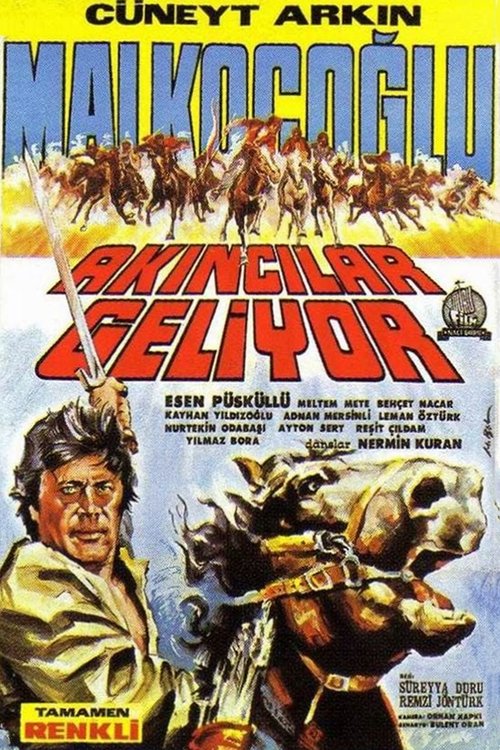
1969
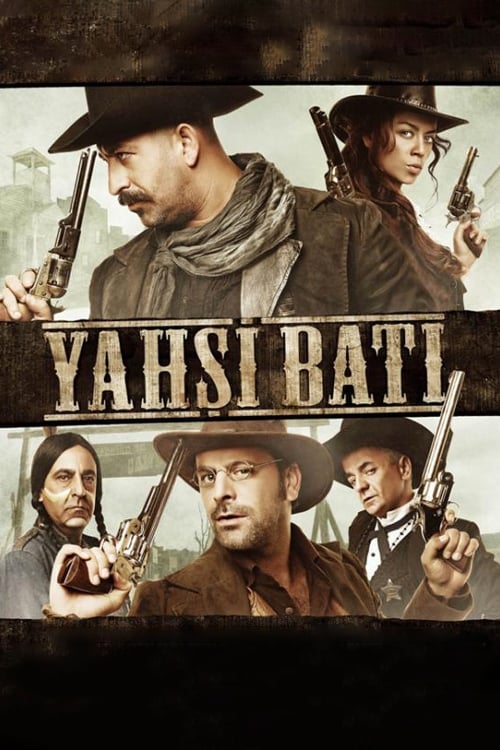
2009
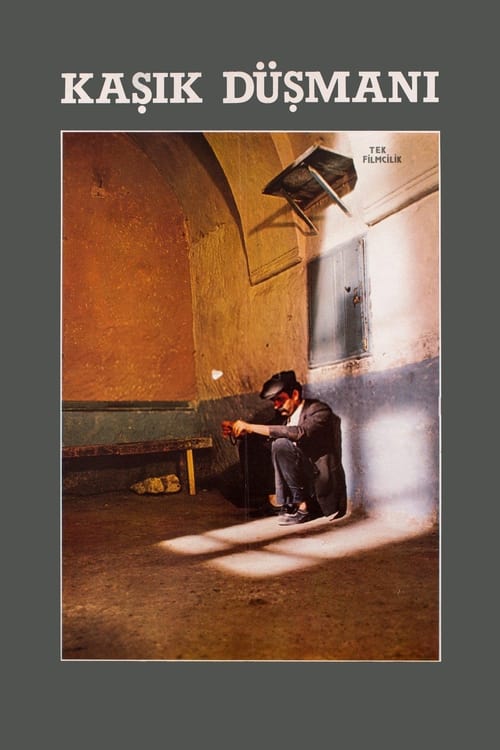
1984
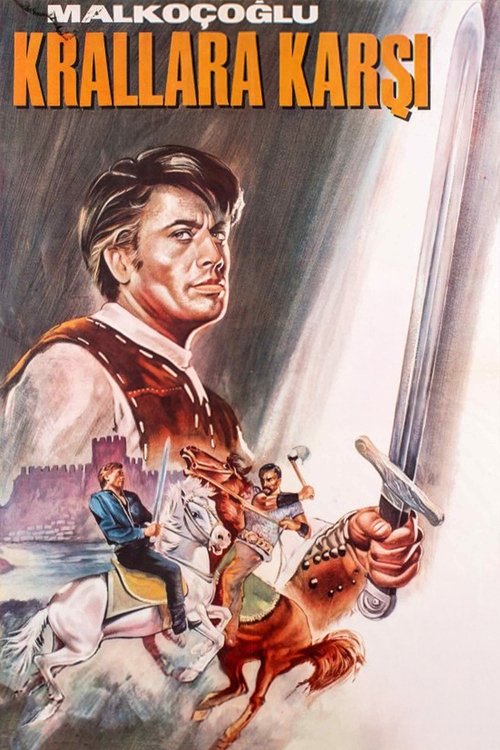
1967
1971

1964
No reviews yet. Be the first to share your thoughts on this movie!
Use the rating form above to leave a star rating and optional review.