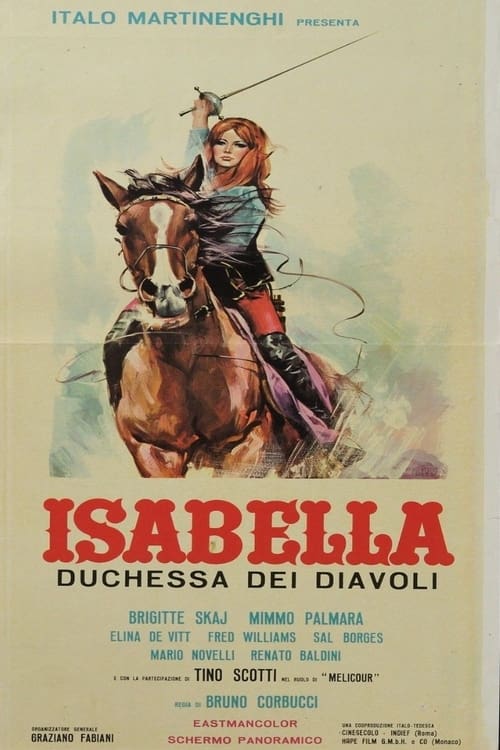
Isabella, Duchess of the Devils
1969
No user ratings available yet
Representation score: 1.7 out of 10
Representation Score
Limited
1952
K-16Director
Fernando Cerchio
Runtime
78 minutes
Average Rating
No ratings yetNew Showbiz Analysis
Son of the Hunchback is a product of its time, reinforcing mid-20th-century social and cultural norms. While it centers a protagonist with a physical disability, it lacks multi-layered complexity. The film relies on traditional archetypes and classical narrative structures, avoiding subversion of patriarchal norms or disruption of historical racial homogeneity.
Category Breakdown
The film does not include any LGBTQ+ characters or identities outside of traditional heterosexual relationships. It adheres to the conventional romantic structures typical of 1950s Italian adventure cinema.
Female characters play traditional melodramatic roles, often serving as romantic interests or plot catalysts for the male lead. The film upholds traditional gender hierarchies without giving women independent roles.
Set in ancient Rome, the film depicts a homogeneous society with no evidence of race-bent casting or efforts to disrupt historical racial hierarchies.
The story emphasizes classical themes of destiny, revenge, and honor, adhering to the moral clarity and traditional justice systems common to mid-20th-century adventure storytelling.
The protagonist is defined by a physical deformity, which plays a central role in the plot. However, the portrayal may rely on disability as a melodramatic cliché to highlight themes of suffering.
Present on Screen
Limited or Absent
Official Synopsis
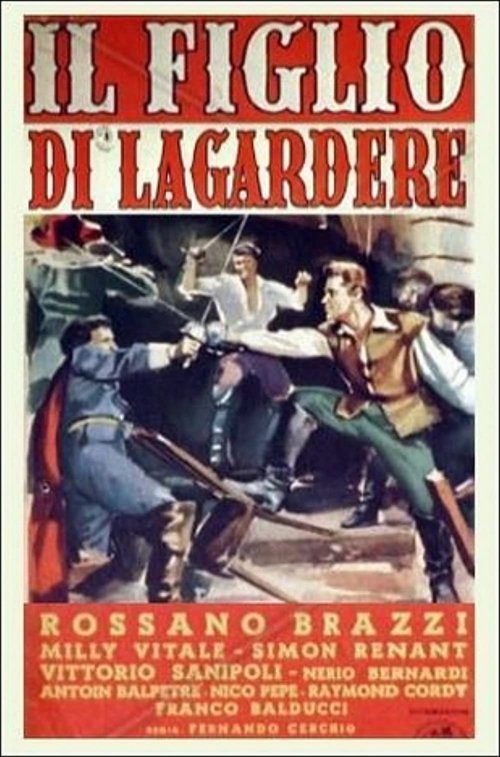
20 years after the assassination of his father, the son of Lagardère seeks revenge.
1969
1924
1936
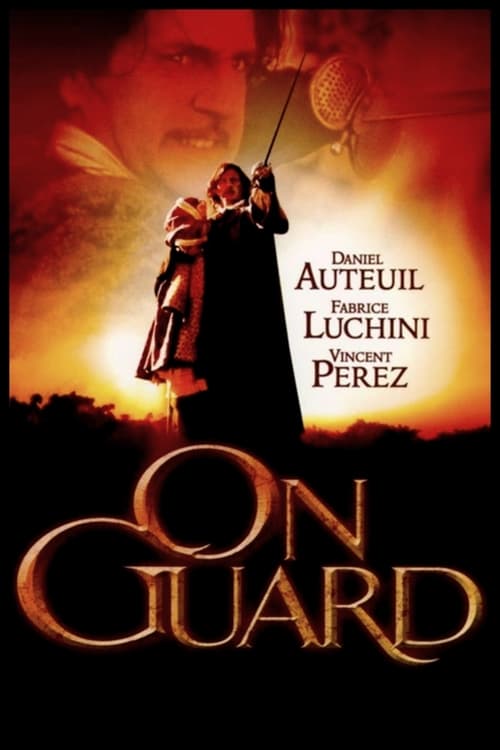
1997
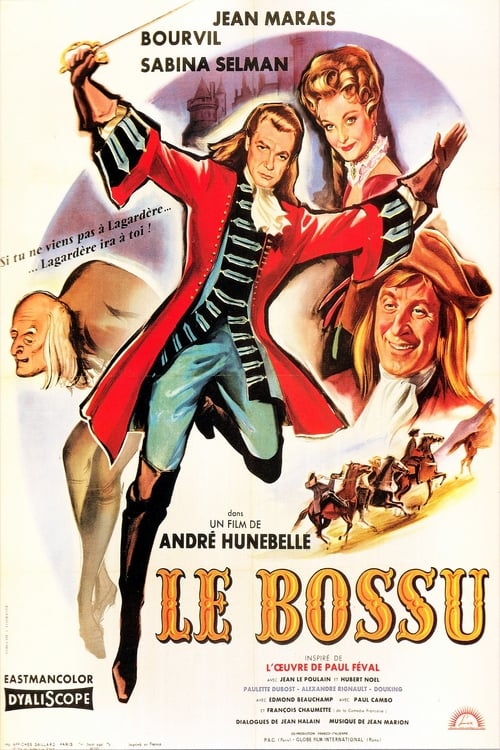
1959
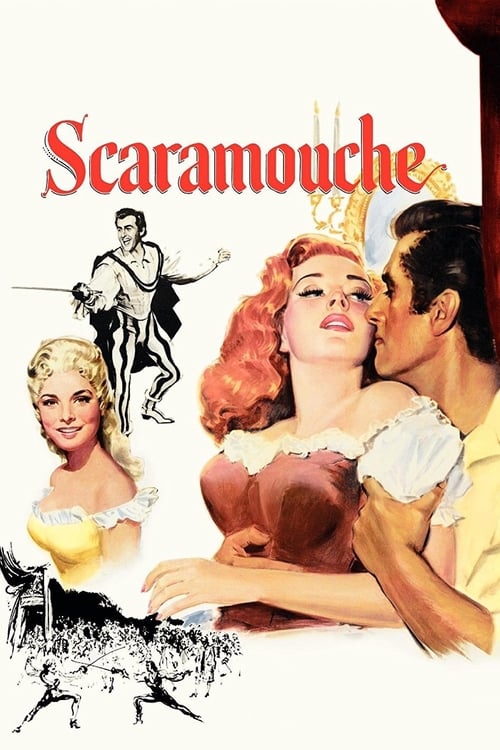
1952
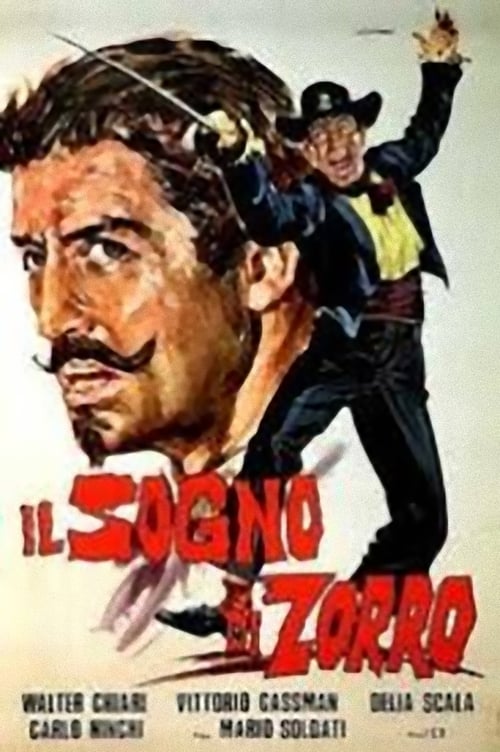
1952

1954
No reviews yet. Be the first to share your thoughts on this movie!
Use the rating form above to leave a star rating and optional review.