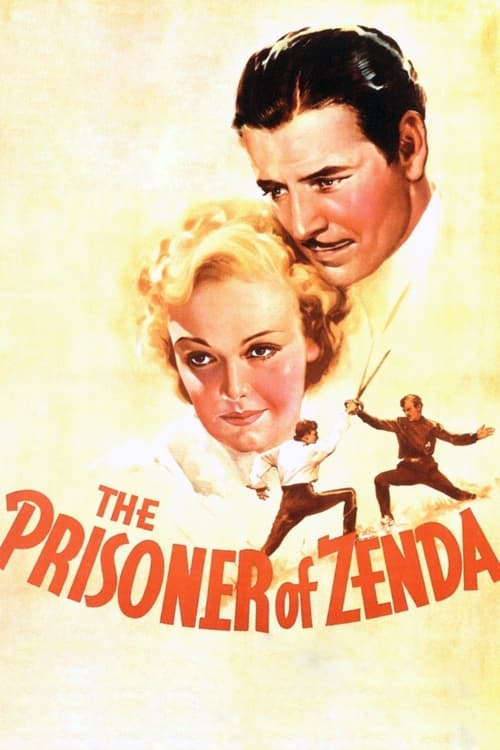
The Prisoner of Zenda
1937
No user ratings available yet
Representation score: 0.4 out of 10
Representation Score
Minimal
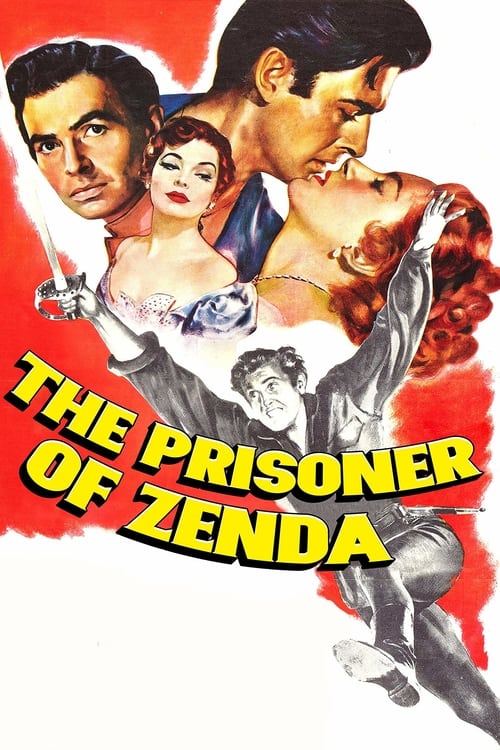
1952
NRDirector
Richard Thorpe
Runtime
100 minutes
Average Rating
No ratings yetNew Showbiz Analysis
The film exemplifies mid-century traditional cinema, emphasizing the preservation of established European social hierarchies. Its narrative structure centers on duty, legitimacy, and the restoration of the status quo. Representation is limited, as the story focuses on a culturally homogenous aristocracy. The film reinforces classical archetypes of masculine leadership and feminine elegance, offering little disruption to conventional social or political norms. Ultimately, the work celebrates traditional authority. It lacks complexity in representing multiple aspects of identity, focusing instead on the successful defense of a legitimate crown against a usurper.
Category Breakdown
The film does not depict any LGBTQ+ themes or identities. The romantic storyline focuses solely on the heterosexual relationship between the protagonist and the female lead.
Princess Flavia mainly serves as a romantic figure and a symbol of stability. While she holds moral influence, the physical heroism and political decision-making are centered around male characters.
The casting is uniform, featuring predominantly white actors. The story revolves around a culturally homogenous aristocracy within the fictional kingdom.
The story upholds Western institutional traditions and monarchical ideals. It emphasizes traditional themes of honor and patriotism to support the current social order.
There are no prominent depictions of physical or neurodivergent disabilities. Such traits are not used as central character elements or plot devices.
Present on Screen
Limited or Absent
Official Synopsis
A kingdom's ascending heir, marked for assassination, switches identities with a lookalike, who takes his place at the coronation. When the real king is kidnapped, his followers try to find him, while the stand-in falls in love with the king's intended bride, the beautiful Princess Flavia.
1937
1964
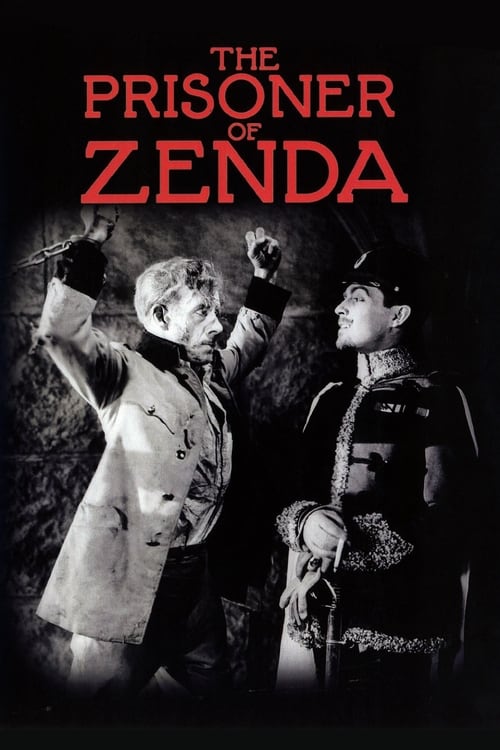
1922
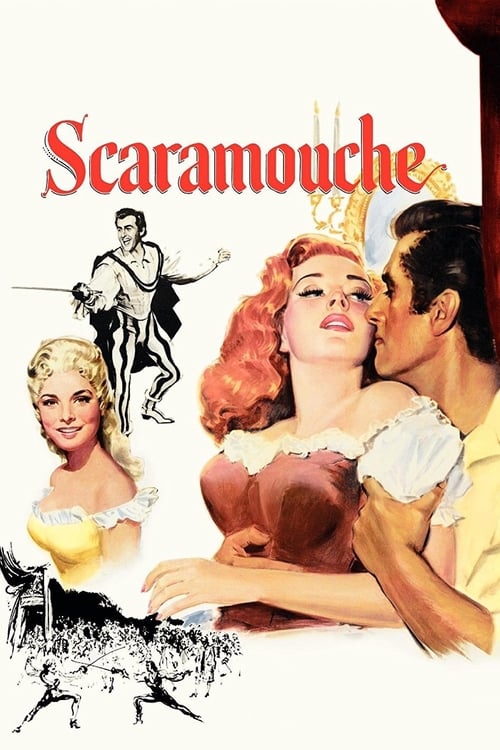
1952

1979
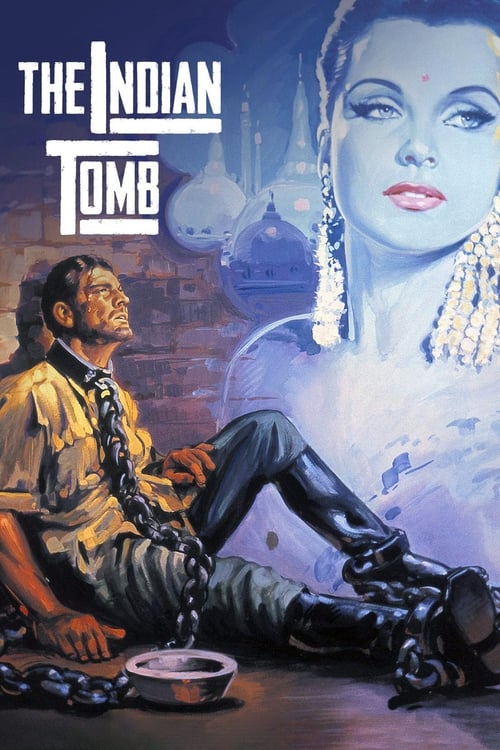
1959
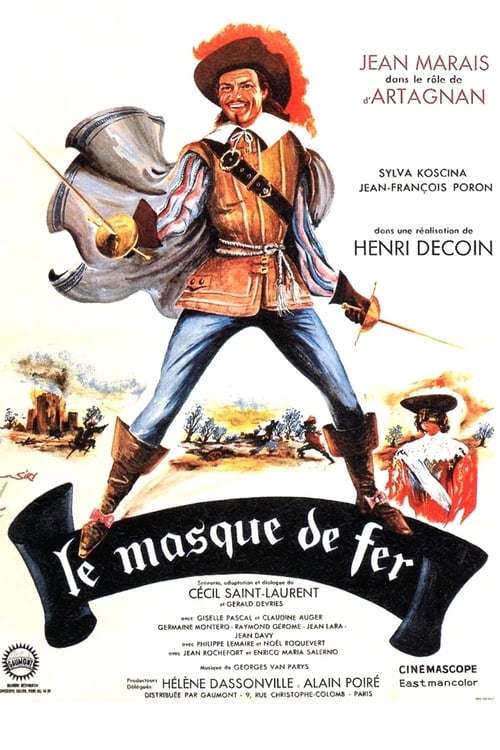
1962
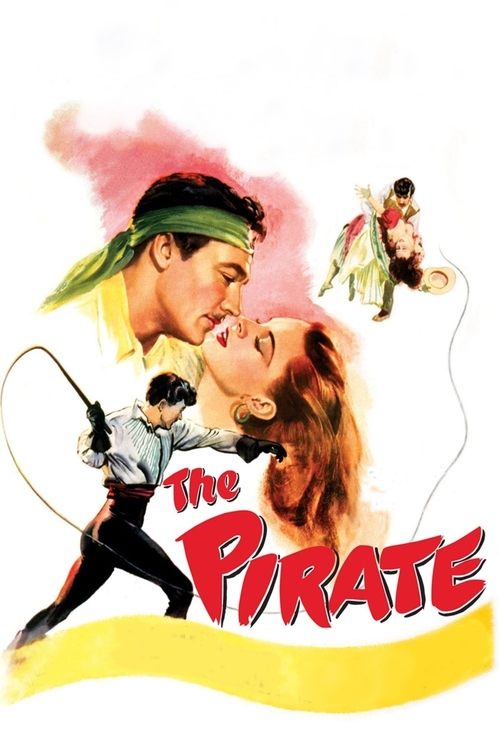
1948
No reviews yet. Be the first to share your thoughts on this movie!
Use the rating form above to leave a star rating and optional review.