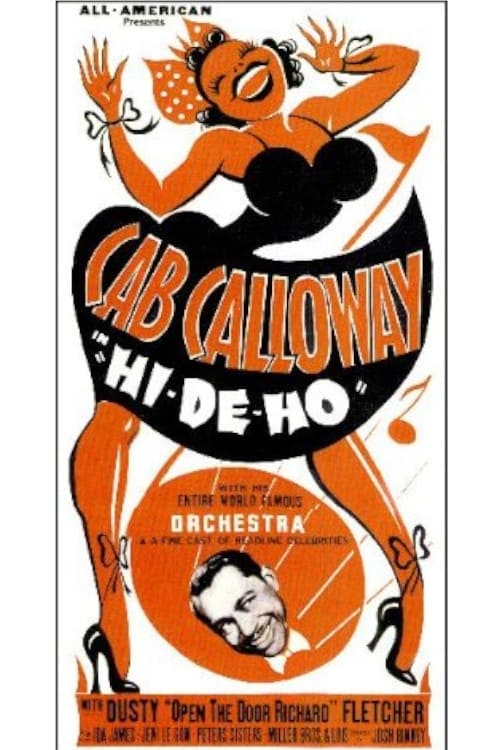
Hi-De-Ho
1937
No user ratings available yet
Diversity score: 2.7 out of 10
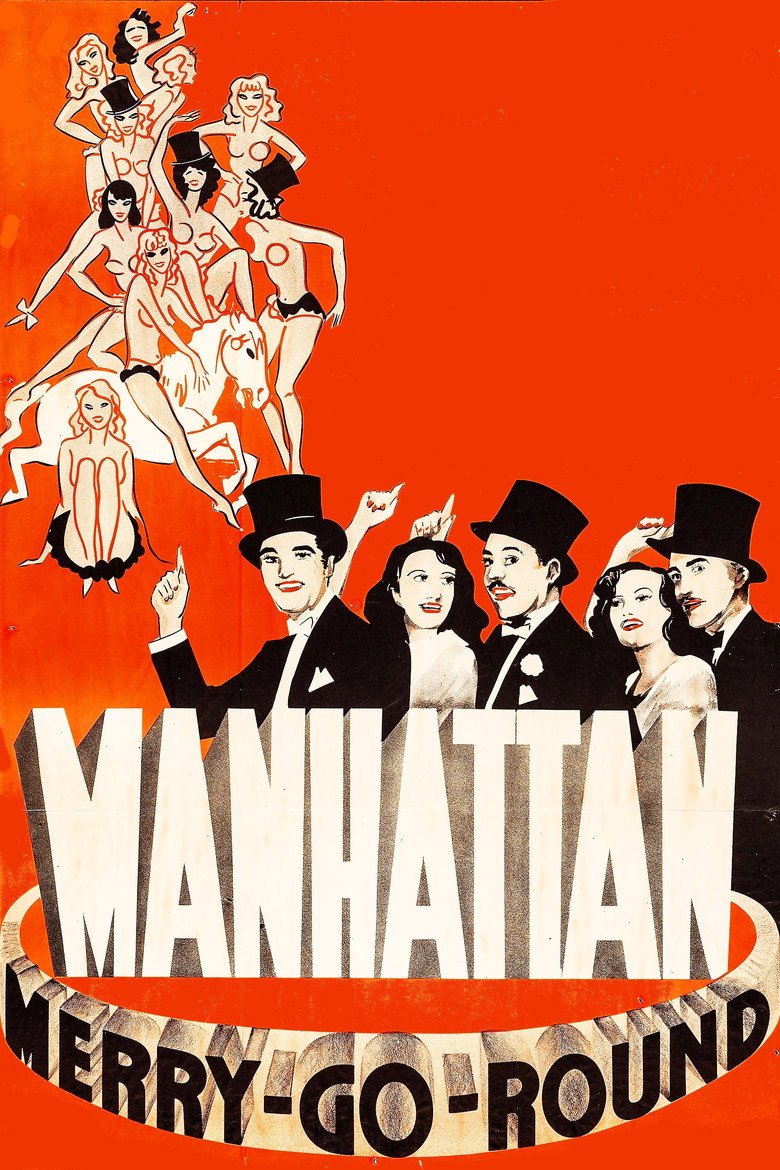
1937
NRDirector
Charles Reisner
Runtime
87 minutes
Average Rating
No ratings yetSynopsis
In this musical comedy, a crooked record producer uses his mob connections to force performers to do their stuff. The trouble really begins when the gangster's strong-arm tactics nearly cause a singer to lose his fiancée. A wide variety of entertainers appear including cowboy crooner Gene Autry, baseball hero Joe DiMaggio, and big band stars Cab Calloway, Ted Lewis, and the Kay Thompson Singers. Songs include "Mamma I Wanna Make Rhythm," "Manhattan Merry-Go-Round," "Heaven?," "I Owe You," and "It's Round-up Time in Reno."
Overall Score
Limited
Category Breakdown
LGBTQ+ Representation
The film operates within a strictly heteronormative framework. The central conflict revolves around preserving a traditional romantic engagement, with no evidence of non-cisnormative identities.
Gender Representation
Female characters largely function within traditional romantic comedy archetypes. While central to the emotional stakes, their agency is often tied to their relationships with the male protagonist.
Racial & Ethnic Diversity
Meaningful visibility is provided through musical cameos, including Cab Calloway. However, these performers act as specialty acts within a larger, white-centric narrative structure.
Religious & Cultural Diversity
The film reinforces traditional Western social structures and moral frameworks. It celebrates urban entertainment and the stability of romantic unions rather than deconstructing social institutions.
Disability Representation
There is no discernible representation of physical or neurodivergent identities. The film focuses on the idealized physical archetypes common to the musical comedy genre.
Strengths
Areas for Improvement
AI Analysis
Manhattan Merry-Go-Round serves as a vibrant showcase for 1930s celebrity culture, utilizing high-profile cameos to create a sense of musical spectacle. Its primary strength is the inclusion of significant Black musical talent, which provides cultural texture often absent in early studio era productions. However, the film remains a product of its time, adhering to rigid social hierarchies. The narrative engine is driven by traditional romantic tropes and standard gendered archetypes, ensuring the story stays within the era's conventional boundaries. While the musical performances offer a window into jazz culture, they are not integrated into the core plot. The film functions more as a celebratory snapshot of entertainment than a work that challenges systemic social structures.
1937
1934
1935
1941
1942
1939
1940
1930
1945
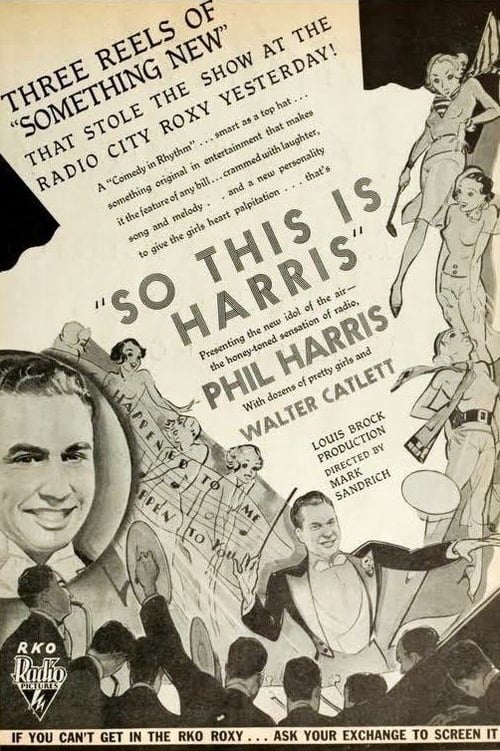
1933
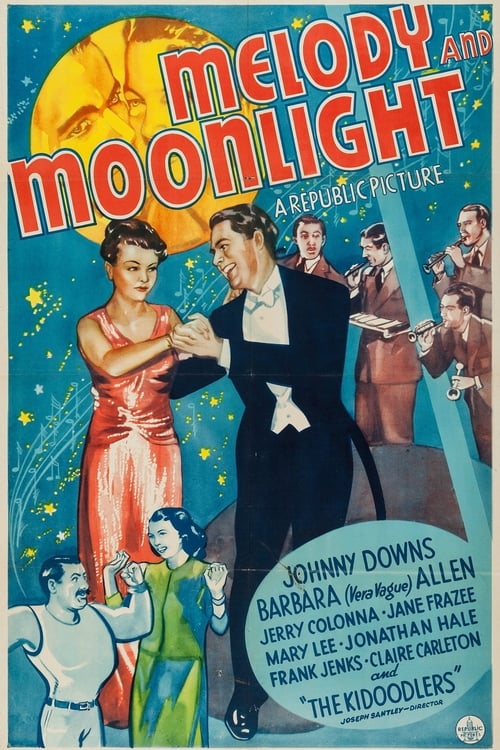
1940
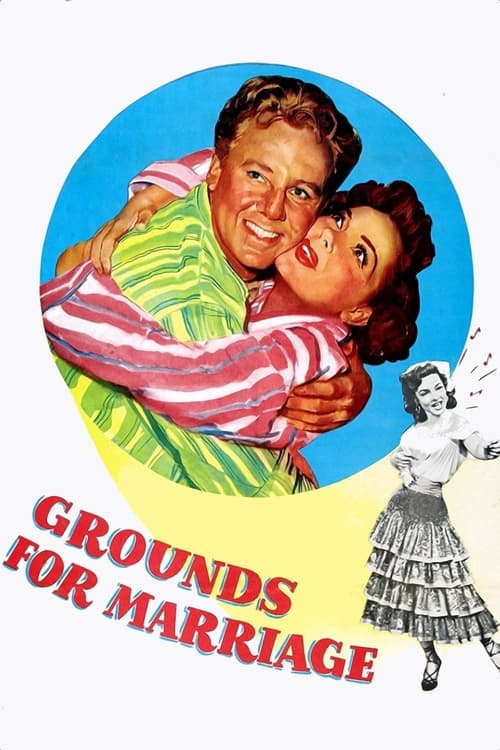
1951
No reviews yet. Be the first to share your thoughts on this movie!
Use the rating form above to leave a star rating and optional review.