Movie-Mania
1937
No user ratings available yet
Representation score: 1.4 out of 10
Representation Score
Minimal
1940
ApprovedDirector
Lew Landers
Runtime
70 minutes
Average Rating
No ratings yetNew Showbiz Analysis
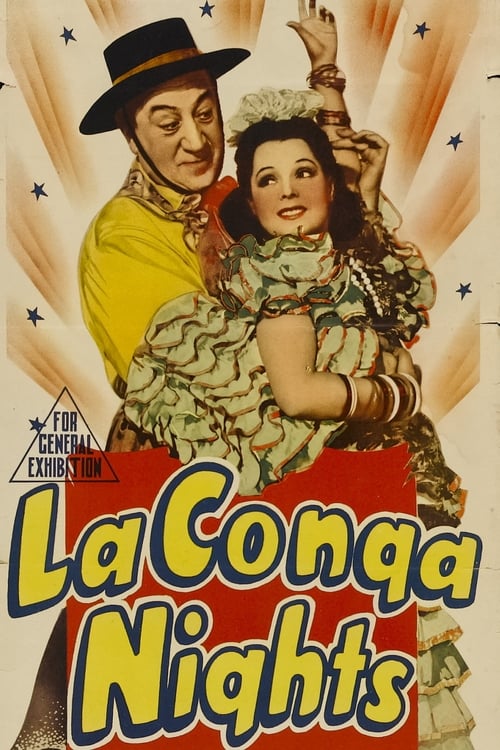
La Conga Nights is a conventional 1940s musical comedy that prioritizes escapism and standard studio clichés. The plot focuses on individual pursuits of wealth and musical ambition, reinforcing the social norms of the Golden Age of Hollywood. While the film provides a platform for women's ability to drive the story through its aspiring singer protagonist, the character remains tied to traditional stereotypes of struggle. The absence of characters who reflect more than one aspect of diversity or systemic critique keeps the narrative within a narrow, period-typical framework. Ultimately, the film serves as a commercial entertainment piece rather than a work of social subversion. It relies on established comedic structures that favor traditional capitalist values and straight-centered standards.
Category Breakdown
The film does not include any representations of LGBTQ+ identities or same-sex relationships. It adheres to the strict straight-centered standards typical of the 1940s era.
The film features a central female protagonist who pursues her musical career. However, her character is portrayed through traditional stereotypes of vulnerability and domestic instability.
The film does not provide specific information about the racial composition of the cast. During this era, casting often favored homogeneity unless the plot specifically highlighted ethnic themes.
The story centers around individual success and the pursuit of the American Dream. It functions as a typical escapist comedy without critiquing Western institutions or secularism.
The film does not mention any characters with visible or invisible disabilities.
Present on Screen
Limited or Absent
Official Synopsis
In this comedy, actor Hugh Herbert plays six different roles. Only one of the roles is a man. The story centers around a dizzy music lover, who has grown rich through real estate deals. Also figuring in the story are a cab driver/performer, and a down-on-her-luck, aspiring singer. They meet when she hails his cab as she skips out on her former boarding house because she cannot pay rent.
1937
1929
1937
1936
1940
1945
1936

1930
No reviews yet. Be the first to share your thoughts on this movie!
Use the rating form above to leave a star rating and optional review.