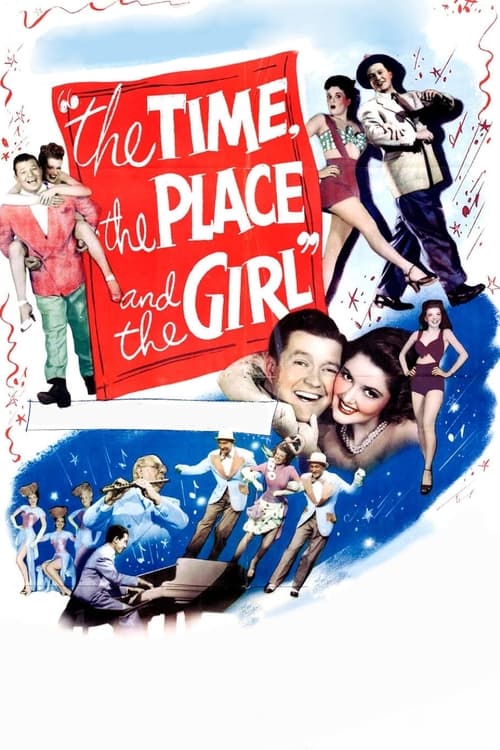
The Time, The Place and The Girl
1946
No user ratings available yet
Representation score: 1.8 out of 10
Representation Score
Minimal
1945
ApprovedDirector
George Seaton
Runtime
104 minutes
Average Rating
No ratings yetNew Showbiz Analysis
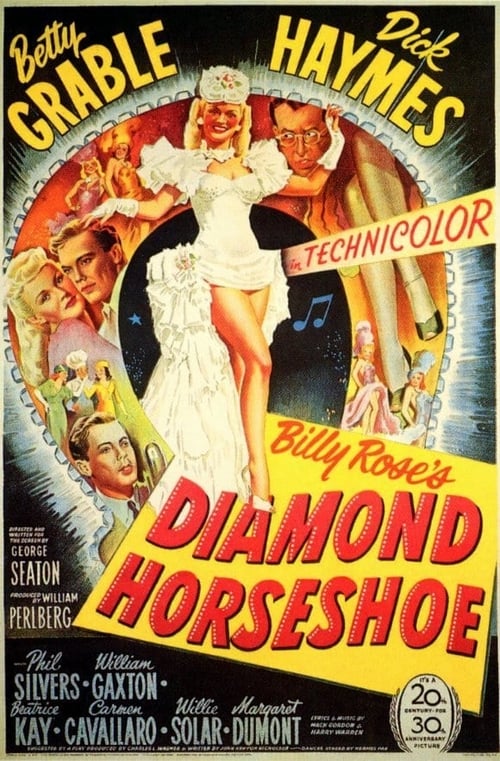
Diamond Horseshoe functions as a traditional musical comedy centered on Ziegfeld-style spectacle and generational conflict. It prioritizes escapism and high-society glamour over any meaningful social critique or deconstruction of hierarchies. The film adheres strictly to the social and narrative conventions of 1945. It relies on standard romantic clichés and conventional career aspirations, offering little in the way of diverse perspectives or identity-driven storytelling. Ultimately, the production serves as a period-typical example of the genre, reinforcing the status quo of its era through its casting and character motivations.
Category Breakdown
The film focuses solely on heterosexual romantic relationships between the main characters. There is no representation of LGBTQ+ identities or stories that challenge the assumption that everyone is straight or cisgender.
Female characters like Bonnie are portrayed through traditional stereotypes of glamour and material desire. The film reinforces the gendered expectations of the 1940s rather than challenging them.
The setting reflects the homogeneous casting standards of mid-century Hollywood. The focus on high-society nightclubs suggests a lack of racial or ethnic diversity among the cast.
The film emphasizes Western entertainment values, focusing on glamour and professional success. It upholds the commercial and social hierarchies of the era's nightclub circuit.
The plot does not feature characters navigating physical, sensory, or neurodivergent experiences. There is no representation of disabilities in the narrative.
Present on Screen
Limited or Absent
Official Synopsis
Joe Davis Sr., headliner at a big nightclub, is visited by medical student son Joe Jr., who to Dad's chagrin wants to be a crooner, and soon comes between Dad and his girlfriend Claire. So glamorous dancer Bonnie is enlisted to distract Junior. Which does Bonnie want more, the fur coat or true love? Plot is a framework for numerous Ziegfeld style stage productions.
1946
1954
1942
1941

1945
1933
1946
1942
No reviews yet. Be the first to share your thoughts on this movie!
Use the rating form above to leave a star rating and optional review.