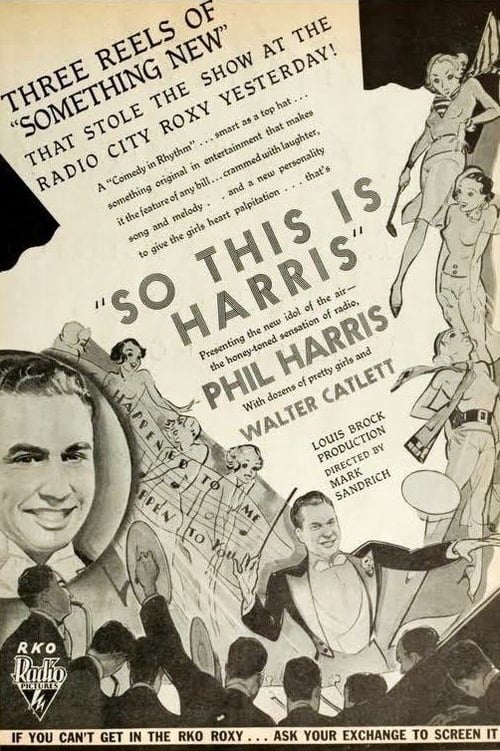
So This Is Harris!
1933
No user ratings available yet
Representation score: 0.4 out of 10
Representation Score
Minimal
1937
ApprovedDirector
Roy Mack
Runtime
11 minutes
Average Rating
No ratings yetNew Showbiz Analysis
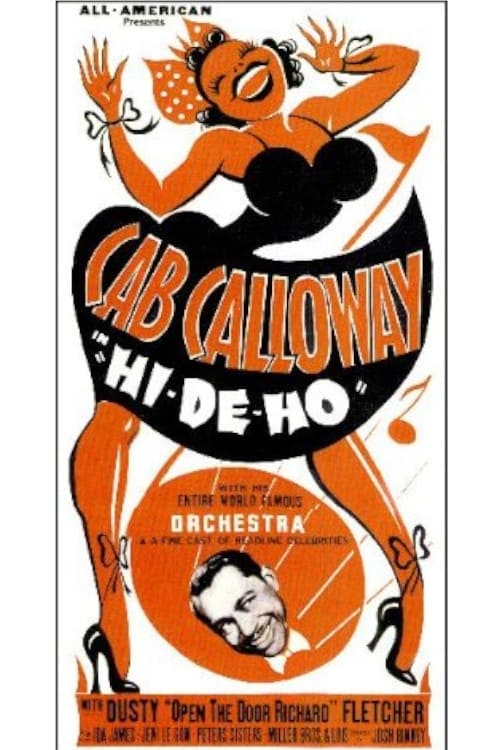
Hi-De-Ho is a biographical musical film focusing on the early aspirations of Cab Calloway. It follows a straightforward, traditional journey from maternal support to musical success through mystical elements. The film offers meaningful representation by featuring a significant Black musical figure. However, it operates within the standard cinematic conventions of 1937. Structural elements rely on conventional gender roles and religious authority, making it more of a celebration of musical talent than a critique of societal structures.
Category Breakdown
The film does not include any characters with non-traditional gender identities. It focuses on traditional family and musical themes without addressing LGBTQ+ issues.
The characters adhere to traditional gender roles, such as the caring mother and the authoritative male deacon. The female tea room owner acts as a plot catalyst within conventional gender roles.
The film highlights Cab Calloway, a significant African American musical icon. While showcasing his talent, the narrative adheres to the racial norms of the time.
The story incorporates typical Western elements, including religious figures and mystical tea leaf reading. It follows a conventional talent-discovery storyline without challenging established norms.
The film does not feature any characters dealing with physical, neurodivergent, or mental health conditions.
Present on Screen
Limited or Absent
Official Synopsis
Young Cab Calloway's mother is concerned, because Cab spends his days listening to the radio, pretending to lead a miniature orchestra. A deacon passing by the apartment hears him singing and advises him go to his wife's gypsy tea room. As she reads the tea leaves, she sees situations which lead to Cab and his orchestra performing musical numbers.
1933
1936
1942
1943
1940
1938
1930
1936
No reviews yet. Be the first to share your thoughts on this movie!
Use the rating form above to leave a star rating and optional review.