Spreadin' the Jam
1945
No user ratings available yet
Representation score: 3.7 out of 10
Representation Score
Minimal
1942
PassedDirector
Charles Lamont
Runtime
72 minutes
Average Rating
No ratings yetNew Showbiz Analysis
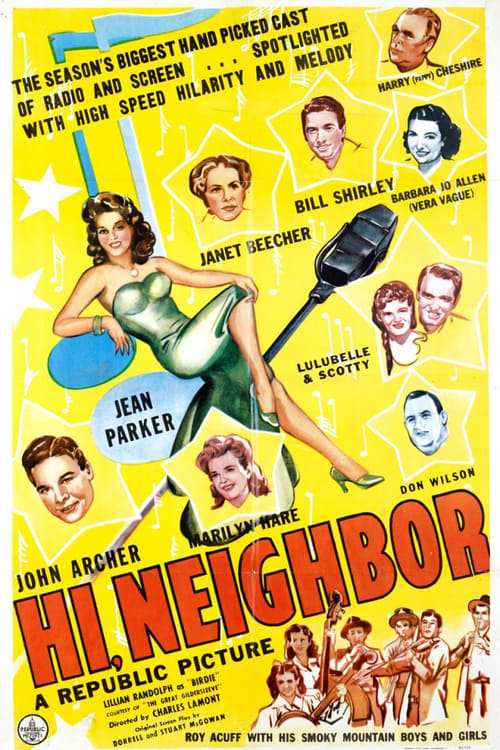
Hi, Neighbor is a quintessential piece of 1940s escapist musical comedy. The plot centers on saving a struggling college through the power of celebrity and mass media, reinforcing existing institutional norms rather than questioning them. The film operates entirely within the traditional structures of the studio era, lacking the intentionality to disrupt social expectations about identity, race, or gender. Instead, it opts for a restorative narrative centered on mainstream entertainment. Ultimately, the work reflects the priorities of its time, emphasizing social stability and conventional hierarchies over diverse or subversive representation.
Category Breakdown
The film does not include any characters with non-straight or non-cisgender identities. It follows the social norms of 1942.
The story likely depends on traditional gender roles typical of the era. Leadership roles seem focused on established hierarchies rather than challenging them.
Casting likely mirrors the homogeneous demographics of the 1940s. There is no indication of characters reflecting multiple aspects of diversity or having varied backgrounds.
The story celebrates mainstream Western entertainment and capital-driven solutions. It prioritizes social cohesion and institutional preservation over alternative cultural perspectives.
There is no evidence of characters with disabilities playing a significant role in driving the story. No such characters appear central to the narrative.
Present on Screen
Limited or Absent
Official Synopsis
A financially strapped college is transformed into a summer holiday resort with the help of music and radio stars.
1945
1941
1939
1944
1937
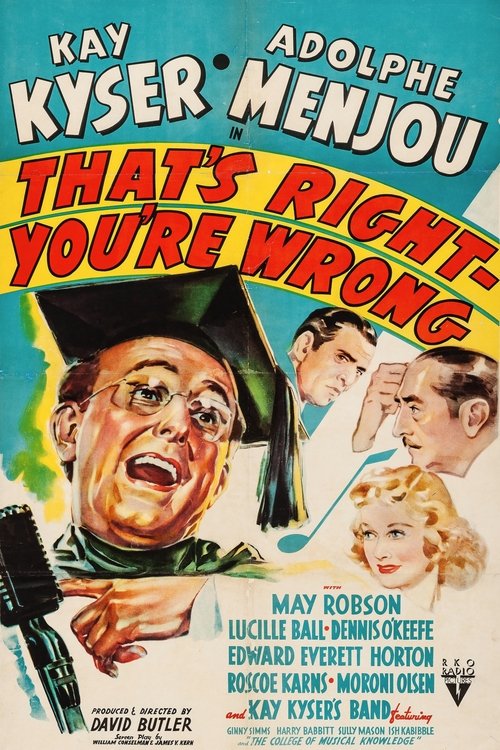
1939
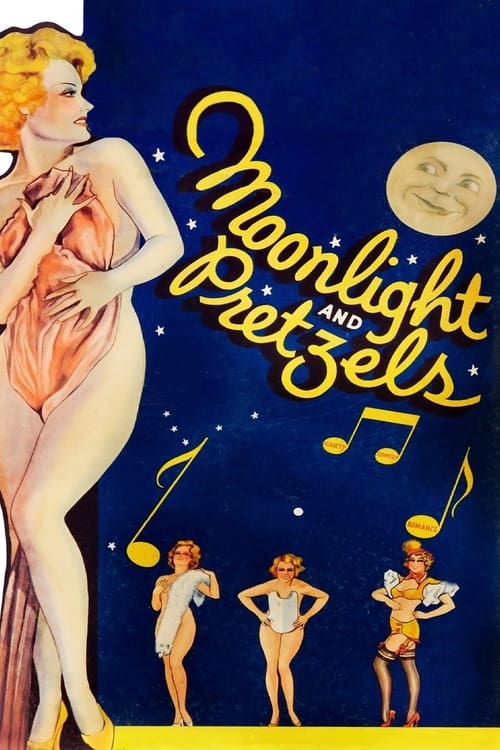
1933
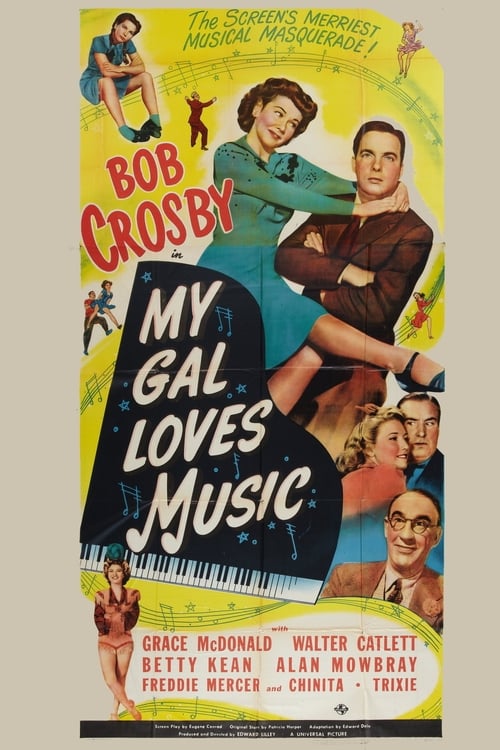
1944
No reviews yet. Be the first to share your thoughts on this movie!
Use the rating form above to leave a star rating and optional review.