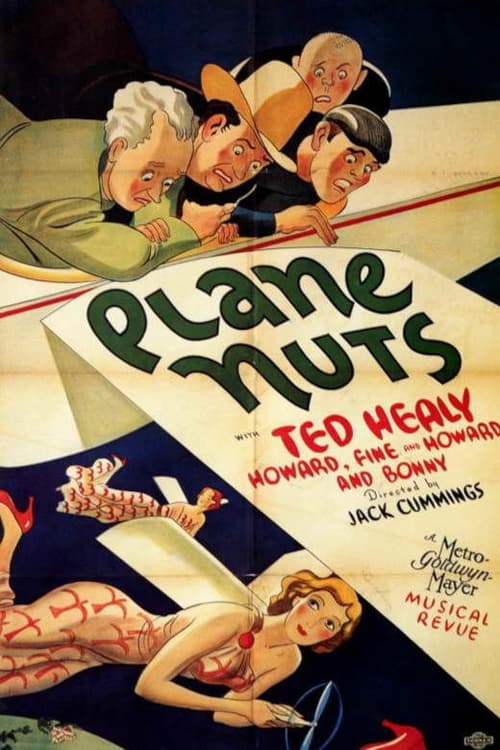
Plane Nuts
1933
No user ratings available yet
Representation score: 1.4 out of 10
Representation Score
Minimal
1930
NRDirector
A. Edward Sutherland, Otto Brower, Dorothy Arzner, Edmund Goulding, Rowland V. Lee, Frank Tuttle, Ernst Lubitsch, Edwin H. Knopf, Lothar Mendes, Victor Heerman, Victor Schertzinger
Runtime
77 minutes
Average Rating
No ratings yetNew Showbiz Analysis
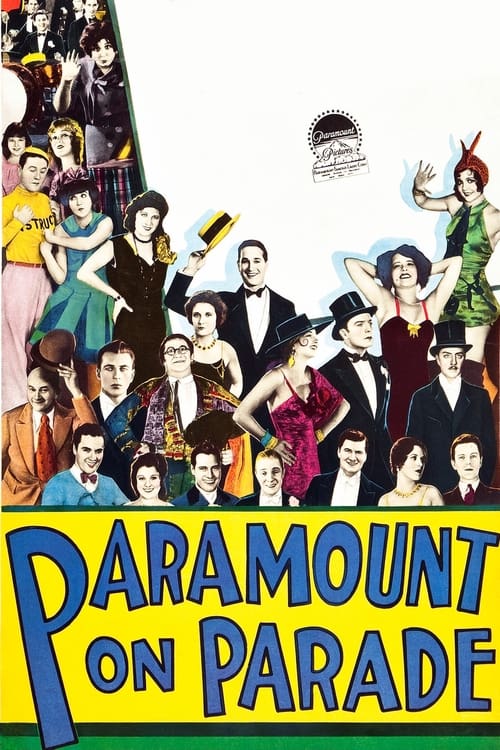
Paramount on Parade serves as a showcase of studio talent rather than a coherent narrative. Its variety format emphasizes the era's industrial and social norms, highlighting the prestige of the studio system. The film reinforces traditional hierarchies through its casting and performance styles. While featuring a large ensemble, the representation often relies on superficial ethnic stereotypes and conventional gender roles that prioritize spectacle. Ultimately, the film acts as a historical document of 1930s Hollywood. It minimally disrupts prevailing cultural frameworks, favoring idealized physical abilities and established social structures.
Category Breakdown
The film follows traditional romantic storylines typical of the early sound era. There are no representations of LGBTQ+ identities or same-sex relationships, focusing instead on heterosexual relationships.
Women have substantial screen time but are mostly shown as decorative figures rather than drivers of the plot. Men hold the primary musical authority, while women serve as visual elements.
The film features a diverse cast but uses ethnic stereotypes and caricatures common in 1930s cinema. Representation is limited to surface-level diversity without deeper character development.
The film celebrates the Hollywood studio system and traditional American values. It upholds the status quo through wholesome musical entertainment without challenging established norms.
There is no depiction of physical or cognitive disabilities. Performers are portrayed as physically fit and able to perform demanding musical and dance routines.
Present on Screen
Limited or Absent
Official Synopsis
This 1930 film, a collection of songs and sketches showcasing Paramount Studios' contract stars, credits 11 directors
1933
1937

1945
1939
1936
1947
1930
1934
No reviews yet. Be the first to share your thoughts on this movie!
Use the rating form above to leave a star rating and optional review.