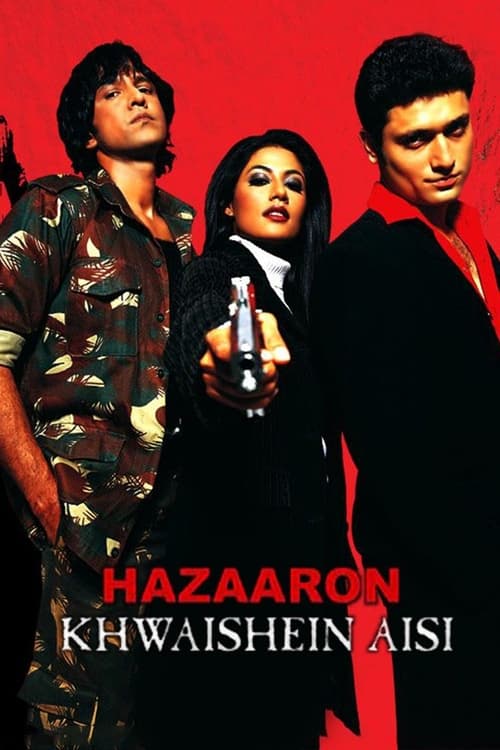
Hazaaron Khwaishein Aisi
2005
No user ratings available yet
Representation score: 6.4 out of 10

Representation Score
Fair
1995
Director
Adoor Gopalakrishnan
Runtime
107 minutes
Average Rating
No ratings yetNew Showbiz Analysis
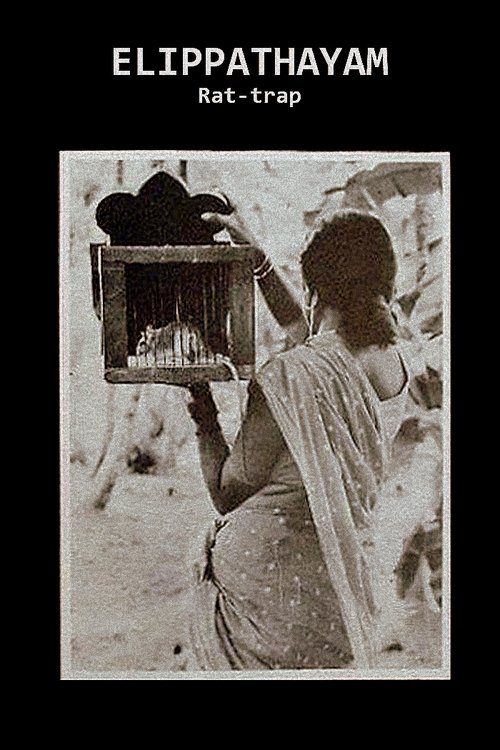
Adoor Gopalakrishnan creates a sophisticated character study that emphasizes psychological realism over explicit identity politics. The film finds its progressive value in avoiding a sanitized portrayal of the Indian middle class. By examining how larger political shifts affect personal relationships, the film offers a nuanced exploration of post-Independence social change. While it does not explicitly represent LGBTQ+ or disabled characters, its strength lies in its refusal to present an idealized social stability.
Category Breakdown
The film focuses on a traditional domestic setting and does not include any queer narratives or LGBTQ+ characters.
The narrative challenges traditional gender roles by exploring the emotional shifts and power dynamics within a marriage.
The film provides a highly authentic depiction by centering a Malayali cast, rejecting a Western-centric viewpoint to offer a localized perspective on Indian identity.
The story examines the impact of political changes in India since 1937, critiquing the lingering effects of colonial structures through individual struggles.
There is no evidence of the portrayal of physical or neurodivergent disabilities in the narrative.
Present on Screen
Limited or Absent
Official Synopsis
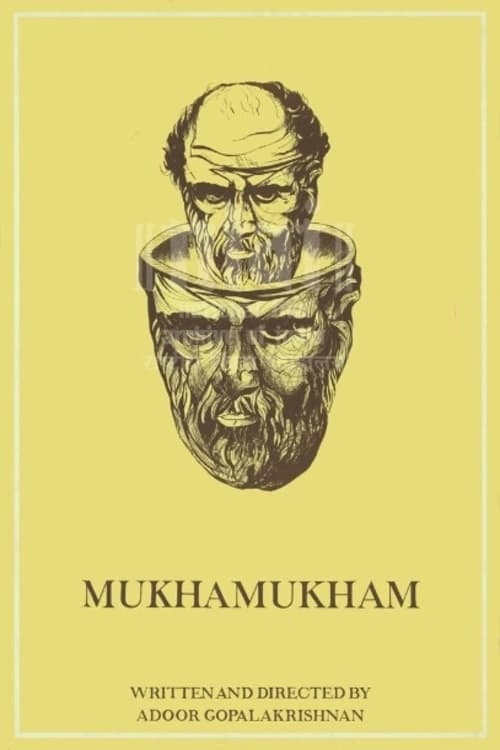
This intimately-constructed drama traces the consequences of the tumultuous political and social changes that swept through India in the years since pre-Independence 1937.
2005

1964
1982
1989

1962

2005
1996
1984
No reviews yet. Be the first to share your thoughts on this movie!
Use the rating form above to leave a star rating and optional review.